

UK can’t assume wartime ship requisition will guarantee access to sealift, new report warns


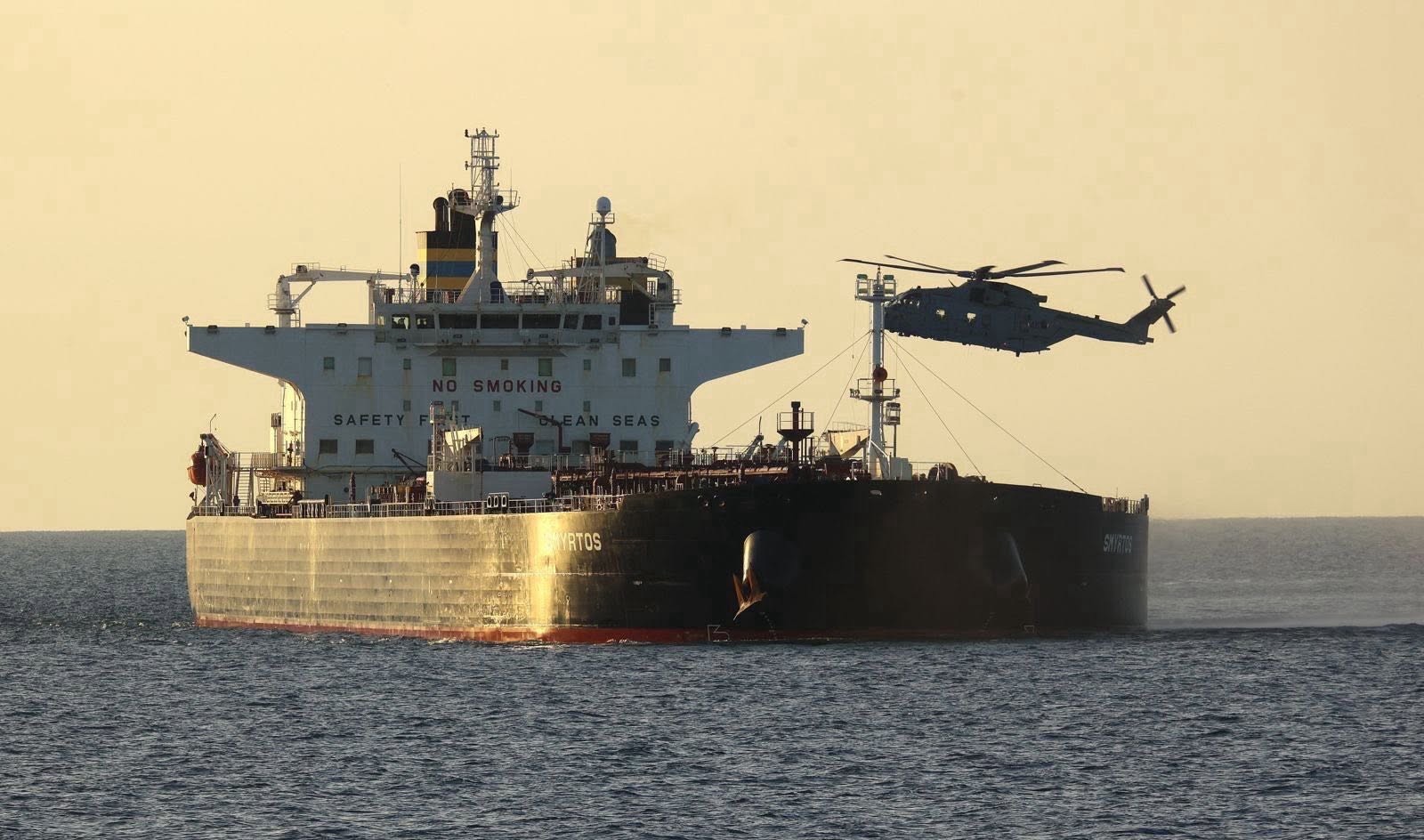
A shrinking merchant fleet and declining numbers of qualified seafarers are posing new challenges for UK wartime logistics, according to a new report from the Council on Geostrategy.
The study warns that NATO’s ability to reinforce and sustain forces effectively relies on access to ships, ports, crew, and surrounding support networks.
However, it finds that across the NATO alliance there has been an overall fall in sealift capacity through a reduced availability of militarily useful ships and seafarers.
For the UK it notes, “The number of vessels fitting this category almost halved between 2009 and 2023.”
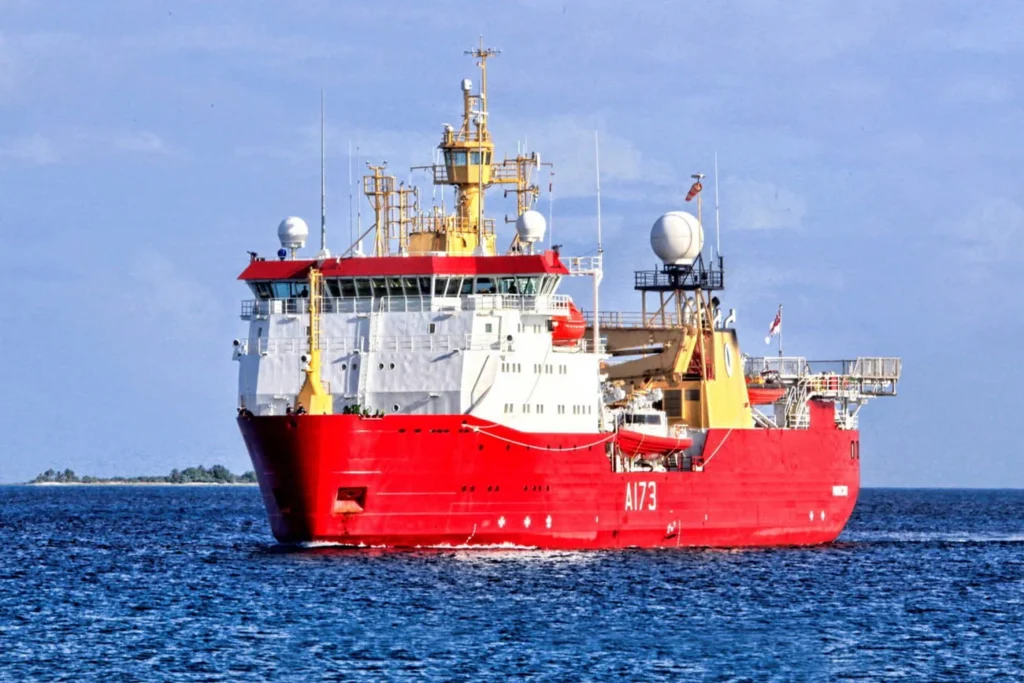
The numbers cited were from the UK Defence Journal, which says the number of militarily useful British vessels has fallen from 841 in 2009 to 495 in 2023.
This has seemingly left Britain with constrained options when it comes to requisitioning commercial vessels. The UK has a dedicated fleet of four roll-on, roll-off ships.
Internationalisation of shipping complicates requisitioning
The UK is able to compel private ship owners to provide their vessels for miltiary use under the Ships Taken Up From Trade system (STUFT).
The UK may be able to legally requisition or utilise vessels under STUFT, but modern shipping has been internationalised by design.
According to the report, this means that while the UK may be able to requisition vessels, they could “still end up without crew, necessary competence, or the operational organisation supporting them.”
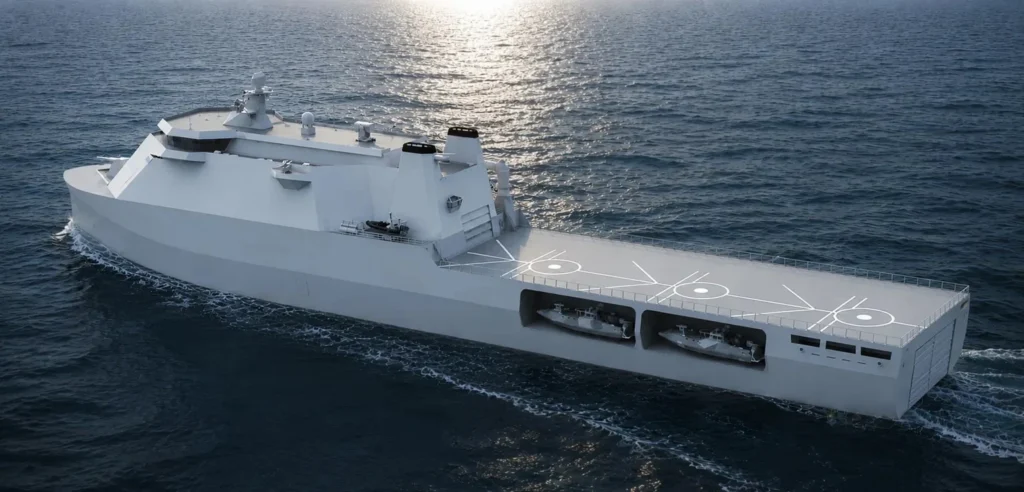
The Council on Geostrategy explains that this could potentially include “the need for emergency refits to enable handling military cargo or taking onboard defences for contested environments.”
According to the report, across the European Union, only 38% of seafarers are EU nationals. This poses complications related to nationality restrictions, security requirements, and the willingness of crews to sail in contested waters for the UK.
The UK has used STUFT before but needs to act before a crisis
STUFT was extensively used to support the Royal Navy during the 1982 Falklands War. During that conflict, 45 commercial vessels were chartered or requisitioned to augment government-controlled shipping.
The UK Defence Journal writes, “More than 60 merchant vessels were also required to move military equipment at the beginning of Operation TELIC in 2003.”
The UK is extremely dependent on shipping, not only to project power, but also for trade. Some 95% of UK trade is transported by sea, and the country is famously dependent on keeping its shipping lanes open.
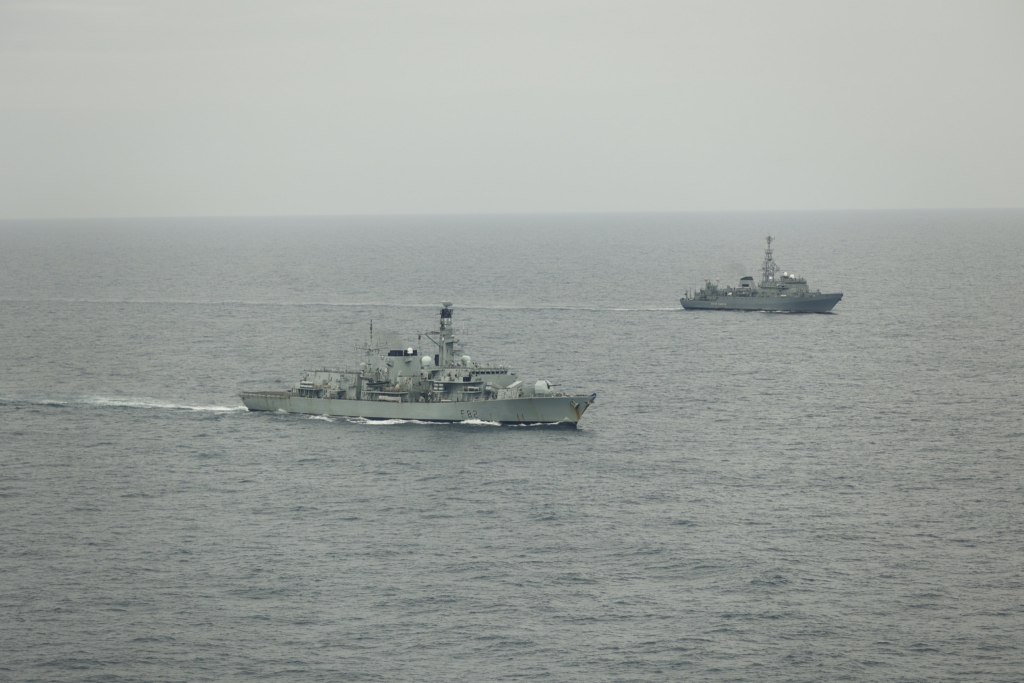
The authors of the report, William Freer and Charlotte Kleberg, argue that “STUFT, while a useful tool, cannot guarantee practical access.”
They say that from a national preparedness and resilience perspective, “pre-negotiated access through framework contracts and long-term agreements with shipping companies is more effective.”
They warns that in the absence of such agreements established in peacetime, ships may be unavailable in a crisis due to competitive pricing, sanctions, or insurance withdrawal. The authors cautions, “Assumed capacity disappears quickly in such scenarios.”
Sign up for our newsletter and get our latest content in your inbox.
Similar Reads



Sign up for our newsletter. Select all sectors relevant to you.
Related