

Airbus turns former A380 wing factory into A321 production line


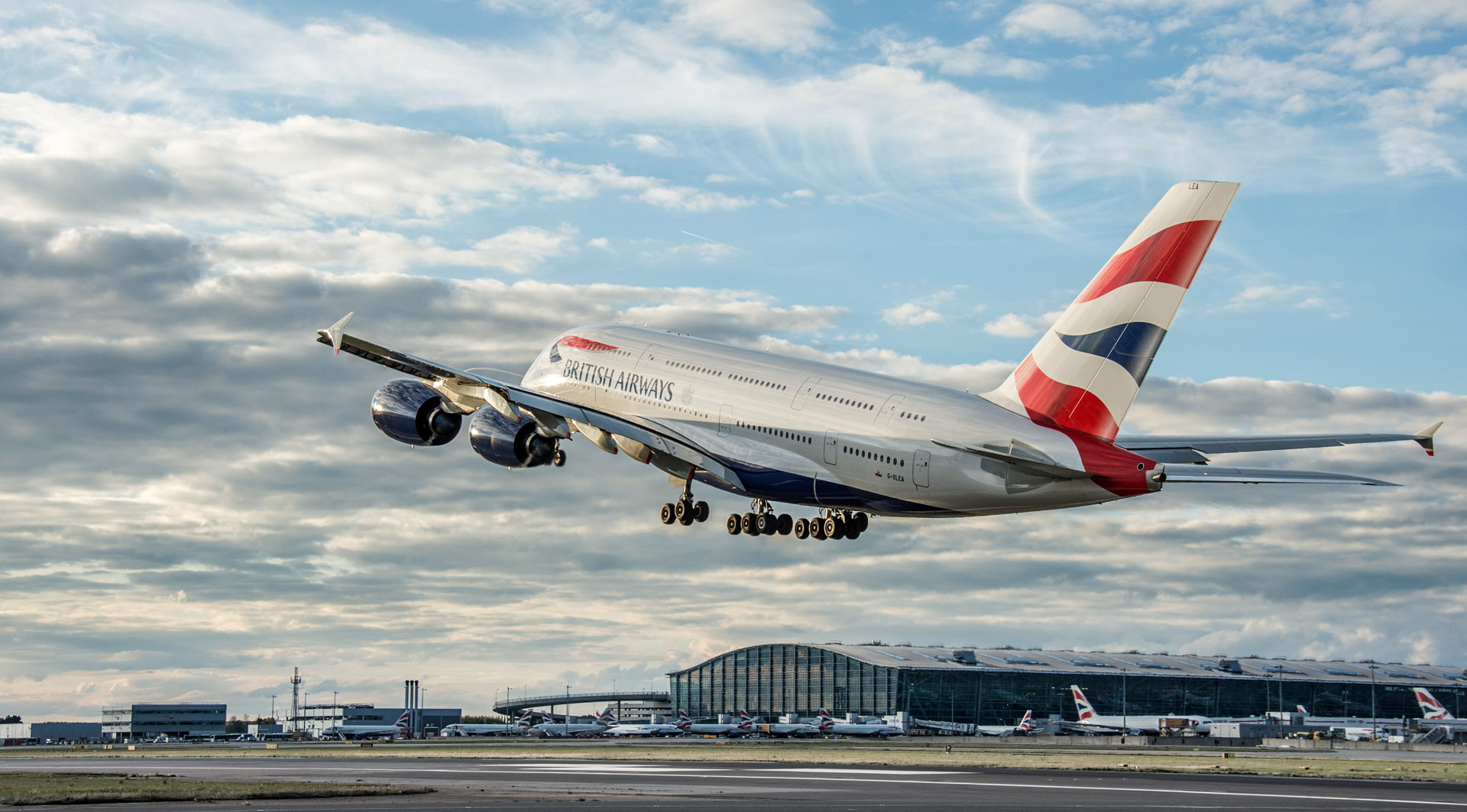
Airbus is giving the factory once built to produce wings for the world’s largest passenger aircraft a new role at the centre of its single-aisle production ramp-up.
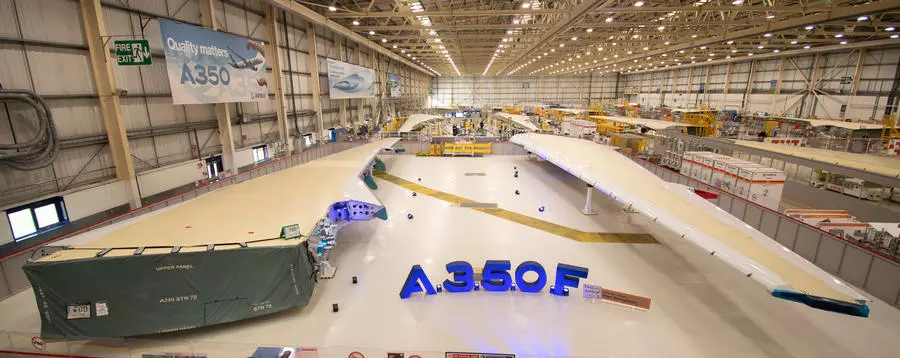
The manufacturer is investing £150 million to convert the former Airbus A380 wing facility at Broughton, North Wales, into a production line dedicated to the A321, its best-selling single-aisle model.
According to Aero.uk, the project will add six wing production jigs, an equipping line and a paint shop. All six jigs are expected to be operational by the end of 2026, with the first wing already in production.
The conversion repurposes a building designed more than two decades ago around an aircraft at the opposite end of the commercial aviation market.
From A380 superjumbo to A321neo
Airbus opened Broughton’s West Factory in 2003 specifically to support A380 wing production.
The £350 million facility covers 83,500 square metres and measures more than 400 metres long and 200 metres wide. At the factory’s opening, Airbus said its floor area was equivalent to 12 football pitches. At peak production, it was designed to employ around 1,200 people to assemble and equip the A380’s enormous wings.
The building became available after Airbus ended A380 production. It has been used primarily for warehousing since 2020. Now, the infrastructure created for the superjumbo will support an aircraft that has become central to Airbus’s commercial strategy.
Airbus had 7,577 A320-family aircraft in its backlog at the end of August, including 5,691 A321neos. The larger A321 accounts for about three-quarters of the current single-aisle backlog, according to Airbus’s latest orders and deliveries data.
Airbus is targeting production of 75 A320-family aircraft per month in 2027. The manufacturer has been adding capacity across its final assembly network, including a new line in Toulouse, alongside facilities in Hamburg, Mobile and Tianjin.
Broughton has to increase wing output alongside the final assembly network.
“The expansion is a significant boost for the UK aerospace industry capability,” Airbus said, according to Aero.uk’s report on the Broughton expansion.
Broughton prepares for its busiest period
The investment will also expand employment at one of the UK’s most important aerospace manufacturing sites.
Around 480 new jobs will be created at Broughton in 2026, including about 250 associated with the refurbished factory.
Airbus Head of Wing Jérôme Blandin described the conversion as “a fundamental part, the finishing touch” of the company’s plans to increase overall aircraft production.
“This is the busiest Broughton will ever have been. We have been challenged to deliver more and faster,” Blandin told The Times.
The investment also reinforces the UK’s longstanding role in Airbus wing design and production. Airbus designs, tests and manufactures wings and other major structures at sites including Filton and Broughton. Its UK operations support around 12,000 direct jobs, according to Airbus’s UK operations overview.
Airbus ramp-up could create opportunities for UK SMEs
Increasing production towards 75 A320-family aircraft per month means suppliers must increase output alongside Airbus. That creates potential opportunities for UK SMEs supplying manufacturing equipment, tooling, machining, automation, inspection and metrology, engineering services and other aerospace products and services.
Airbus’s existing UK supply chain is significant in scale. In evidence submitted to Parliament in 2026, Airbus said it spent £4.5 billion with 1,900 UK suppliers during 2025 and that around 40% of those suppliers were SMEs.
Wales already has a substantial aerospace manufacturing base around Airbus. In evidence submitted to the Senedd, Airbus said its Welsh operations included more than 48 SMEs in its supply chain.
The production increase may not immediately result in contracts for smaller British companies. Airbus procurement is international, and suppliers must meet demanding aerospace requirements on quality, certification, cost and production reliability.
However, increasing output can expand demand across the supply chain. Airbus and its major suppliers may require additional capacity or technologies to remove manufacturing bottlenecks.
Supply-chain constraints have repeatedly complicated Airbus’s attempts to increase aircraft output. The Welsh Government has previously highlighted supply-chain pressures affecting Airbus production.
For SMEs able to improve manufacturing speed, automation or supply-chain resilience, that pressure can create opportunities.
Welsh manufacturers positioned close to the ramp-up
Infrastructure around Broughton is also intended to help smaller manufacturers develop and industrialise new technologies.
The £20 million AMRC Cymru research centre at Broughton has worked with more than 100 Welsh businesses since opening, including programmes designed to increase manufacturing productivity and reduce energy consumption, the Welsh Government says.
Welsh companies are also being encouraged to engage directly with the Airbus supply chain. The Aerospace Wales Forum has promoted opportunities for Welsh aerospace companies to meet Airbus and other industry decision-makers through supplier networking events in Toulouse.
Airbus develops new wing technologies in the UK
Airbus is developing new wing technologies in the UK through its Wing of Tomorrow programme. The company has built three 17-metre demonstrator wings to evaluate more than 100 manufacturing and assembly technologies and is preparing flight testing using an A321neo.
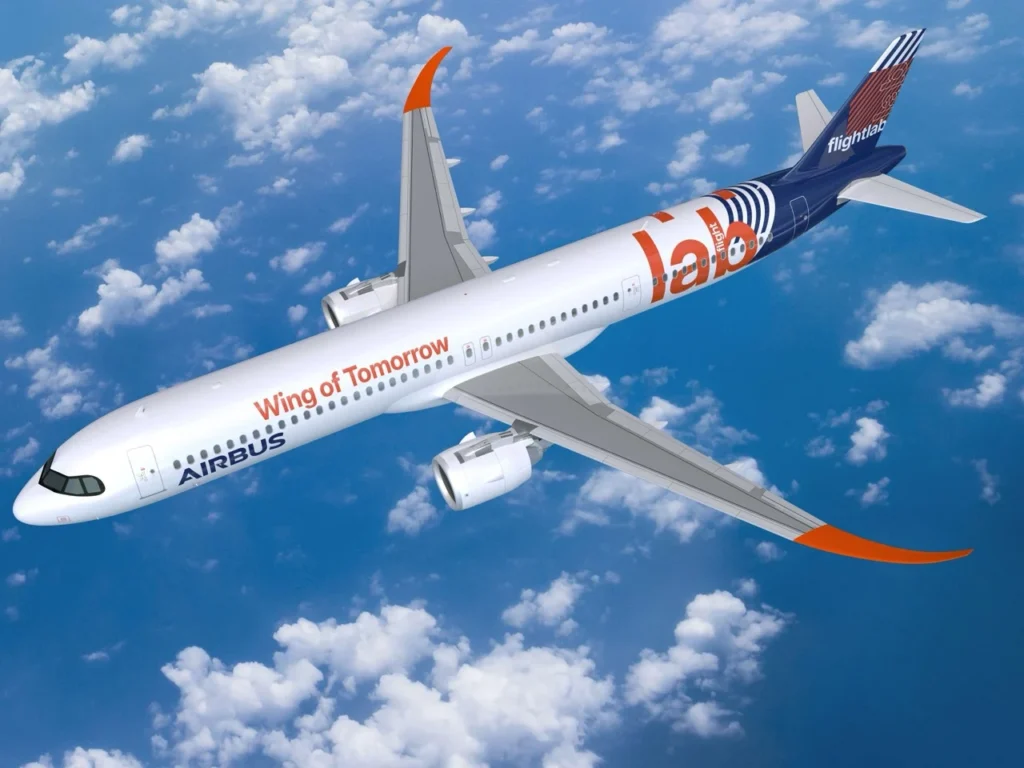
The programme has received £227 million through the UK’s Aerospace Technology Institute programme since 2014, according to Airbus’s Wing of Tomorrow programme update.
That combination of research, an established supplier ecosystem and rising production gives UK aerospace companies opportunities to help Airbus build A321 wings faster, while developing the technologies that could determine how the next generation of wings is manufactured.
Now in Broughton, a factory built for an era when Airbus expected the four-engine A380 to reshape long-haul aviation is being repurposed for the A321. This smaller, more flexible aircraft has become one of the manufacturer’s biggest commercial successes.
Sign up for our newsletter and get our latest content in your inbox.
Similar Reads