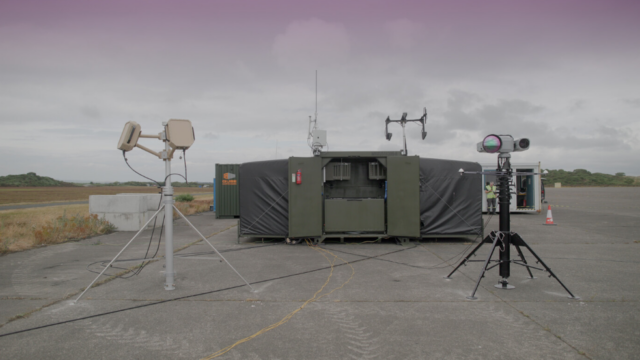


Royal Navy tests autonomous systems against threats to critical underwater infrastructure


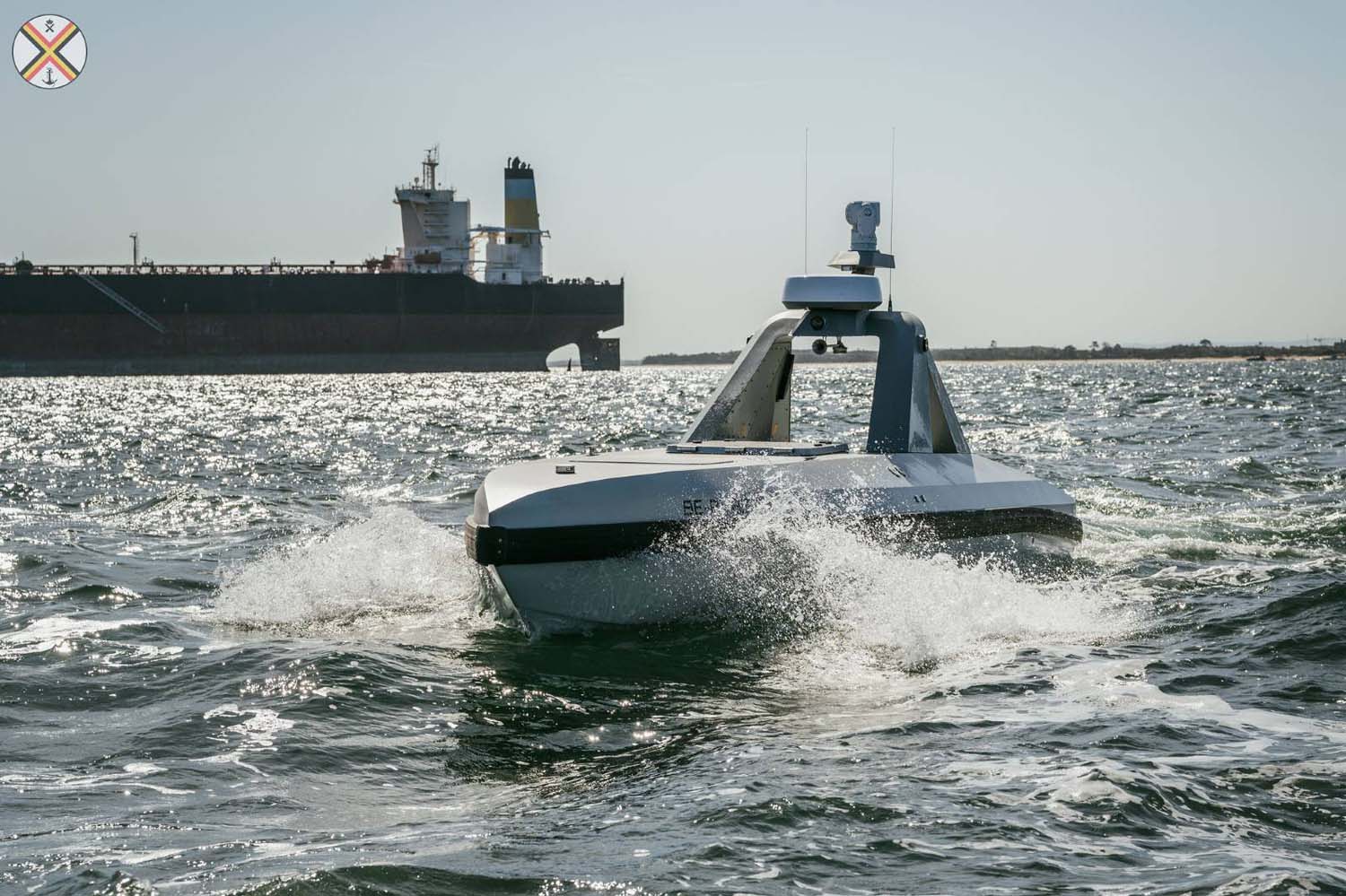
The Royal Navy has worked with industry experts and NATO allies to test a range of innovative uncrewed and autonomous technology during Exercise REPMUS. The service said its ability to locate, identify, and deal with underwater threats using autonomous systems has been “thoroughly tested” by the exercise.
Exercise REPMUS (Robotic Experimentation and Prototyping with Maritime Unmanned Systems) is one of the world’s largest annual international maritime drone and uncrewed vehicle exercise and is held off the coast of Portugal, hosted by the Portuguese Navy.
For the Royal Navy, this year’s exercise focused on anti-submarine warfare (ASW), with it acting as the lead for the operational scenarios and trials.
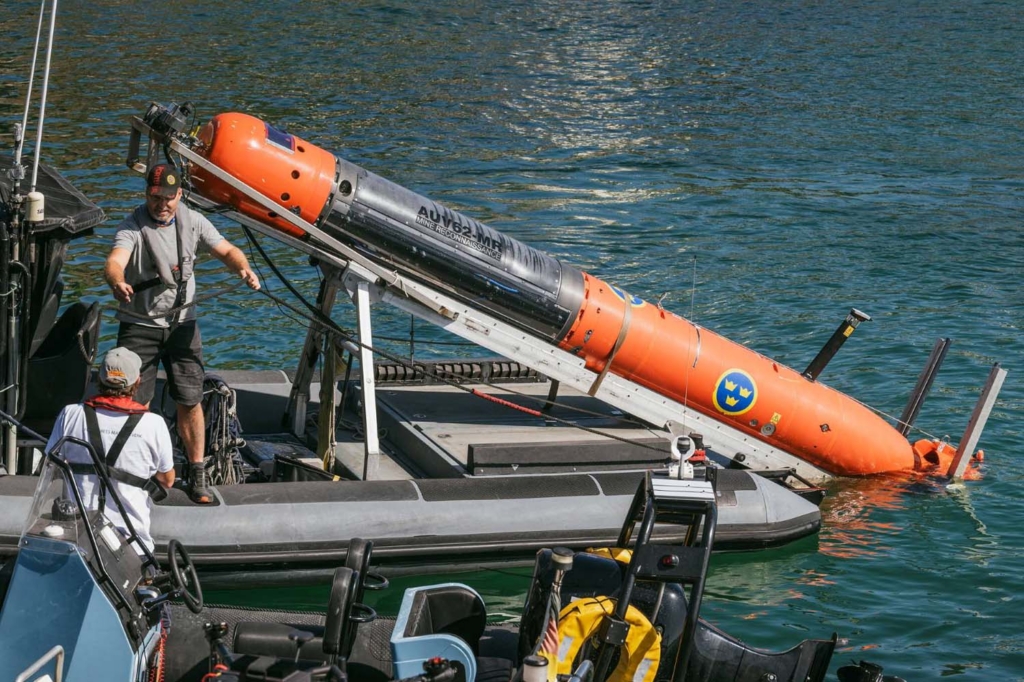
The Royal Navy contributed around 200 people to the exercise, including its sailors and industry representatives.
In a statement, the Royal Navy said they looked to “develop their ASW capabilities and their ability to conduct surveillance of underwater infrastructure.”
Opportunity for RN to field emerging capabilities
The Royal Navy is in the process of transitioning to a hybrid navy, and the exercises allowed it to field its emerging uncrewed and autonomous capabilities. It also provided an opportunity to sponsor British industry developing technologies for the RN.
The exercise allowed industry to evaluate potential technologies that have not yet been formally adopted by the Royal Navy in an international context. These technologies are expected to inform future options that will be adopted under Atlantic Bastion.
Atlantic Bastion was launched in December 2025. It’s the Navy’s strategic programme to strengthen anti-submarine warfare and protect critical undersea infrastructure across the North Atlantic in response to growing concerns over Russian underwater activity.
The autonomous systems used at Exercise REPMUS
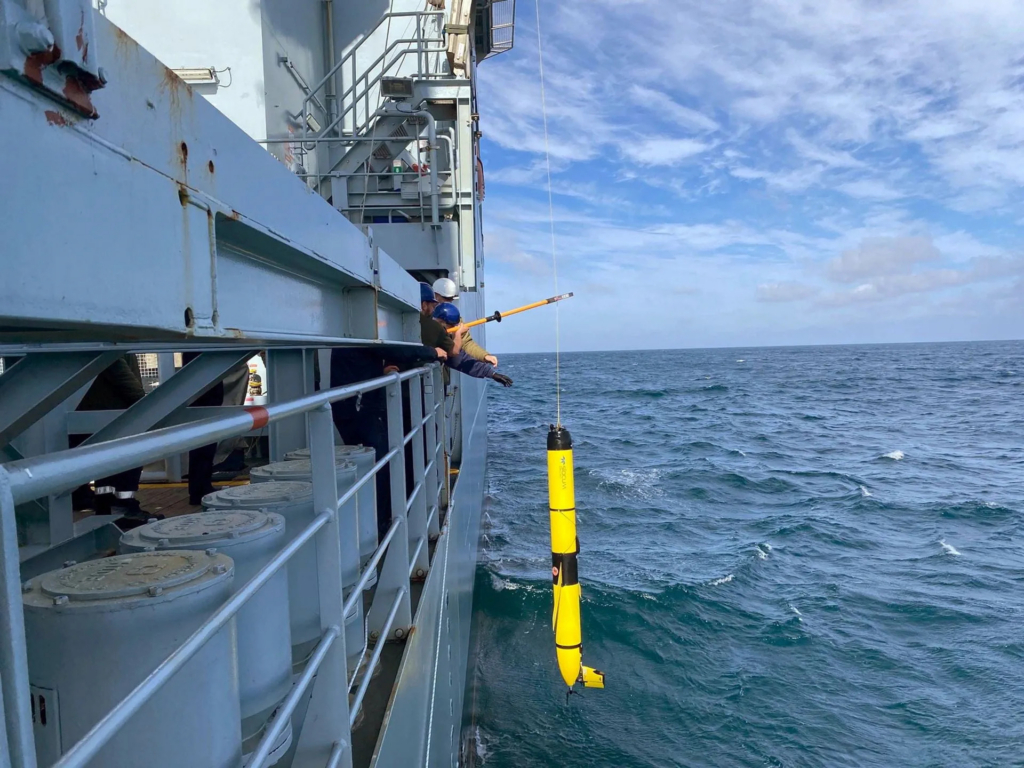
The exercise saw the Royal Navy deploy several types of underwater gliders and uncrewed surface vessels. Gliders ranged from small to larger sentinel gliders that use long acoustic vertical arrays to detect and track potential threats.
Separately, the Royal Navy recently unveiled that it had a new record for its largest and longest deployment of underwater drones, by using five ‘ocean gliders’ for 64 days.
The Navy said it deployed “squads of small and medium uncrewed surface vessels.” These gathered acoustic data and provided real-time contact reports of submarine targets and were a “proof of concept for larger squads and versions of such vessels.”
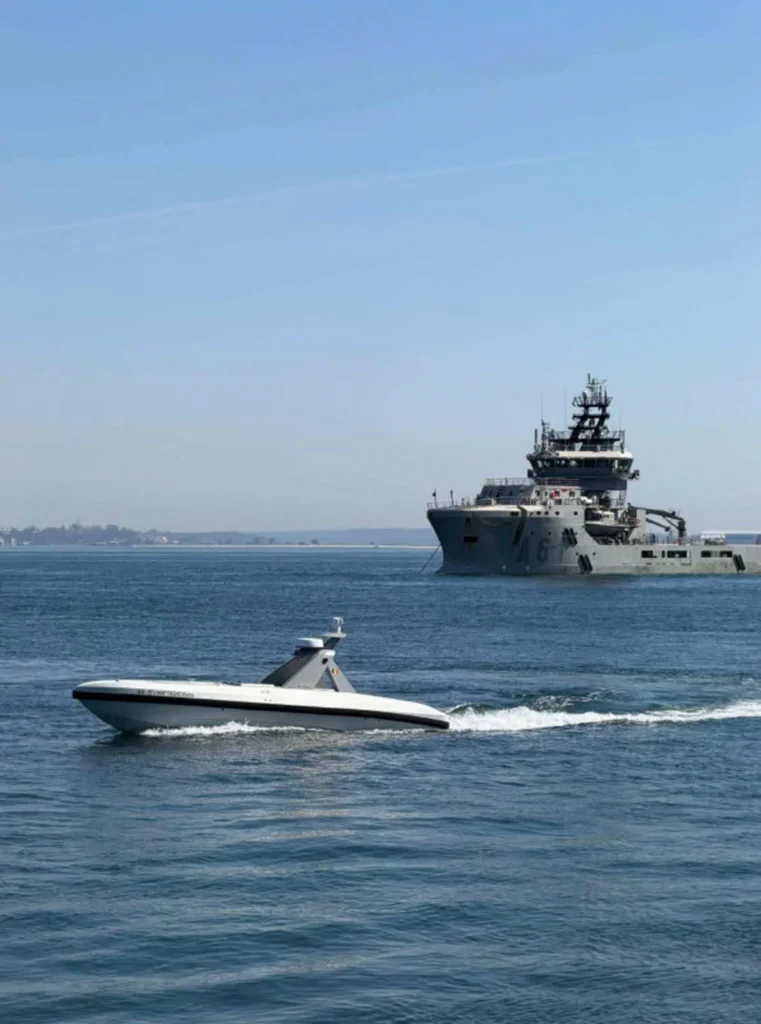
One type of autonomous USV used during Exercise REPMUS was 12 metres long, while the other measured 17 metres long. These USVs towed sonar systems, dropped sonobuoys, and launched gliders.
Anti-submarine warfare has been a key aspect of the Royal Navy’s core mission set for decades. Russia’s submarine fleet is generally considered much more capable than its surface fleet.
Sign up for our newsletter and get our latest content in your inbox.
Similar Reads


Sign up for our newsletter. Select all sectors relevant to you.
Related