Royal Navy begins sea trials for giant submarine drone XV Excalibur


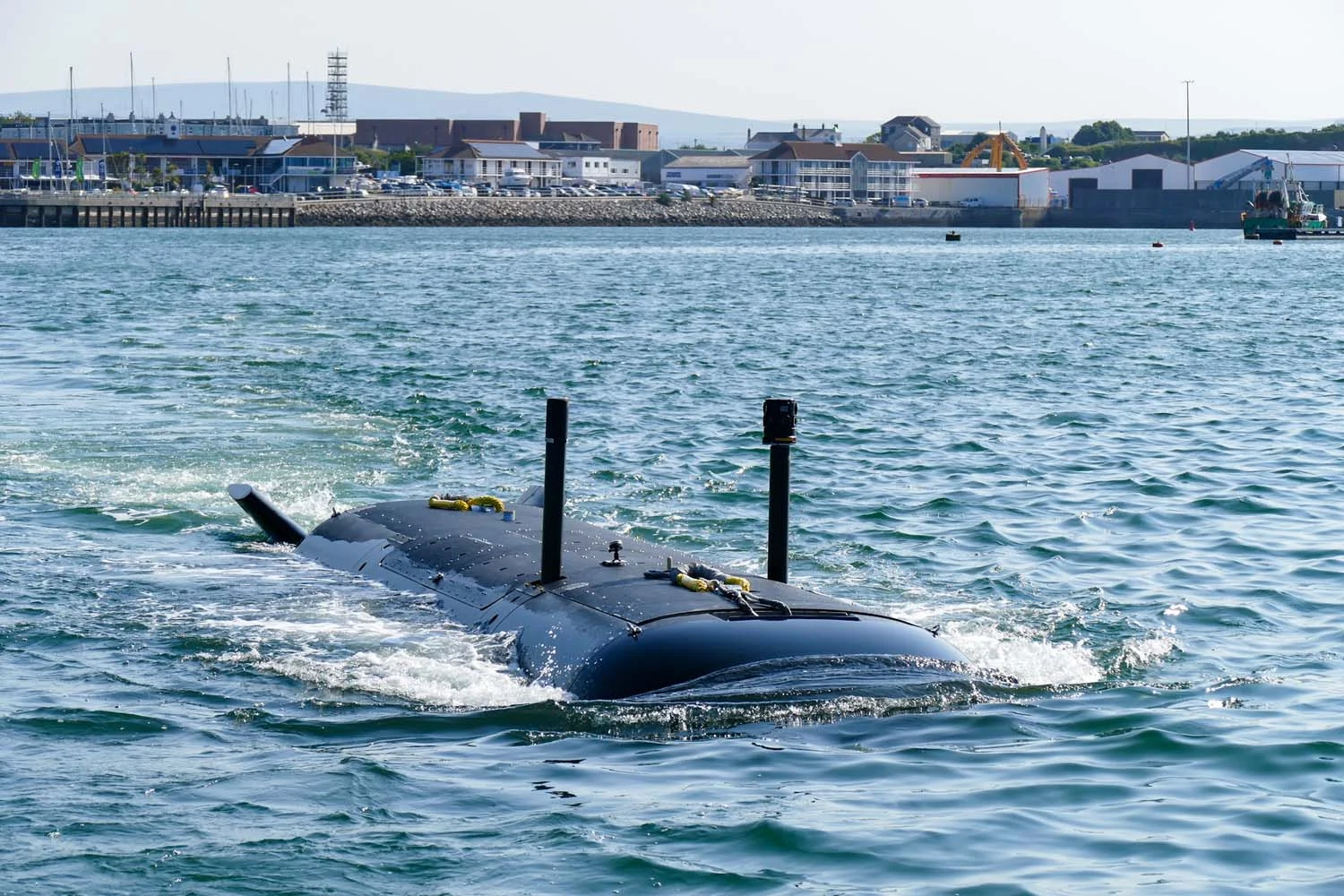
The Royal Navy has entered the next phase of developing large autonomous undersea systems, awarding MSubs a new contract to begin an extended programme of sea trials for XV Excalibur, the UK’s largest uncrewed submarine.
The programme will help determine how extra-large uncrewed underwater vehicles (XLUUVs) could support future maritime operations alongside conventional submarines and other naval assets.
The $8.8 million (£6.6 million pounds) contract, awarded by the Submarine Delivery Agency (SDA), will see the Plymouth-based company undertake platform and payload trials designed to evaluate the operational potential of large autonomous underwater systems.
As the original designer and builder of XV Excalibur under Project CETUS, MSubs will conduct the trials at its facilities in Plymouth and surrounding waters through to 2028.
“The forthcoming programme will focus on platform and payload trials, helping to further understand the role large uncrewed underwater systems can play in future maritime capability,” MSubs said.
The company added that it was proud to continue supporting the programme, noting that engineering developed in Plymouth was contributing to the future of British undersea capability.
Project CETUS enters a new phase as the Royal Navy evaluates extra-large autonomous underwater vehicles
Rather than serving as an operational combat platform, XV Excalibur has been developed as a technology demonstrator to help the Royal Navy understand how extra-large autonomous underwater vehicles could complement crewed submarines in future operations.
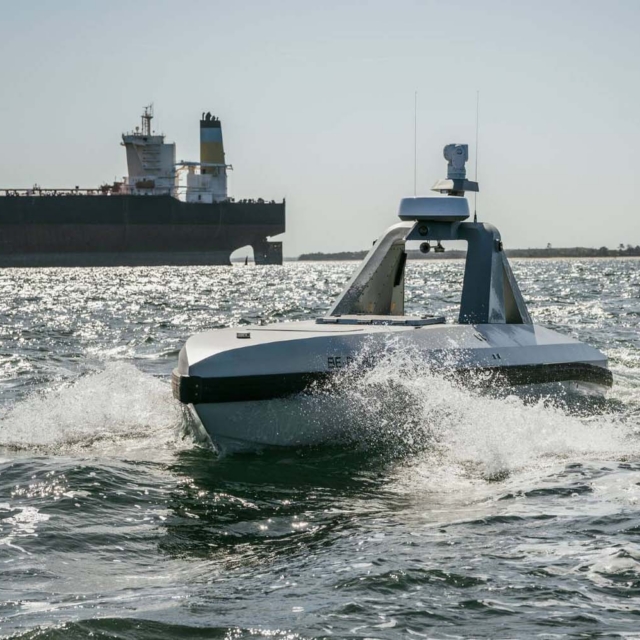
The vessel forms part of the Royal Navy’s Fleet Experimentation Squadron, operating under the Disruptive Capabilities and Technologies Office, alongside the experimental surface vessel XV Patrick Blackett.
At 12 metres long, two metres wide and displacing around 21 tonnes, XV Excalibur is the largest uncrewed submarine built for the Royal Navy.
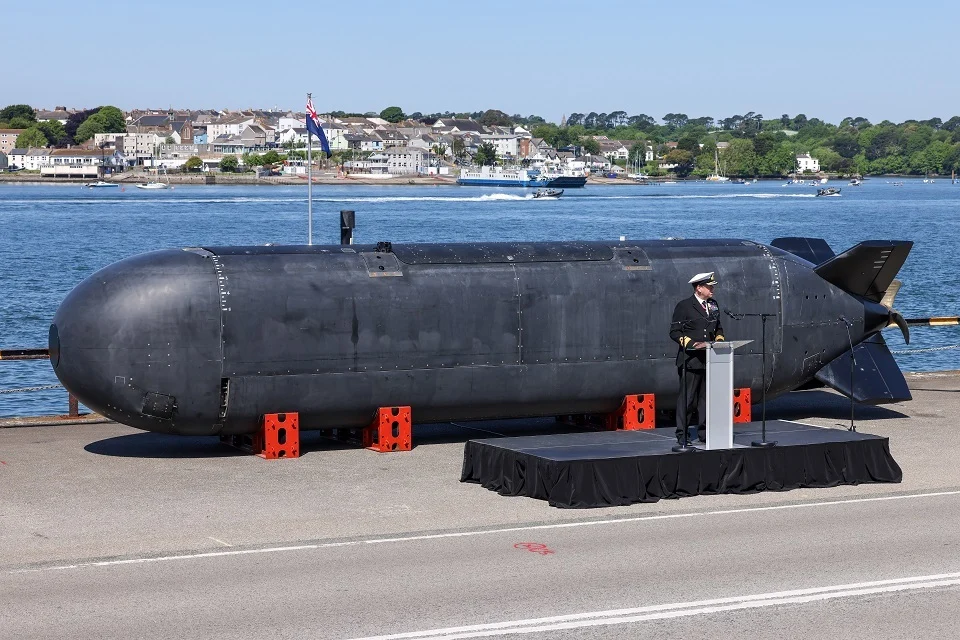
It has an endurance of up to five days, a range of around 1,000 miles and can dive deeper than any of the Navy’s current crewed submarines. Its modular design also allows additional payloads and power systems to be integrated to support different trial activities.
The latest contract follows earlier development work under Project CETUS and is expected to begin with a repeat of the S201 trials previously conducted on a smaller autonomous underwater vehicle developed under Project Manta.
According to the SDA, MSubs was selected because of its experience as the programme’s original developer and its ability to conduct the work safely.
Sea trials will assess payload integration, endurance and the future role of autonomous undersea systems
The sea trials are expected to provide the Royal Navy with a better understanding of how large autonomous underwater vehicles perform during extended operations while evaluating different mission payloads from multiple suppliers as the programme develops.
The SDA has described the new contract as the first stage of what is expected to become a long-term trial and experimentation programme.
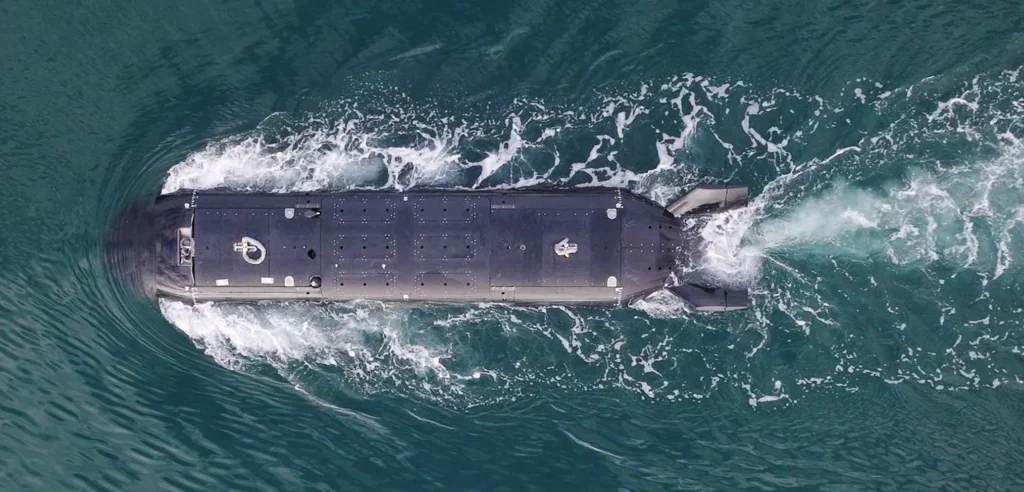
XV Excalibur has already featured in multinational experimentation. During an AUKUS exercise in 2025, the vessel was remotely controlled from Australia while operating submerged in UK waters more than 10,000 miles away, demonstrating long-range command and control of autonomous underwater systems.
At the vessel’s naming ceremony, Commodore Marcus Rose, Deputy Director of Underwater Battlespace Capability, said the programme would help the Royal Navy understand how to operate uncrewed vessels of this size beneath the sea.
Autonomous submarines are becoming a strategic priority for Western navies
For the Royal Navy, Project CETUS is about more than a single experimental platform.
Navies around the world are investing in extra-large autonomous underwater vehicles to undertake missions that are often too persistent, too hazardous or too costly for crewed submarines.
Potential roles include intelligence gathering, seabed surveillance, critical undersea infrastructure monitoring, mine warfare, payload delivery and long-endurance maritime reconnaissance.
The latest trial phase is expected to provide the evidence needed to shape future Royal Navy investment in autonomous undersea capability while contributing to wider AUKUS experimentation on advanced maritime technologies.
As Western navies expand their use of uncrewed systems above and below the surface, XV Excalibur will play an important role in determining how autonomous submarines fit into future fleet operations.
Sign up for our newsletter and get our latest content in your inbox.
Similar Reads


Sign up for our newsletter. Select all sectors relevant to you.
Related