UK opens weapons test ranges to SMEs as hypersonic testing investment advances



The UK is making it easier for smaller defence companies to access its military weapons testing facilities under a new programme with QinetiQ, aimed at accelerating the development of hypersonic missiles, directed-energy weapons and autonomous systems.
Announced on 10 October, Project Safari will provide small and medium-sized enterprises (SMEs) with a single point of access to specialist test and evaluation facilities, reducing the multiple approval processes that have delayed trials of new military technologies.
The announcement by the Ministry of Defence also includes a separate investment in the UK’s hypersonic testing infrastructure. During a visit to MOD Hebrides, Defence Readiness and Industry Minister Luke Pollard signed an agreement with QinetiQ covering the initial design stage of a multimillion-pound programme to enable hypersonic missile testing at the range.
The two developments help smaller UK companies which develop advanced military technology but struggle to secure the facilities and approvals needed to demonstrate that it works.
“We know that limited access to test and evaluation facilities have been holding back smaller businesses and new entrants from working with defence,” Pollard said. “By working hand-in-hand with QinetiQ, we are unlocking British innovation by developing, testing and delivering military capabilities for the UK and our allies at speed.”
Project Safari aims to cut delays in testing new defence technologies
Project Safari is intended to simplify access to the MoD’s test and evaluation infrastructure, where weapons, sensors, aircraft and other military systems are assessed before entering service.
Companies, particularly SMEs and newcomers to defence, have previously faced several layers of approval before conducting trials at military facilities. Under the new arrangements, they will have a single point of contact to help identify suitable facilities and navigate the approval process.
The programme will also help bring together government departments, regulators, industry and technology developers to improve access to specialist expertise and modernise testing infrastructure.
Although SMEs are a particular focus, QinetiQ says the initiative will also support established defence contractors and other companies seeking to test new technologies.

The company operates a network of MoD-owned ranges and specialist facilities under its Long Term Partnering Agreement, providing environments in which equipment can be assessed under conditions relevant to military operations.
The changes are intended to help companies progress from early prototypes to more advanced trials without unnecessary administrative delays.
QinetiQ group chief executive Steve Wadey said faster testing was essential to maintaining a military advantage.
“Turning ideas into trusted frontline capability faster than our adversaries is what delivers military advantage and we’ve got to go faster to stay ahead,” he said.
“Project Safari will transform how the UK approves new technologies, creating a world-leading test and evaluation enterprise that helps government, industry and regulators work together to accelerate the delivery of military capability at the pace demanded by modern warfare.”
MOD Hebrides to expand hypersonic weapons testing capability
The agreement signed at MOD Hebrides provides a further indication of the government’s plans to strengthen the UK’s ability to test advanced weapons.
Located in Scotland’s Outer Hebrides, the facility is the UK’s largest weapons test range and is used for trials of guided weapons and other military systems.
Its extensive controlled airspace and specialist tracking equipment allow weapons to be monitored and evaluated during flight.
The new agreement with QinetiQ covers the first design stage of a multimillion-pound investment intended to enable the testing of hypersonic missiles and other advanced technologies.

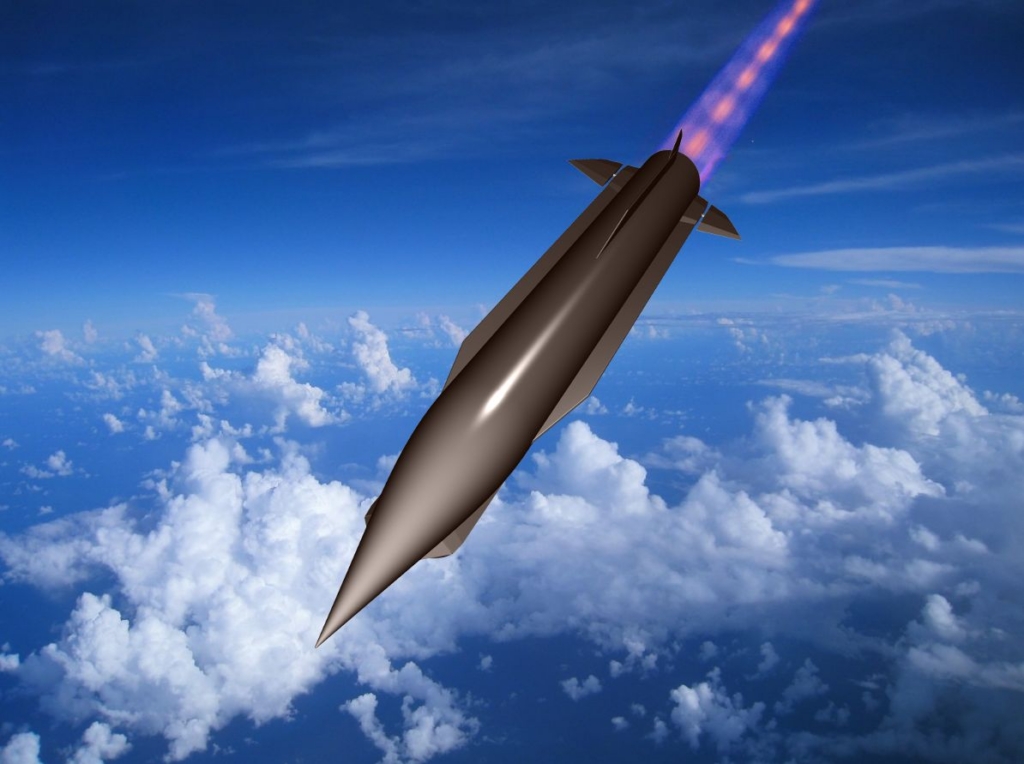
Hypersonic weapons travel at speeds above Mach 5, or five times the speed of sound. Testing them requires facilities capable of tracking high-speed flight and gathering detailed performance data.
The MoD has not disclosed the total investment value or a completion date for the proposed improvements.
The announcement comes as the UK prepares for a separate hypersonic-related demonstration at the Hebrides range. Under Project Bowline, the MoD is developing a hypersonic target capability to support the testing and evaluation of missile defence systems against emerging high-speed threats.
In a recent parliamentary answer, Pollard confirmed that the programme would develop a target vehicle capable of replicating threats travelling above Mach 5, with a live flight demonstration planned at MOD Hebrides in 2027.
Project Bowline is intended to provide realistic targets for defensive testing. The new range investment is a separate initiative aimed at expanding the facilities available for hypersonic missile trials and other advanced technologies.
Smaller UK defence firms developing weapons for Ukraine
During his visit to MOD Hebrides, Pollard and Wadey held a roundtable discussion with representatives from smaller defence companies, including Greenjets and Cambridge Aerospace.
The meeting focused on the difficulties SMEs face when trying to gain access to test and evaluation services.
Pollard also met MGI Engineering, an Oxfordshire-based company competing in Project Brakestop, which is developing low-cost, long-range weapons for Ukraine. The company’s involvement reflects the growing role of smaller engineering businesses in developing military capabilities intended for rapid production and deployment.
The MoD has not announced any Project Safari contracts for the companies involved in the discussions.
The programme supports the Strategic Defence Review’s commitment to increase annual defence spending with SMEs by £2.5 billion by summer 2028. That target forms part of the government’s wider defence industrial policy and is not a separate funding allocation for Project Safari.
The announcement also follows the Defence Investment Plan, which the MoD says is backed by £298 billion in UK defence funding over the next four years.
For companies developing drones, propulsion systems, sensors and advanced weapons, access to suitable testing facilities remains an important step between producing a prototype and securing military acceptance.
Project Safari is designed to make that process easier. Its practical impact will depend on how quickly companies can obtain range access and complete the trials needed to demonstrate their technologies.
At MOD Hebrides, the initial design agreement marks a further step towards expanding the UK’s ability to test hypersonic weapons, although the timetable and full cost of the planned development remain to be confirmed.
Sign up for our newsletter and get our latest content in your inbox.
Similar Reads




Sign up for our newsletter. Select all sectors relevant to you.
Related