

The UK clears Storm Shadow technology release to enable missile assembly in Ukraine


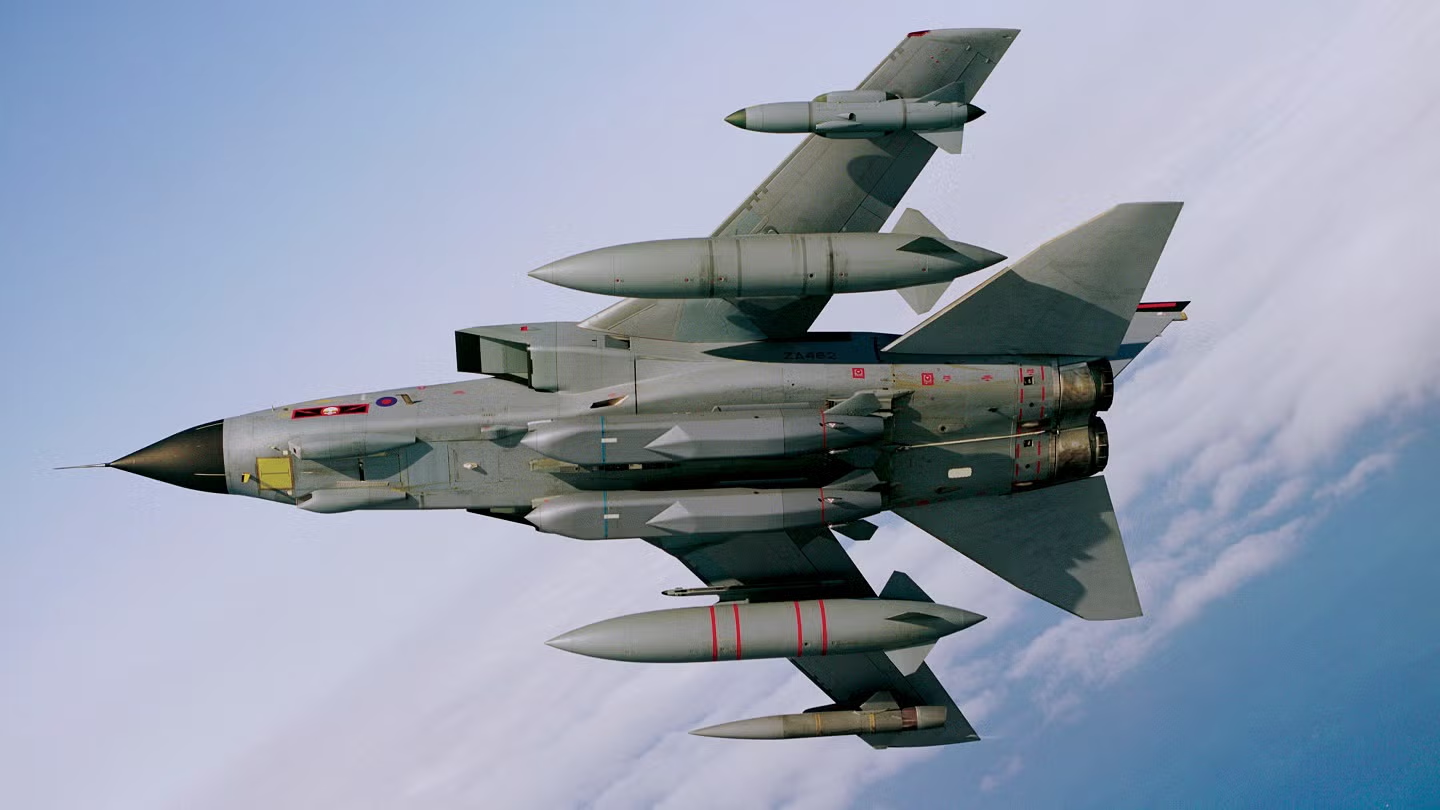
The UK has agreed to release classified information on components of the Storm Shadow/SCALP cruise missile, clearing a key hurdle for France and Ukraine to establish local assembly of the long-range weapon.
The decision allows MBDA to share protected technical information covering British elements of the jointly developed missile. Downing Street announced the move on Monday, 24 August, as Prime Minister Andy Burnham arrived in Kyiv for his first overseas visit since taking office.
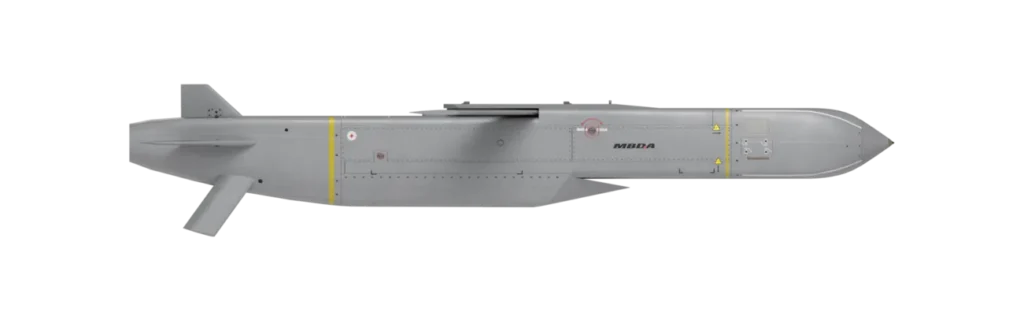
It marks a significant step beyond supplying Ukraine with completed missiles from European inventories. Britain became the first country to provide Kyiv with Western long-range cruise missiles when it supplied Storm Shadow in 2023. The latest decision could now allow part of the weapon’s assembly to move much closer to the battlefield.
The government has not disclosed which British technologies will be released, what proportion of the missile could ultimately be assembled in Ukraine, where production would take place or when locally assembled weapons could become available.
Those omissions are important. The announcement clears a technology-transfer obstacle; it does not say that a complete Storm Shadow production line is already operating in Ukraine.
Why Britain had to approve Ukrainian SCALP assembly
Storm Shadow and SCALP are essentially the British and French versions of the same MBDA long-range air-launched cruise missile, developed through one of the deepest industrial partnerships in European weapons manufacturing.
Although the two governments contracted separately for their respective requirements, MBDA managed the programme as a single collaborative effort. British and French technologies were divided across the weapon, meaning Paris could not simply transfer protected UK elements without London’s approval.
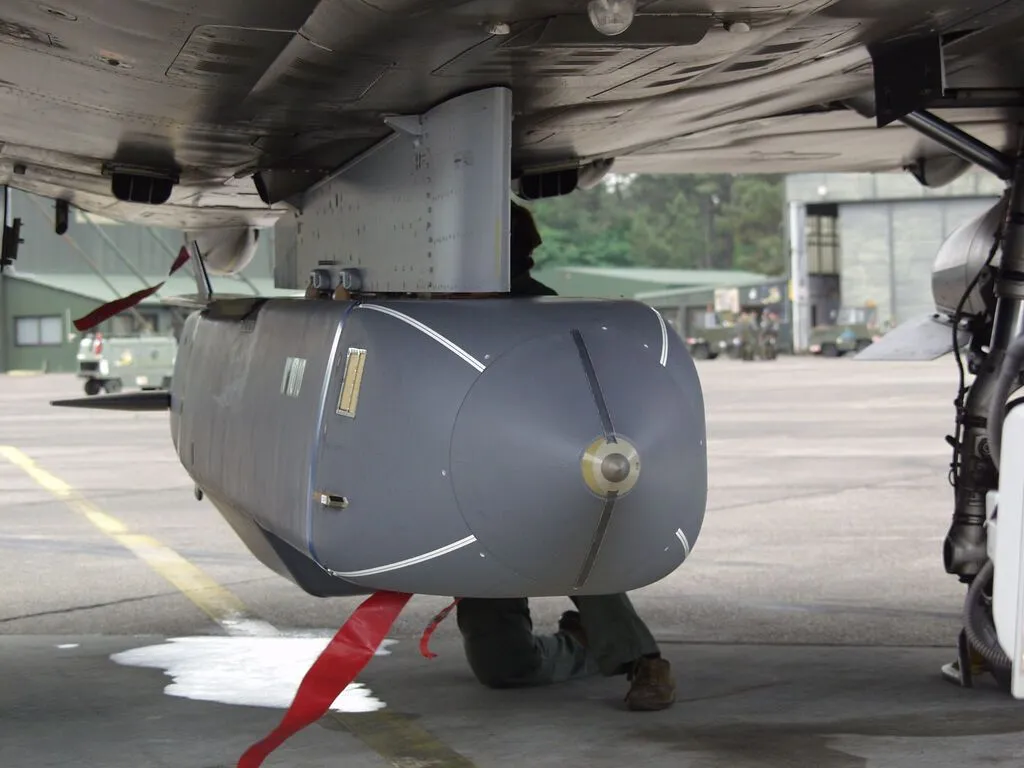
That is what Monday’s decision changes.
The UK government said MBDA can now release classified information on British components as France and Ukraine seek to establish assembly lines in Ukraine. It specifically described SCALP as the French-produced version of Storm Shadow and confirmed that both weapons use shared British and French technology.
The arrangement reflects a partnership that dates back to the late 1990s. Storm Shadow/SCALP was developed to provide a deep-strike capability that Britain and France concluded would have been much harder to afford independently. The relationship later expanded across other missile programmes, including Meteor and Sea Venom/ANL.
That industrial interdependence is normally an advantage. In this case, however, it also meant that moving production of a jointly developed weapon to a third country required agreement over technologies controlled by both partners.
Britain has now provided its part of that clearance.
Storm Shadow has given Ukraine a deep-strike weapon since 2023
Storm Shadow is designed to attack high-value fixed targets from stand-off distance, allowing the launch aircraft to release the missile well outside the immediate target area.
After launch, the weapon flies towards its target at low altitude. Ukraine has adapted its Soviet-designed combat aircraft to carry Western cruise missiles, giving Kyiv a strike capability against targets well beyond the reach of many of its earlier air-launched weapons.
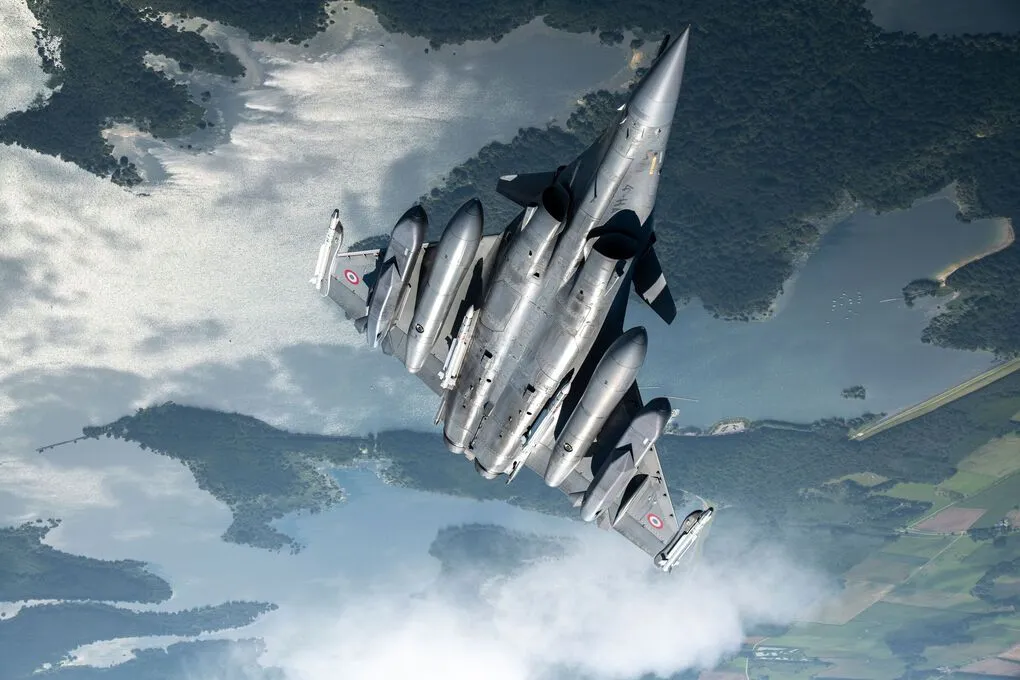
Britain began supplying Storm Shadow in 2023, followed by France with SCALP.
The missile has since become one of Ukraine’s most important Western-supplied long-range weapons. But every launch also draws down a finite European inventory. At the same time, the complexity and cost of cruise-missile production make stocks much harder to replace than drones or simpler guided weapons.
Local assembly would not remove those constraints overnight. Engines, seekers, guidance systems, warheads and other specialised components still depend on sophisticated supply chains. Neither the British announcement nor the material released so far says that Ukraine will manufacture the missile entirely from domestic components.
What it does offer is another route for Kyiv to sustain access to the weapon without depending exclusively on deliveries of complete missiles assembled elsewhere.
Storm Shadow was built around British-French industrial interdependence
The decision is particularly notable because Storm Shadow was one of the programmes that helped shape the present British-French missile industry.
Evidence previously submitted by MBDA UK to Parliament described Storm Shadow/SCALP as an unprecedented level of cooperation between the two countries in complex weapons. Work was divided to avoid duplication while retaining specialist capabilities on both sides of the Channel.
That model was strengthened by the 2010 Lancaster House Defence and Security Treaty and subsequent agreements establishing specialist MBDA Centres of Excellence in Britain and France.
It deliberately created a degree of industrial interdependence. The two countries retained sovereign control over important technologies while accepting that some capabilities would be concentrated in one country rather than duplicated in both.
The Ukrainian decision is an unusual consequence of that arrangement: Britain is permitting sensitive national technology embedded in a Franco-British weapon to be released so that production can be expanded outside either country.
Project Brakestop points to cheaper long-range weapons
Britain is also pursuing a separate route to increase Ukraine’s long-range strike capacity.
Downing Street said the Storm Shadow/SCALP decision complements Project Brakestop, a UK-led effort to rapidly develop lower-cost advanced long-range strike weapons for Ukraine.
The two programmes address different parts of the same problem.
Storm Shadow is an established and sophisticated cruise missile with a mature industrial base. Brakestop is intended to pursue weapons that can be produced more cheaply and in larger numbers.
That distinction has become increasingly important as the war consumes missiles, drones and air-defence interceptors at rates European inventories and peacetime production lines were never designed to sustain.
Britain has already been expanding other parts of its missile capacity. A £118 million contract awarded to MBDA in 2025 covers six additional Land Ceptor systems and associated equipment for the British Army’s Sky Sabre air-defence network. The systems use CAMM missiles to engage aircraft, cruise missiles and drones.
MBDA’s UK manufacturing footprint has also supported programmes ranging from Brimstone and Sea Ceptor to Storm Shadow. Its longstanding relationship with the Ministry of Defence was deliberately structured to preserve domestic complex-weapons expertise and allow production to be increased during periods of operational demand.
Burnham uses first foreign visit to reinforce Ukraine commitment
The missile announcement was made as Burnham travelled to Kyiv on Ukraine’s 35th Independence Day, making Ukraine the destination of his first international trip as prime minister.
He was due to meet President Volodymyr Zelenskyy and co-chair his first meeting of the Coalition of the Willing, which Britain leads alongside France.
“Ukraine’s security is our security,” Burnham said, adding that British support would not waver.
The government puts Britain’s support for Ukraine at £25 billion, including £16 billion in military assistance and £5.6 billion in non-military support.
The Storm Shadow decision adds a different dimension to that support. Britain is no longer dealing solely with how many missiles it can send from its own stocks. It has agreed to release technology that could allow Ukraine to become part of the industrial chain that assembles them.
Sign up for our newsletter and get our latest content in your inbox.
Similar Reads



Sign up for our newsletter. Select all sectors relevant to you.
Related