Royal Navy seeks suppliers for Type 93 uncrewed submarine under AUKUS programme


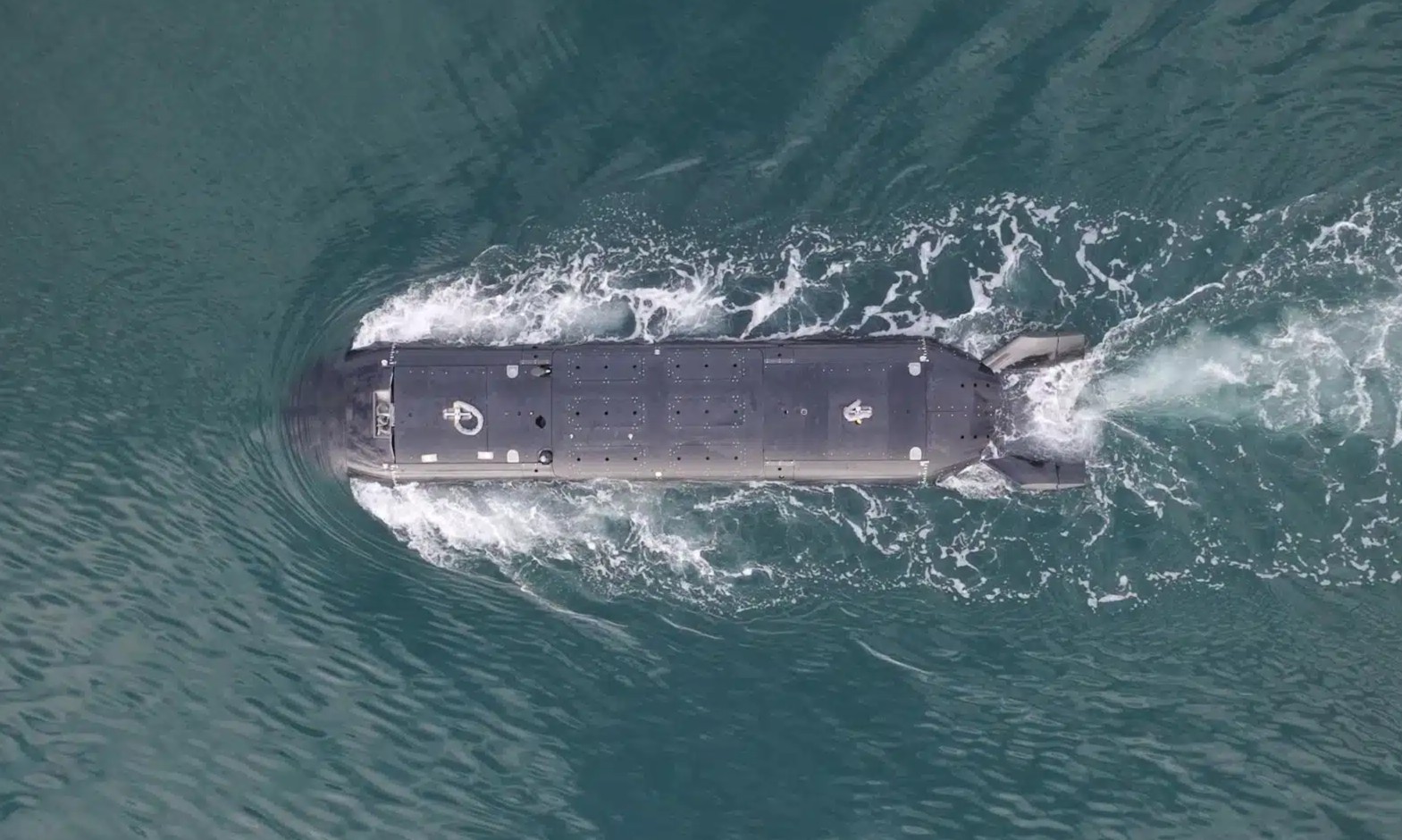
The Royal Navy has issued a preliminary market engagement for its Type 93 ‘Chariot’ Extra-Large Uncrewed Underwater Vehicle (XLUUV) programme, which forms part of the service’s Hybrid Navy plans and is linked to an AUKUS Pillar II Signature Project. It is also seeking industry engagement for its AUKUS Signature Payload Programme.
Project Cetus and the resulting XV Excalibur demonstrator are helping the Royal Navy develop the technologies, concepts and experience needed for its wider transition towards a Hybrid Navy.
The Navy’s engagement reads, “The Royal Navy seeks to improve its understanding of the market and wider ecosystem for Extra-Large Uncrewed Underwater Vehicle (XLUUV) platforms, associated payloads, and enabling functions.”
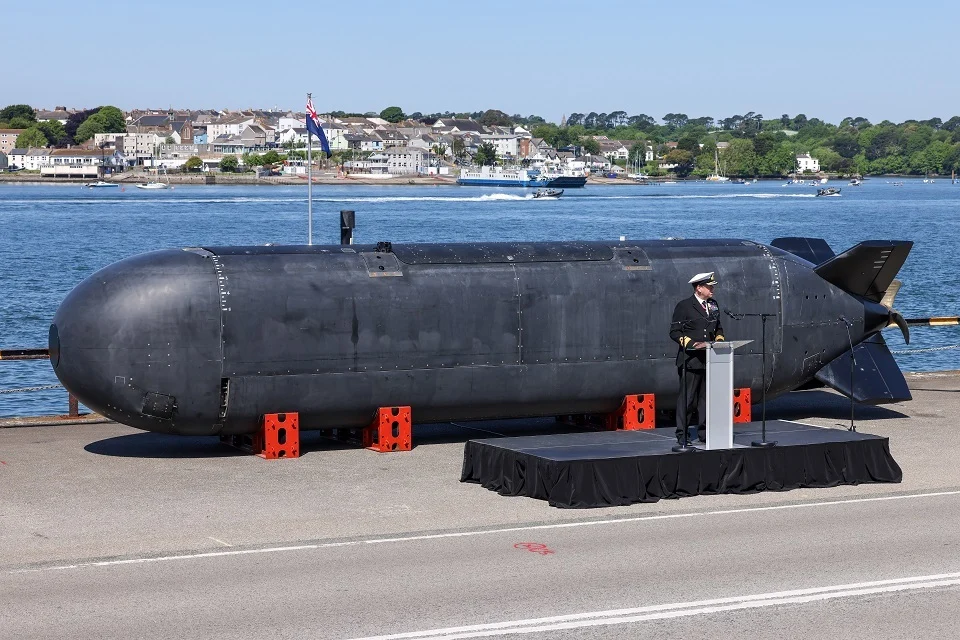
Initially, the Royal Navy will consider platforms around 2 metres in diameter and 12 metres in length. It would also be interested in hearing from industry about other dimensions.
At this stage, the aim is to generate a comprehensive list of interesting suppliers for “XLUUV market segments and the wider ecosystem.” That includes vehicle manufacturers, payload developers, systems integrators, and suppliers specialising in autonomy, artificial intelligence, mission management software, and more.
Building off the XV Excalibur experimental XLUUV
These early dimensions are similar to the XV Excalibur experimental uncrewed submarine developed by Portsmouth-based MSubs for the Navy.
XV Excalibur is the UK Royal Navy’s first Extra-Large Uncrewed Underwater Vehicle (XLUUV). It displaces up to 25 tonnes, has a range of up to 1,000 nautical miles and an endurance of five days. It was launched in February 2025 at Turnchapel Wharf and is currently in sea trials.
The uncrewed submarine was handed over to the Royal Navy in December 2025 and is now operated by MSubs within the Fleet Experimentation Squadron. During Exercise Talisman Sabre 2025, XV Excalibur was remotely controlled from Australia.
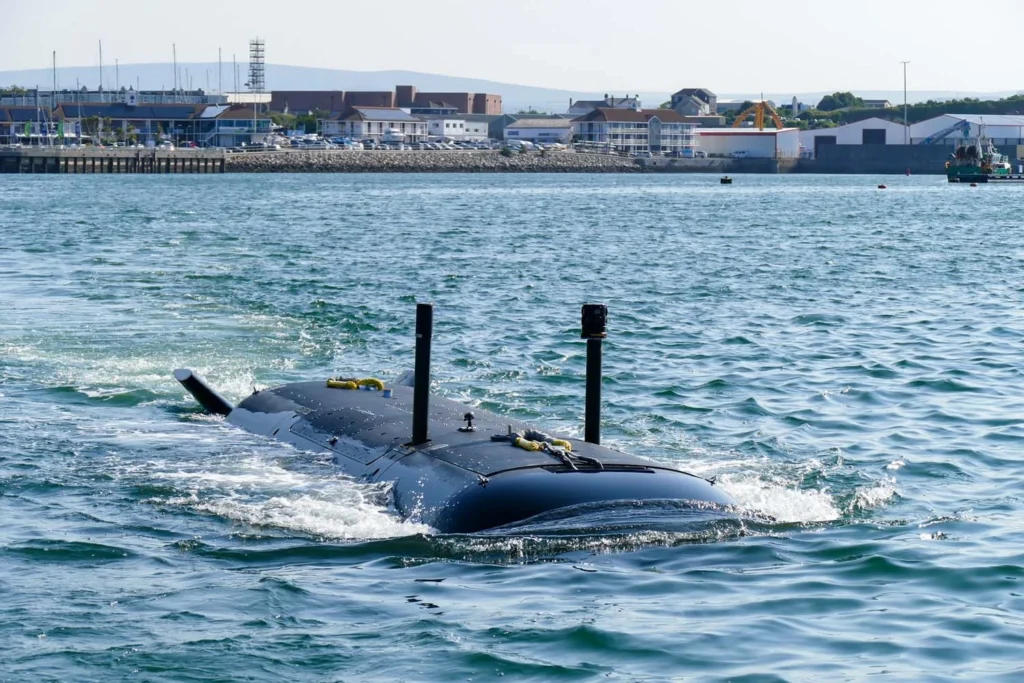
In September 2026, the experimental vessel test-fired a US Navy Mark 48 heavy weight torpedo. The Royal Navy stated, “For the first time, a Royal Navy robot submarine has successfully fired a torpedo in a milestone trial pushing the boundaries of undersea warfare off Scotland.”
Future hybrid submarine fleet of the Royal Navy
XV Excalibur’s mission is to function as a technology testbed to inform future uncrewed fleet concepts for the SSN-AUKUS submarines. It is also part of Project CABOT.
Project CABOT is the Royal Navy’s acquisition programme for a deployable, persistent, wide-area ASW search capability in the North Atlantic, including the GIUK Gap. It forms part of the broader Atlantic Bastion concept.
British industry is currently working on three types of submarines at once; the final Astute attack submarine is under construction, as are all four boats of the ballistic missile Dreadnought class.
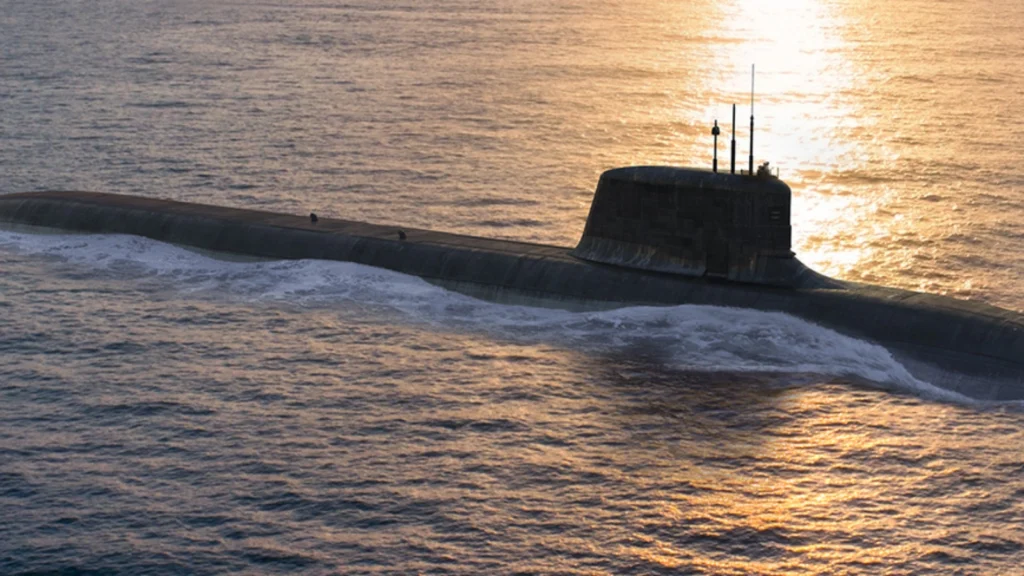
Industry is now gearing up for the AUKUS class, which will eventually replace the Astute class. The UK now expects the final Astute class to be commissioned in 2028 or early 2029, while steel is expected to be cut for the first AUKUS submarine in 2027.
To meet future demand, the UK is pouring billions into boosting submarine output to one every 18 months, not including the five AUKUS boats to be built in Australia.
Sign up for our newsletter and get our latest content in your inbox.
Similar Reads


Sign up for our newsletter. Select all sectors relevant to you.
Related