Marshall Aerospace outlines its next chapter following AURELIUS acquisition


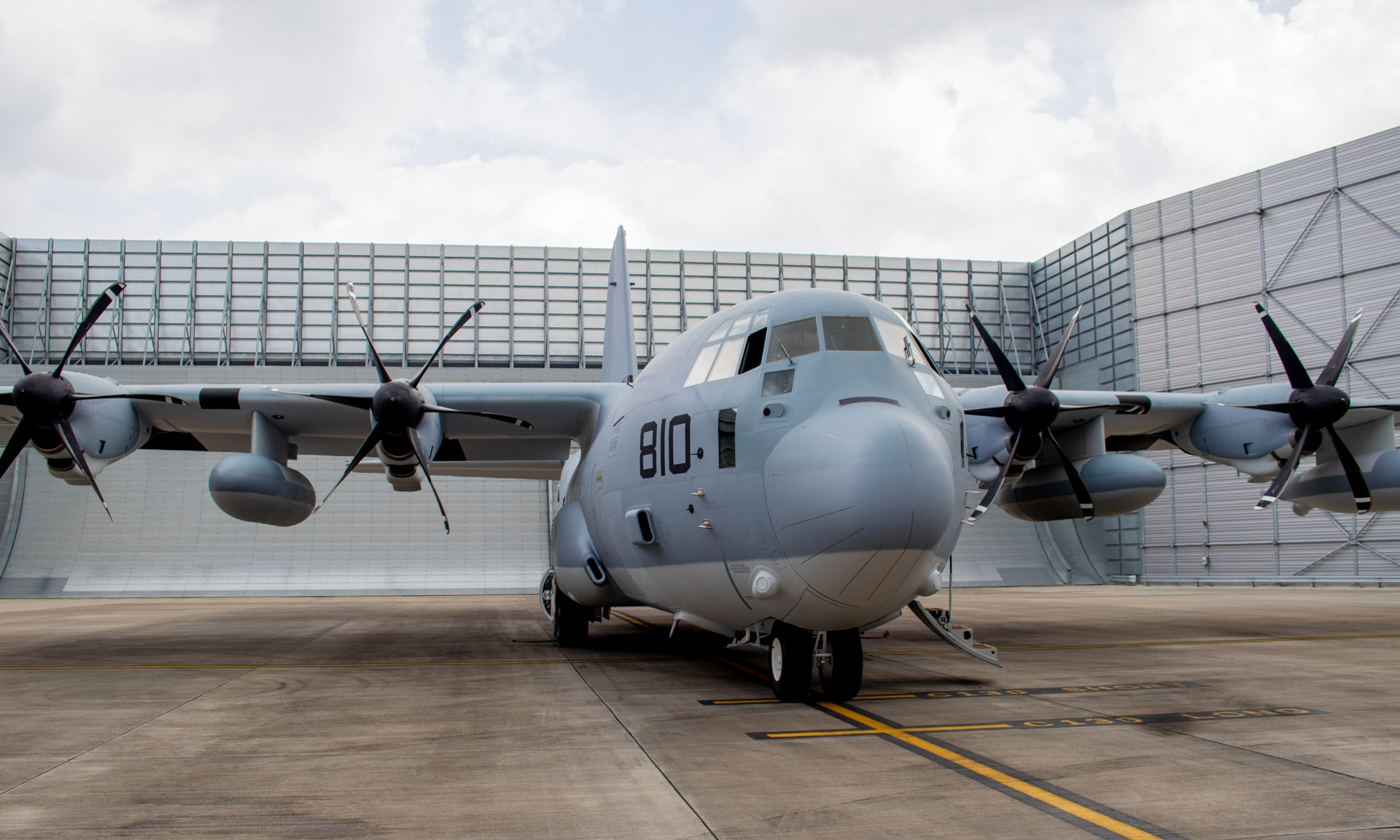
Marshall Aerospace plans to deliver the first two refurbished C-130Js to Turkey by the end of 2026 and maintain its international military support contracts following its acquisition by AURELIUS. But alongside that workload, the company faces a major decision: where to move when it leaves Cambridge Airport.
Speaking exclusively to ADS Advance after the acquisition was completed on 9 October, Marshall said its immediate priority would be “business as usual”, with work continuing across its maintenance, repair and overhaul (MRO) and manufacturing operations.
The takeover opens a new chapter for a UK aerospace business with more than a century of history. With its Cambridge site due to be handed over with vacant possession by June 2029, finding a new base will be a key element of that transition.
C-130 contracts lead Marshall’s immediate priorities
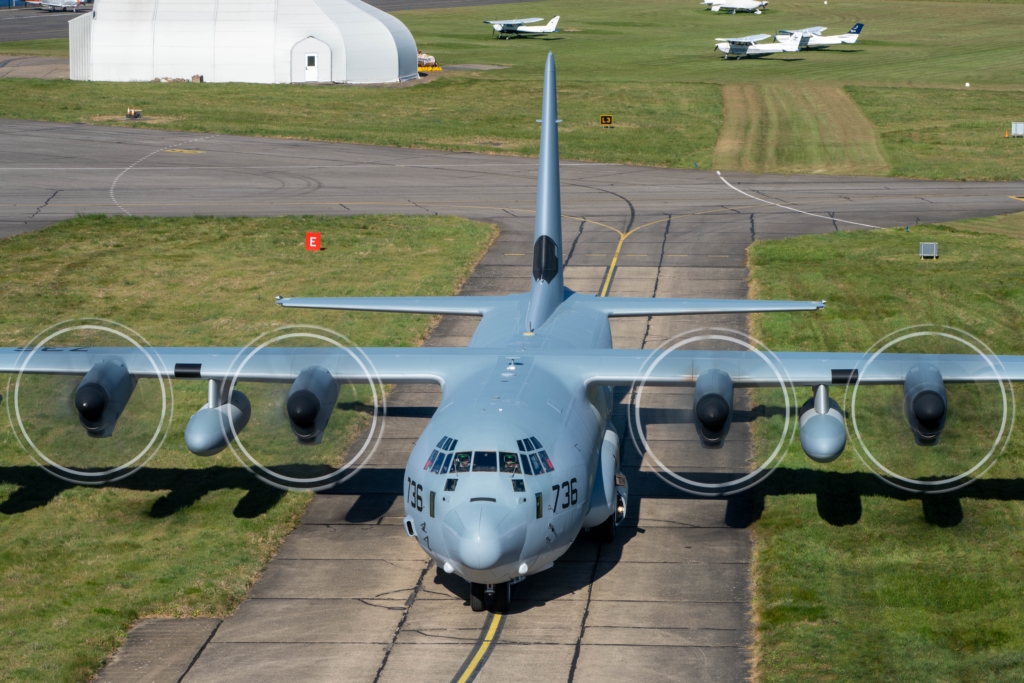
The company is currently overhauling and repurposing 12 Lockheed Martin C-130J aircraft for the Turkish Air Force. Previously operated by the UK’s Royal Air Force, which retired the type in 2023, the aircraft are undergoing comprehensive overhauls and repainting before delivery to Turkey.
With the current work programme on schedule, Marshall hopes to hand over the first two aircraft to the customer by the end of 2026. All 12 are scheduled for delivery by 2029.
The company intends to continue serving the global C-130 market with a wide range of MRO services, including centre wing box replacements, an area of work for which it is renowned.
Marshall is also nearing the end of a 12-month project to replace the centre wing box on the US Navy’s “Fat Albert”, which has been at its Cambridge facility since December 2025.
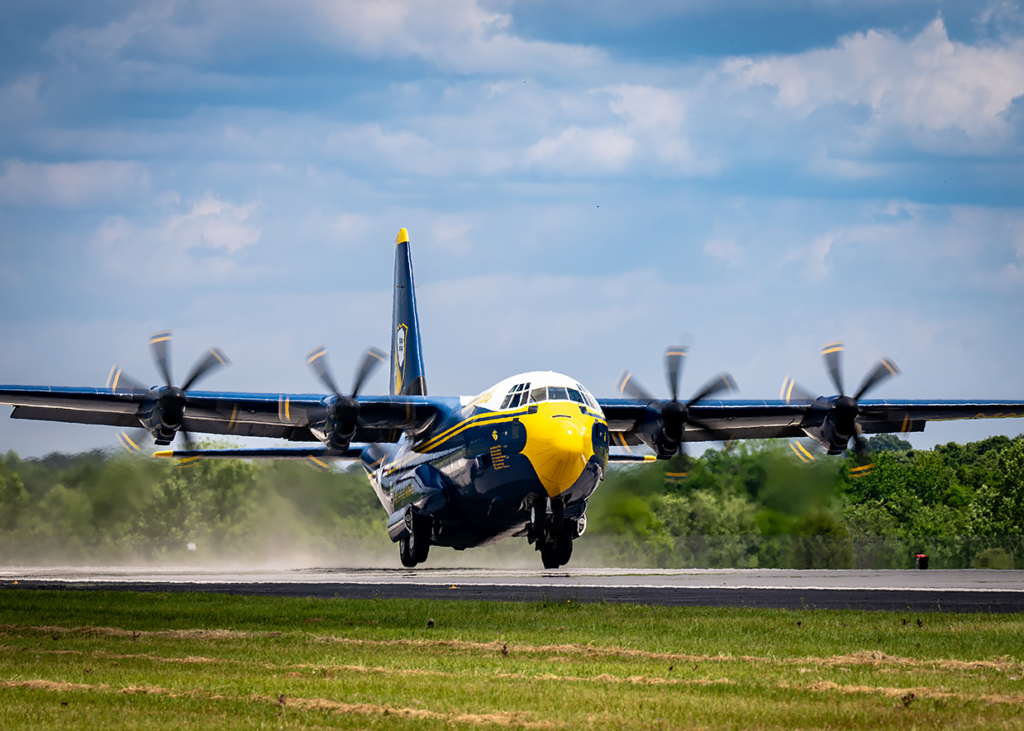
The work is due to be completed by the end of the year, with the aircraft scheduled to return to its base in Pensacola, Florida, in January 2027.
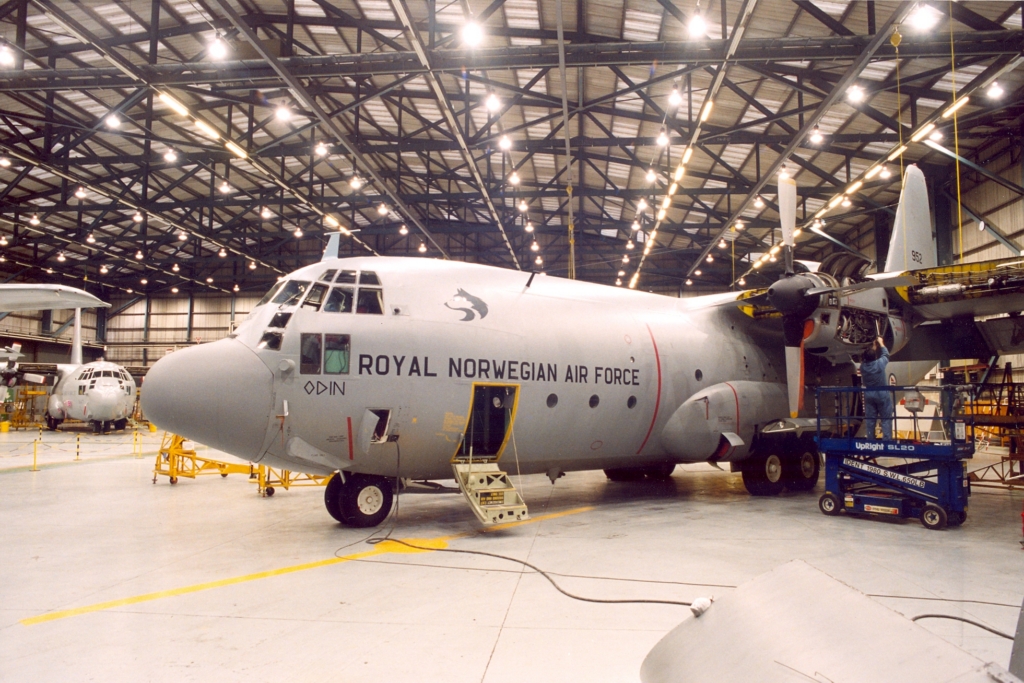
In addition, Marshall has ongoing rolling contracts with the US Marine Corps (USMC), the Royal Norwegian Air Force, the Royal Netherlands Air Force and the Royal Danish Air Force to support their respective C-130 fleets. It also provides bespoke MRO services to other C-130 operators worldwide.
Its technical support for the USMC has addressed challenges including limited parts availability, complex engineering requirements and one-off structural and manufacturing repairs necessitated by damage or severe corrosion.
As a Lockheed Martin Centre of Excellence for the global C-130 fleet, Marshall’s specialist capabilities remain central to its business under the new owner.
Finding a new home beyond Cambridge
The next major development in Marshall Aerospace’s story will be its relocation from Cambridge Airport, where the company has operated for almost 100 years.
In May 2019, the company announced that the airport site had been sold for redevelopment as a new community, to be known as Cambridge East, and that its existing facilities would be vacated by 2030. The redevelopment is expected to include around 12,000 new homes, alongside business premises and other community facilities.
Marshall initially planned to relocate to an entirely new facility at Cranfield Airport (QKT), approximately 40 miles to the west. However, in late 2025, these plans were shelved, with the company citing affordability concerns.
Marshall told Advance that it continues to explore potential sites for its future operations. With the Cambridge Airport land now due to be handed over with vacant possession by June 2029, the search for an alternative location is becoming increasingly pressing.
The company was unwilling to be drawn on whether its new location would be in the UK or overseas. However, it emphasised that its UK-based workforce is its most valuable asset and that retaining as many employees as possible would be a key consideration throughout the relocation process.
That places the search for a new base alongside the delivery of existing contracts as a major priority for the business under AURELIUS.
Manufacturing remains a core part of the Marshall Aerospace business
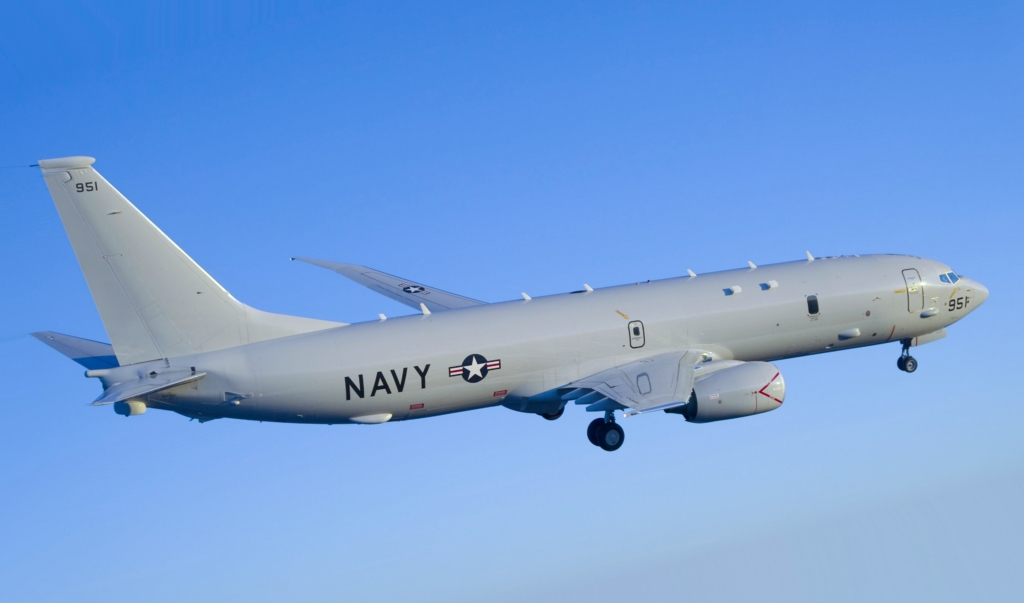
On the manufacturing side, Marshall intends to continue fulfilling specific defence-related contracts. The company said it plans to maintain one of the longest-running and most successful contracts in its history, supporting the P-8 Poseidon advanced warning and maritime patrol platform.
Marshall manufactures auxiliary fuel tanks for the P-8, whose operators include the UK, the US, Australia, Germany, India, New Zealand, Norway and South Korea. More than 1,200 tanks have been produced to date.
The company also manufactures key components for sonar arrays on behalf of Thales. It recently opened a second production line for these sonar modules, supporting the Royal Navy and the UK’s export partners through its contract with the defence contractor.
Although this work sits outside the aerospace activities undertaken by other parts of the business, Marshall considers it a core component of its operations, drawing on the capabilities of its highly skilled workforce.
How AURELIUS became Marshall Aerospace’s new owner
Marshall Aerospace, the aerospace MRO and manufacturing division of the Marshall Group, had been seeking a new owner since 2025.
Having sold other businesses, including Marshall Fleet Solutions and Marshall Land Systems, during 2025, the group earmarked Marshall Aerospace for divestment. The formal process of finding a new owner got underway at the start of 2026.
With post-tax profits of £19.7 million for the year ending December 2025 and a substantial pipeline of future work, the company proved attractive to potential buyers. As 2026 began, the formal process of finding a new owner for Marshall Aerospace got underway.
Marshall said seven potential buyers, including international defence and aerospace organisations, expressed an interest. A shortlist was subsequently drawn up, which included AURELIUS.
Following financial checks and legal due diligence over the summer, the acquisition was completed on 9 October.
The change of ownership gives Marshall a new platform from which to develop its specialist activities. Its immediate commitments, however, remain clear: deliver the aircraft and manufacturing programmes already underway while securing a future home for the business and its workforce.
Sign up for our newsletter and get our latest content in your inbox.
Similar Reads



Sign up for our newsletter. Select all sectors relevant to you.
Related