General Atomics

Solar radiation event highlights need for improved aviation monitoring, study finds

The event was triggered by a rare X5-class solar flare, which sent a burst of energetic particles from the Sun into Earth’s atmosphere in November 2025.

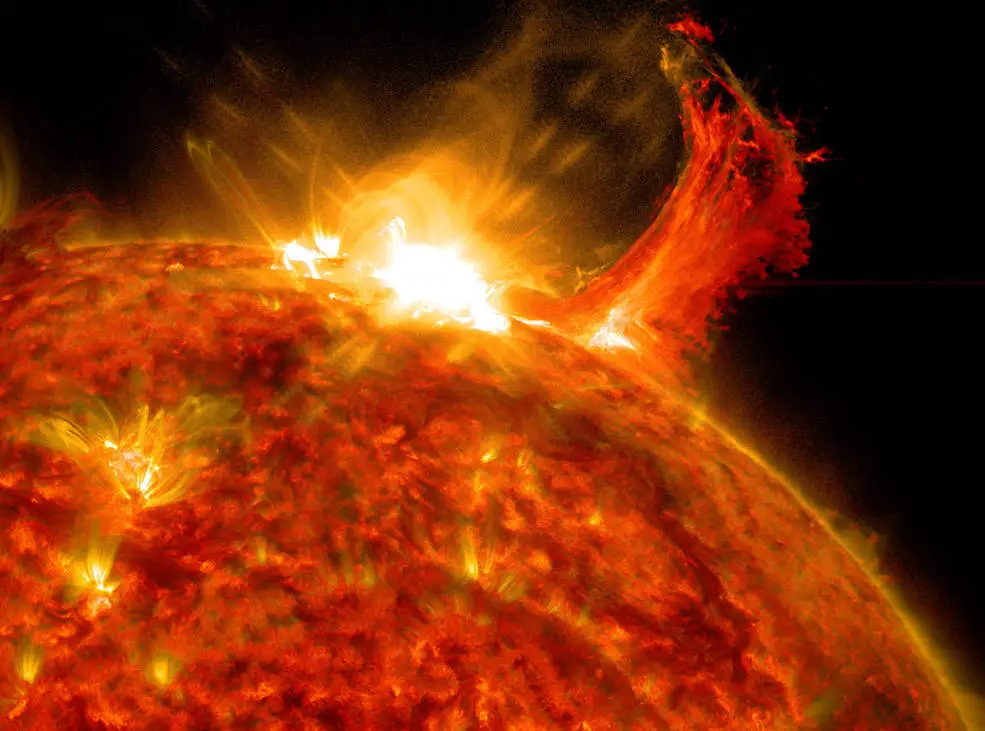
On October 2, 2014, NASA’s Solar Dynamics Observatory (SDO) captured a powerful solar flare alongside a coronal mass ejection (CME).
Photo: NASA

A major solar radiation event in November 2025 has provided researchers with an unprecedented dataset of radiation measurements across Earth’s atmosphere, highlighting the need for better-coordinated monitoring to assess risks to aviation.

The study, led by the University of Surrey and published in Space Weather, analysed measurements collected on 11 November 2025 during the largest Ground Level Enhancement (GLE) observed in almost 20 years.

The event was triggered by a rare X5-class solar flare, which sent a burst of energetic particles from the Sun into Earth’s atmosphere. Researchers found that radiation levels above the UK varied significantly according to location and altitude, with some measurements exceeding international aviation advisory thresholds.

Radiation levels exceeded aviation advisory thresholds

The research team combined data from ground-based neutron monitors across the UK, radiation detectors aboard transatlantic passenger flights and instruments carried by weather balloons launched from the UK and the Netherlands.

Balloon launches conducted in collaboration with the Met Office from Lerwick, Shetland, recorded radiation levels above the International Civil Aviation Organization’s (ICAO) ‘moderate’ advisory threshold at business jet altitudes several hours after the storm peaked.

At higher altitudes associated with supersonic flight, measurements exceeded the ICAO’s ‘severe’ threshold.
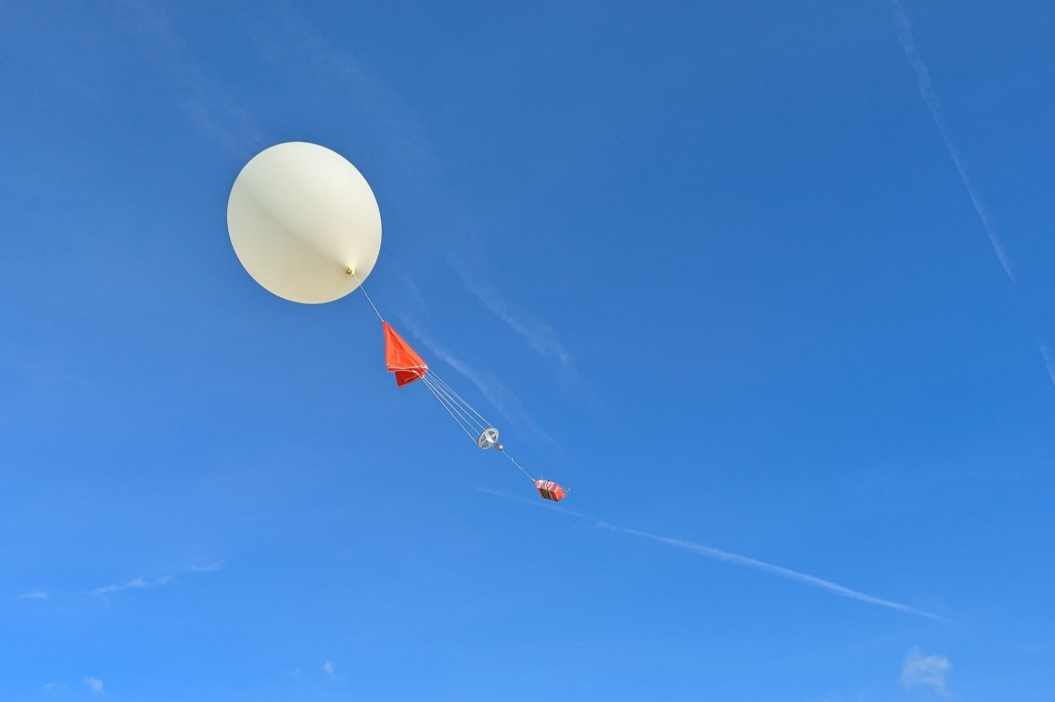
Weather balloon
Photo: University of Surrey

The impact was also recorded aboard commercial aircraft. A London-to-New York flight that departed during the event experienced a 46% increase in radiation exposure compared with normal background conditions.

Dr Ben Clewer, co-lead author and Space Weather Model Research Fellow at the Surrey Space Centre, University of Surrey, said the coordinated measurements provided an unusually detailed picture of the event.

The team received alerts from neutron monitors around the world before triggering balloon launches and monitoring incoming data from balloons, aircraft and ground-based sensors as the storm developed.

Researchers call for coordinated monitoring

The findings highlight the potential value of combining direct measurements within the atmosphere with the forecasting models currently used to assess radiation risks to aviation.

International advisory systems largely rely on model outputs informed by ground-based and space-based observations. The researchers argue that additional atmospheric measurements could help improve understanding of how radiation levels change across different locations and altitudes during extreme solar events.
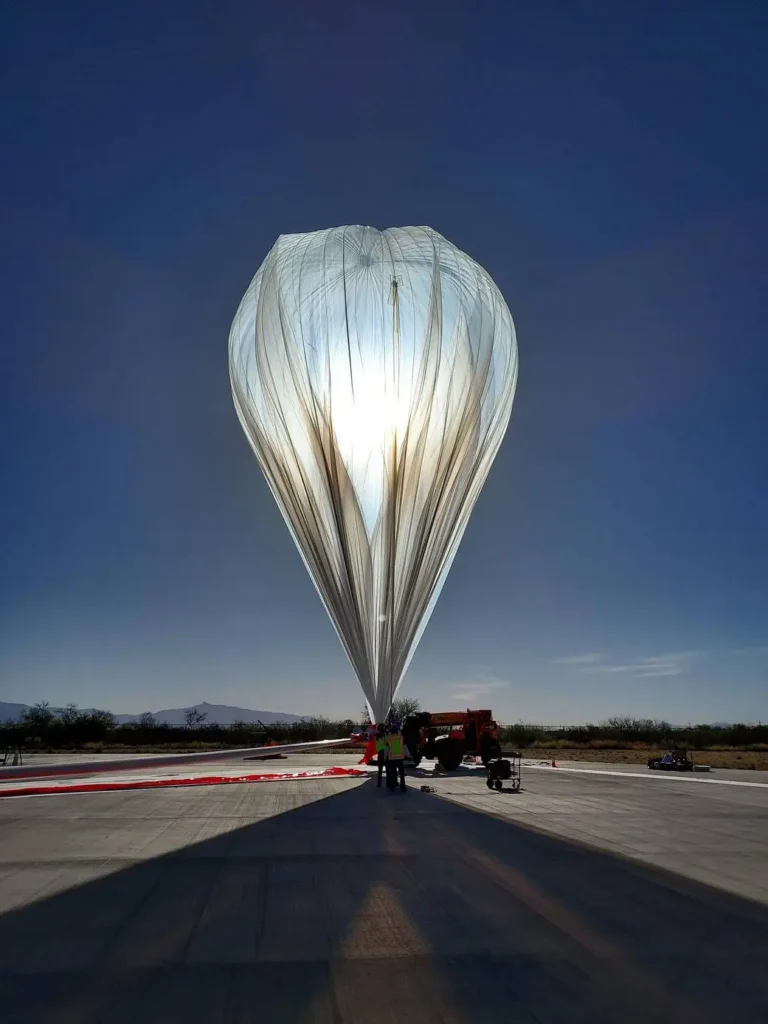
Improving Weather Data Using High-Altitude Balloons
Photo: NASA

Dr Fraser Baird, co-lead author from the Surrey Space Centre, said measurements from the first balloon launched in Lerwick revealed an unexpectedly intense radiation environment high in the atmosphere.

He added that the results demonstrated the geographical variability of solar radiation events and the importance of coordinated monitoring systems.

UK monitoring network provides new data

The project brought together researchers from the University of Surrey, the Met Office, the Royal Netherlands Meteorological Institute (KNMI), Lancaster University and international partners. The Met Office and KNMI contributed to the weather balloon launches.

The study also marks the first time a major solar radiation storm has been monitored using a UK-wide network of neutron monitors stretching from Cornwall to Shetland. According to the researchers, no comparable network of operational sensors existed in the UK a decade ago.
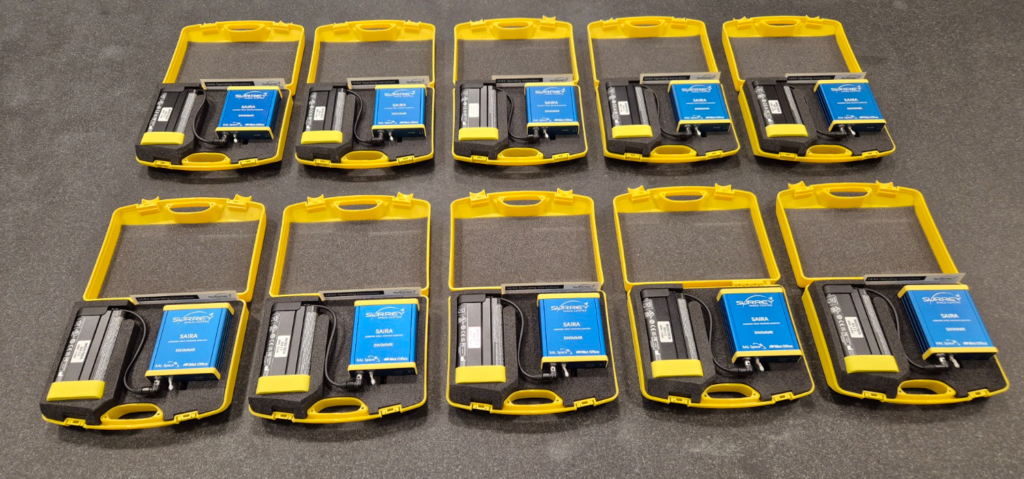
Solar Flare research kits
Photo: University of Surrey

Met Office Space Weather Manager Krista Hammond said the ground-based and balloon measurements would help scientists understand how space weather affects radiation levels throughout the atmosphere.

She said the observations represented a significant advance in scientific understanding and could contribute to improvements in space weather forecasting.

Implications for future aviation safety

The researchers say the findings could inform future developments in atmospheric radiation monitoring, particularly as airlines continue to rely on sensitive electronic systems and operate more flights along high-latitude routes, where radiation exposure can be greater.

The dataset offers an opportunity to assess how well existing forecasting systems capture radiation conditions during major solar events. Further improvements in monitoring and forecasting could help aviation authorities and operators make better-informed assessments of radiation risks during future disturbances.

Related

Rising airline jet fuel costs could affect UK aerospace investment and regional routes
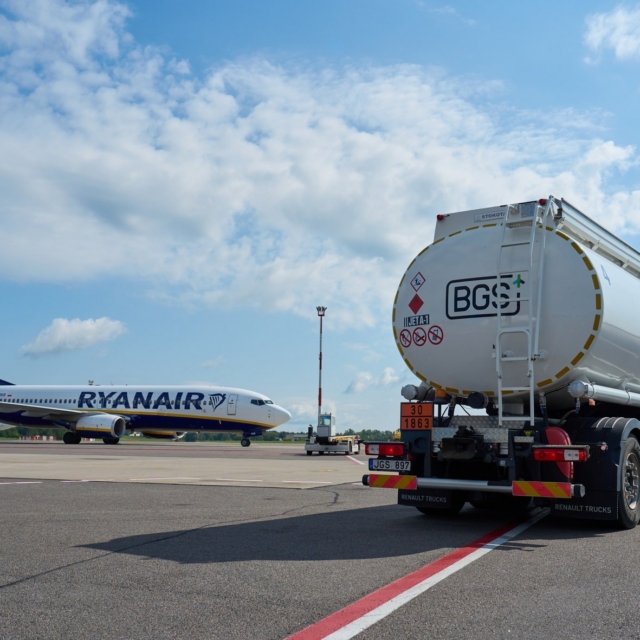
BGS extends fuelling partnership with Ryanair
Rising airline jet fuel costs could affect UK aerospace investment and regional routes
Higher airline fuel costs could affect aircraft investment, maintenance demand and UK regional air services, despite strong aerospace order backlogs.
Aerospace

21 Oct 2026

UK Government and industry to open job and training opportunities
Aerospace SME using AI to win defence contracts
UK Government and industry to open job and training opportunities
Young people are to benefit from thousands more routes into skilled careers in some of Britain’s fastest-growing industries, as government and businesses join forces to expand apprenticeships, work experience and training.
Aerospace Defence Security

21 Oct 2026

How will RAF Typhoons help defend Saudi Arabia from Houthi drones and missiles?
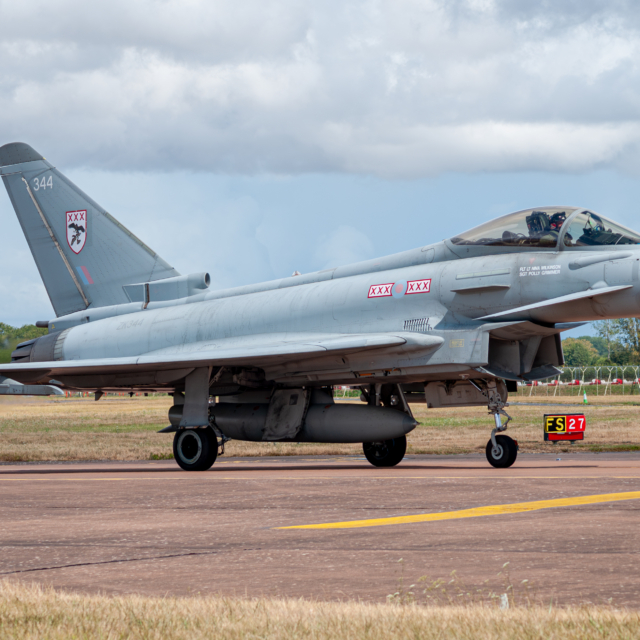
RAF Typhoon at RIAT 2025. Khalem Chapman
How will RAF Typhoons help defend Saudi Arabia from Houthi drones and missiles?
RAF Typhoon FGR4s will deploy to undertake defensive counter-air missions in support of Saudi Arabia, but how will the multi-role fighter be used to help counter rising Houthi drone and missile attacks?
Aerospace Defence Security

21 Oct 2026

UK Government and industry to open job and training opportunities
Aerospace SME using AI to win defence contracts
UK Government and industry to open job and training opportunities
Young people are to benefit from thousands more routes into skilled careers in some of Britain’s fastest-growing industries, as government and businesses join forces to expand apprenticeships, work experience and training.
Aerospace Defence Security

21 Oct 2026

How will RAF Typhoons help defend Saudi Arabia from Houthi drones and missiles?
RAF Typhoon at RIAT 2025. Khalem Chapman
How will RAF Typhoons help defend Saudi Arabia from Houthi drones and missiles?
RAF Typhoon FGR4s will deploy to undertake defensive counter-air missions in support of Saudi Arabia, but how will the multi-role fighter be used to help counter rising Houthi drone and missile attacks?
Aerospace Defence Security

21 Oct 2026

First Light Fusion selected by Dstl for landmark hypervelocity impact research programme
First Light Fusion
First Light Fusion selected by Dstl for landmark hypervelocity impact research programme
The Oxford-based company will generate data on how graphite behaves under extreme impact conditions, using facilities originally developed to support its fusion energy ambitions.
Defence Member News

21 Oct 2026

UK Space Agency opens £2m fund to bring satellite data into new markets
Satellite
UK Space Agency opens £2m fund to bring satellite data into new markets
UK businesses can partner with space suppliers to test satellite-enabled environmental and emissions services, with applications closing on 11 December.
Space

21 Oct 2026

Newquay could host twice-daily space flights under new plan
Aurora - Flight 61, Scout Space - High Altitude
Newquay could host twice-daily space flights under new plan
Spaceport Cornwall and Dawn Aerospace are exploring plans to bring reusable spaceplane operations to Newquay, with ambitions for twice-daily flights to the edge of space.
Aerospace Space

20 Oct 2026

Space war could emerge within five years as satellite threats grow, expert warns
United Kingdom backs new space strategy with £7.8 billion to counter orbital threats and strengthen satellite capabilities
Space war could emerge within five years as satellite threats grow, expert warns
A military conflict in space could emerge within the next five years as countries…
Security Space

20 Oct 2026

UK Government and industry to open job and training opportunities
Aerospace SME using AI to win defence contracts
UK Government and industry to open job and training opportunities
Young people are to benefit from thousands more routes into skilled careers in some of Britain’s fastest-growing industries, as government and businesses join forces to expand apprenticeships, work experience and training.
Aerospace Defence Security

21 Oct 2026

How will RAF Typhoons help defend Saudi Arabia from Houthi drones and missiles?
RAF Typhoon at RIAT 2025. Khalem Chapman
How will RAF Typhoons help defend Saudi Arabia from Houthi drones and missiles?
RAF Typhoon FGR4s will deploy to undertake defensive counter-air missions in support of Saudi Arabia, but how will the multi-role fighter be used to help counter rising Houthi drone and missile attacks?
Aerospace Defence Security

21 Oct 2026

More than 60 defence firms showcase export-ready capabilities at MOD-backed event
Image: MOD Crown Copyright
More than 60 defence firms showcase export-ready capabilities at MOD-backed event
International delegations from over 20 countries attended MES 26, where more than 60 British defence firms demonstrated military engineering capabilities spanning demining, force protection and survivability.
Defence Security

20 Oct 2026