Which UK aerospace jobs are hardest to fill in 2026?

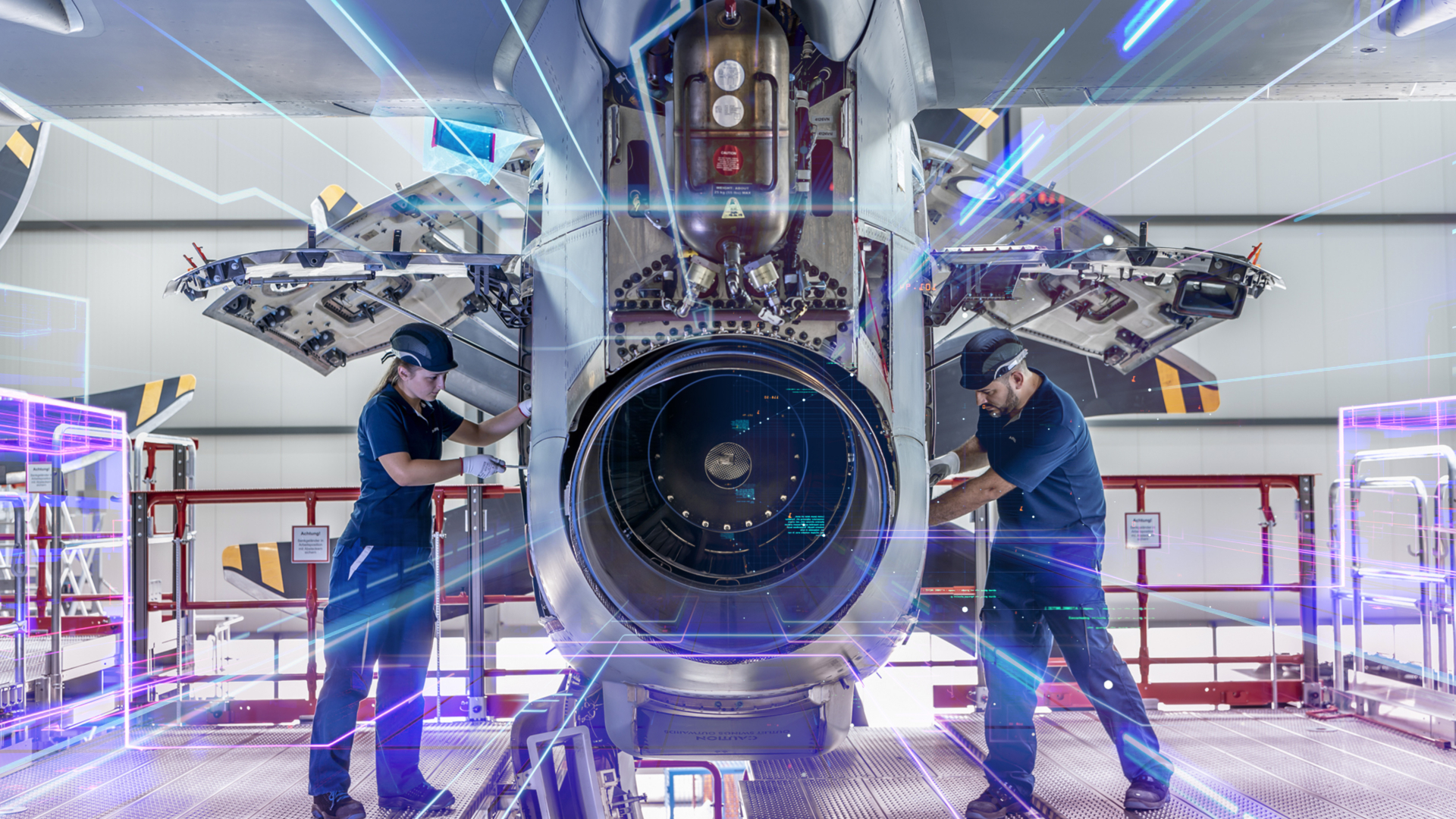
The UK aerospace industry is a global leader in aircraft design, engine manufacturing, advanced engineering, and aviation technology.
From commercial aircraft and military platforms to space systems and next-generation propulsion, the sector relies on highly skilled professionals to maintain its competitiveness. However, finding suitably qualified candidates remains a significant challenge for employers.
Skills shortages are particularly noticeable in positions requiring advanced technical knowledge, practical engineering experience and specialist qualifications.
Aircraft maintenance technicians, manufacturing engineers, avionics specialists, software engineers and experienced systems engineers can all be difficult to recruit, depending on the employer and location.
In 2026, UK aerospace trade association ADS reported persistent workforce and skills shortages among aerospace employers. Across aerospace, defence, security and space, the organisation identified an average of 10,000 unfilled technical vacancies annually. These challenges highlight the importance of attracting, training and retaining skilled workers.
So, which UK aerospace jobs are hardest to fill, why are employers struggling to recruit, and how can businesses address these shortages?
Why is aerospace recruitment difficult in the UK?
Aerospace recruitment presents unique challenges because the industry demands a combination of technical expertise, practical experience, and rigorous safety awareness. Several factors contribute to recruitment difficulties:
- Specialist skills shortages: Employers need expertise in propulsion, avionics, precision manufacturing, systems integration and software engineering.
- Industry competition: Aerospace companies compete with defence, automotive, energy, nuclear and technology businesses for skilled professionals.
- Training requirements: Some positions require specialist qualifications, professional registration, security clearance or approved maintenance licences.
- An ageing workforce: Experienced engineers and technicians hold valuable knowledge that can be difficult to replace when they retire.
- Geographical constraints: Aerospace employers are concentrated around particular manufacturing facilities, engineering centres and airports, potentially limiting the available local talent pool.
These pressures mean that even employers offering attractive salaries and long-term career prospects can struggle to find candidates with the right combination of skills and experience.
1. Aircraft maintenance technicians and licensed aircraft engineers
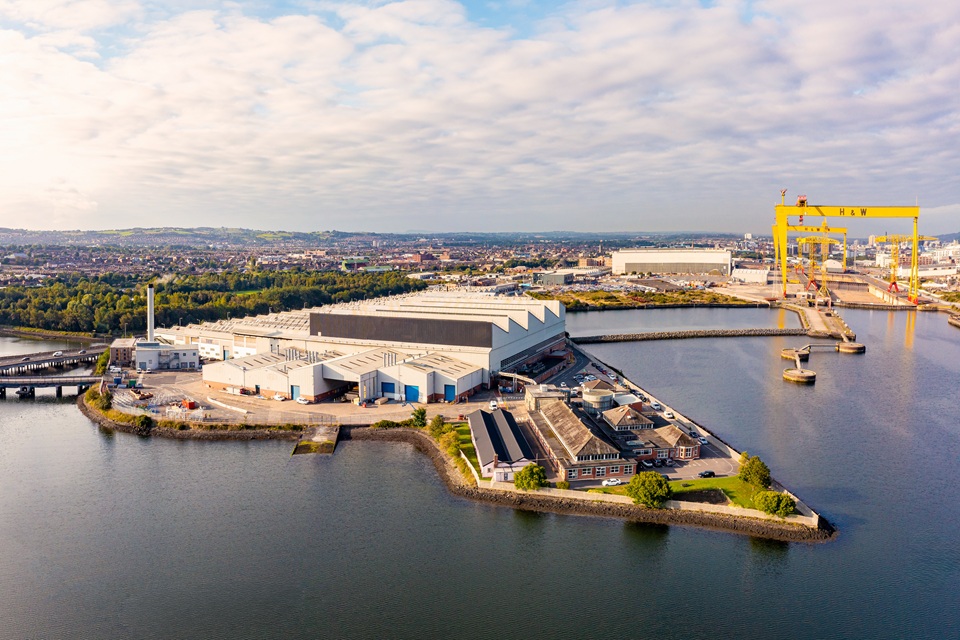
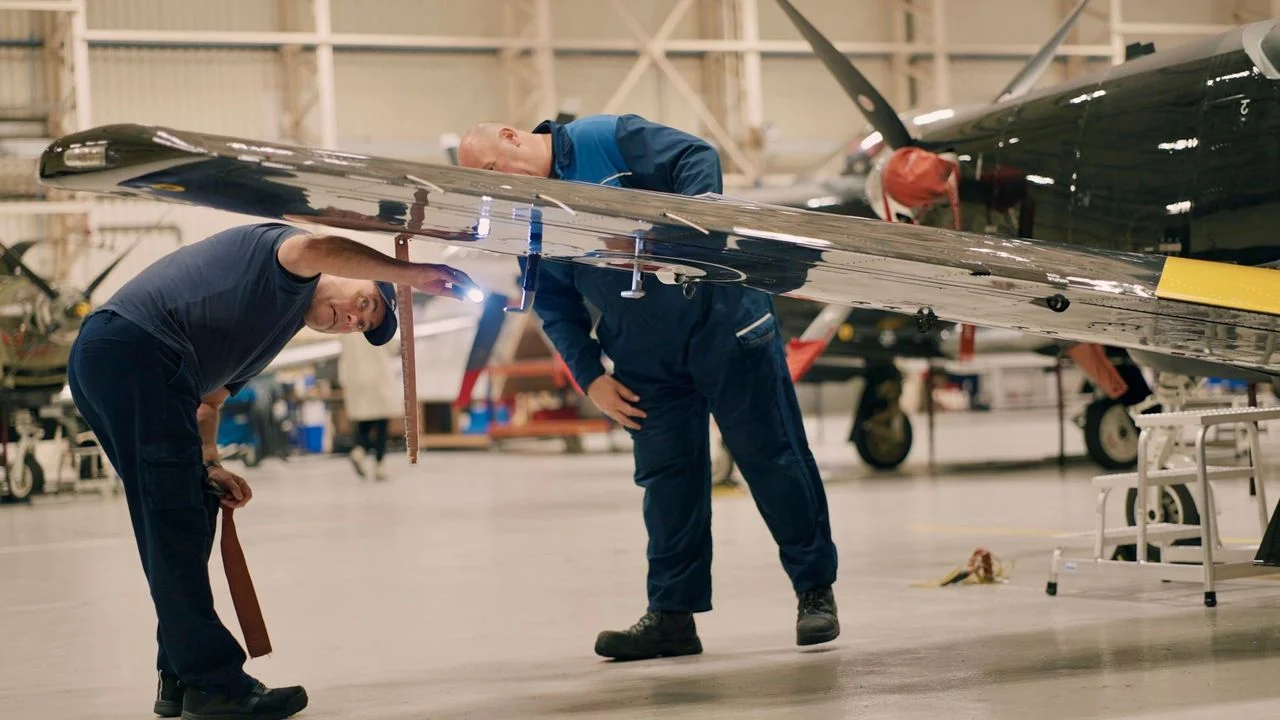
Aircraft maintenance professionals inspect, maintain and repair aircraft, helping ensure they remain safe and airworthy. Licensed aircraft engineers also carry out certification responsibilities within their authorised scope.
These positions can be particularly difficult to fill because they require technical knowledge, practical experience and, where applicable, relevant maintenance licences and aircraft-type qualifications.
Why are these roles difficult to fill?
Aircraft maintenance is a safety-critical discipline. Professionals must understand aircraft structures, engines, electrical systems and maintenance documentation while following strict regulatory procedures.
- Qualifications and practical competence take time to develop. Employers may also require technicians who can work shifts, respond to operational demands and complete maintenance within tight turnaround times.
- Airlines, maintenance, repair and overhaul (MRO) organisations and defence contractors all compete for suitably qualified personnel.
- Key skills include aircraft inspection, fault diagnosis, knowledge of mechanical and electrical systems, safety compliance and accurate technical documentation.
Employers can improve recruitment by investing in apprenticeships, structured training and progression pathways into licensed positions.
2. Aerospace manufacturing engineers
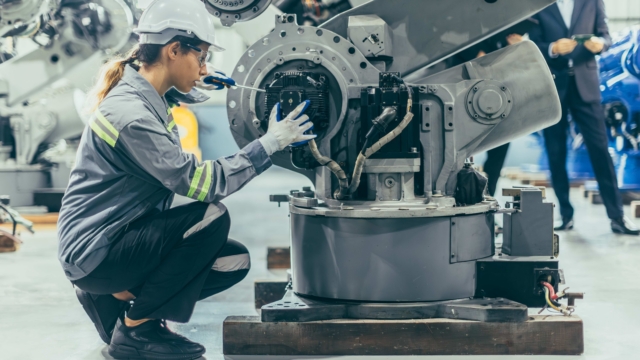
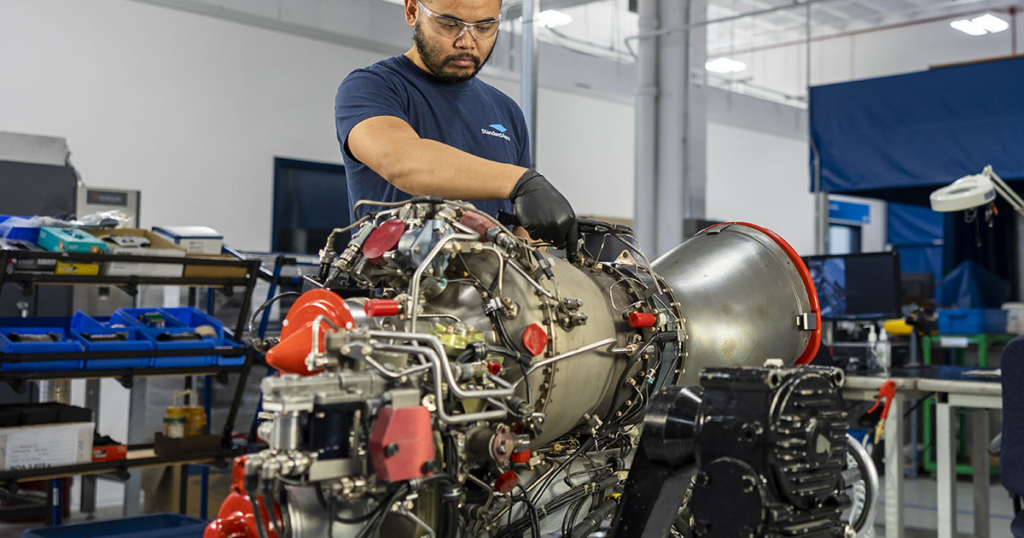
Manufacturing engineers turn aerospace designs into reliable, high-quality components and assemblies. They develop production processes, improve efficiency, resolve technical problems and ensure products meet demanding quality standards. Why are manufacturing engineers hard to recruit?
Aerospace manufacturing combines traditional engineering principles with sophisticated production technology. Employers often seek candidates experienced in machining, tooling, materials, automation, process validation, and continuous improvement.
Experience in regulated manufacturing environments is particularly valuable because aerospace components must meet precise specifications and undergo rigorous quality checks. Competition from automotive, energy, defence and other advanced manufacturing industries further reduces the available talent pool.
- Employers commonly seek expertise in:
- Lean manufacturing and continuous improvement.
- Computer-aided manufacturing and production planning.
- Precision machining and tooling.
- Robotics, automation and process optimisation.
- Quality management and technical problem-solving.
Manufacturing engineers who combine practical production knowledge with digital engineering expertise can be particularly attractive to aerospace businesses.
3. Electrical, electronics and avionics engineers
Electrical, electronics and avionics engineers are essential to modern aircraft. Their work supports navigation, communication, flight management, onboard power and aircraft monitoring systems.
Electrical engineers may specialise in power distribution and wiring, while electronics engineers work with sensors, embedded systems and control equipment. Avionics engineers focus on electronic systems used in aircraft.
Why are these roles hard to fill?
Modern aerospace systems require a combination of electronics knowledge, software awareness and safety-critical engineering experience.
Employers may need professionals who understand complex system integration, testing, reliability and certification requirements. Competition from automotive technology, telecommunications and electronics manufacturing adds further pressure.

Opportunities include aircraft electrical systems, avionics integration, flight control systems, embedded electronics and electrical power systems for more-electric aircraft.
As manufacturers explore electrification, improved connectivity and increasingly automated systems, electrical and electronics expertise will remain important to the sector.
4. Aerospace design and systems engineers
Design engineers and systems engineers transform technical requirements into aircraft, engines and integrated aerospace systems.
Design engineers may specialise in structures, mechanical components, propulsion, aerodynamics or materials. Systems engineers ensure that different components and subsystems work together safely and effectively.
Why are experienced engineers in demand?
Aerospace design requires more than creating technical drawings. Engineers must understand performance requirements, structural integrity, manufacturing constraints, testing and safety.
Systems engineers must also manage interactions between hardware, software, electrical equipment and mechanical components. This requires technical breadth, communication skills and the ability to manage complex engineering trade-offs.
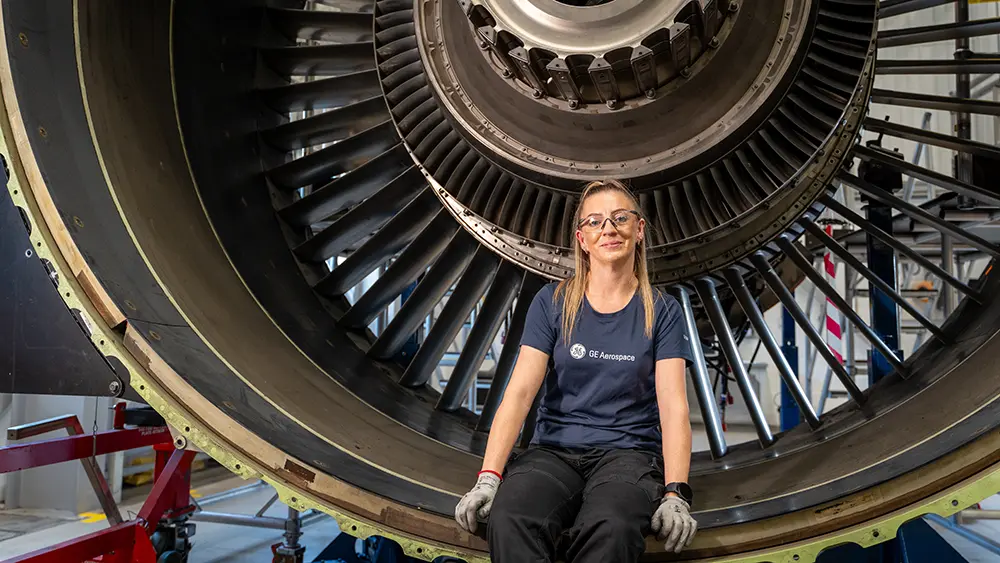
Employers particularly value candidates with experience of complete development programmes and an understanding of how design decisions affect manufacturing, certification and maintenance.
Valuable skills include computer-aided design, simulation, requirements management, systems modelling, verification and validation.
Graduate engineers can enter these professions, but senior positions often require substantial practical experience and knowledge of the wider engineering lifecycle.
5. Aerospace software engineers and embedded systems specialists
Software is becoming increasingly important across aerospace. Aircraft, engines, manufacturing facilities and satellite systems rely on sophisticated software to manage operations, monitor performance and process data.
Why is software talent difficult to attract?
Aerospace employers compete with technology companies, automotive manufacturers and financial services businesses for software professionals. Candidates specialising in embedded software, real-time systems, control algorithms and safety-critical development are particularly valuable.

Aerospace software development also requires an understanding of hardware constraints, system reliability and rigorous testing. Developers must ensure that software performs predictably in demanding operating environments.
Employers may seek experience in:
- Embedded C and C++ development.
- Real-time operating systems.
- Software verification and validation.
- Data analysis and simulation.
- Artificial intelligence and machine learning.
- Cybersecurity and secure software development.
Businesses that offer challenging projects, specialist training and clear career progression may be better positioned to attract software talent.
6. Aerospace quality engineers and quality assurance specialists
Quality engineers ensure aerospace products and manufacturing processes meet required specifications, customer expectations and regulatory standards. Their responsibilities include investigating defects, auditing suppliers, analysing production data and implementing corrective actions.
Why are quality roles difficult to fill?
Aerospace quality assurance requires more than general quality management experience. Employers frequently seek professionals familiar with aerospace standards, traceability requirements and detailed inspection procedures.
/i
Experience with non-conformance investigations, root-cause analysis, supplier quality and formal audits is particularly valuable. Quality specialists must communicate effectively with engineering, manufacturing and procurement teams while helping businesses maintain production schedules and customer commitments.
Employers should prioritise candidates with relevant quality management experience, analytical skills and familiarity with standards such as AS9100. Knowledge of inspection methods, statistical process control and corrective action procedures can also be advantageous.
7. Skilled aerospace technicians, machinists and welders
Aerospace recruitment challenges extend beyond graduate and professional engineering positions. Skilled technicians and craft workers are essential to manufacturing, assembly, inspection and maintenance.
These occupations include precision machinists, toolmakers, welders, engineering technicians and electrical fitters.
Why are practical engineering skills in short supply?
Many technical occupations require extensive hands-on training and experience. Workers must develop precision, technical judgement and familiarity with specialist equipment.
Aerospace employers may require technicians who can interpret engineering drawings, work to tight tolerances and understand material traceability and inspection requirements.
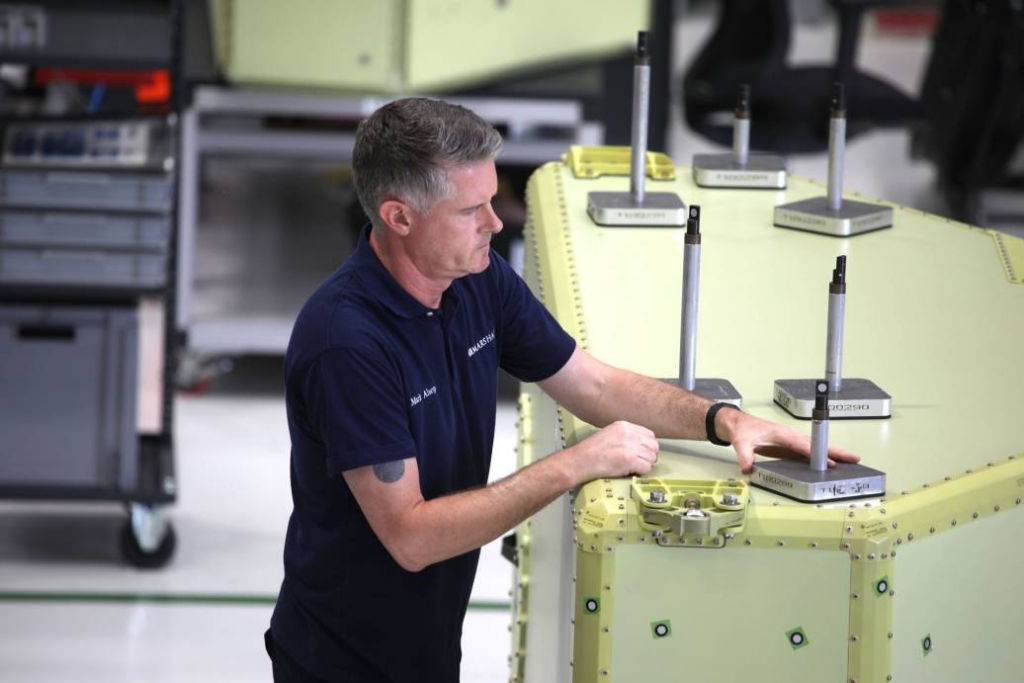
Certain welding, machining and electrical positions also require specific qualifications or experience with specialist materials and equipment.
Skills England has identified craft occupations, including welders, aircraft maintenance technicians and electricians, among difficult roles to fill in the defence sector. These findings are relevant to parts of the aerospace supply chain, although recruitment challenges vary between employers.
Apprenticeships, partnerships with colleges and structured workplace training can help develop future talent. Mentoring programmes also allow experienced technicians to pass specialist knowledge to younger workers.
How can UK aerospace employers overcome recruitment challenges?
- Addressing aerospace skills shortages requires a long-term approach rather than relying solely on external recruitment.
- Invest in apprenticeships: Apprenticeships provide practical experience while helping employers develop workers with the skills their businesses need.
- Improve employee retention: Competitive salaries, supportive management, flexible working where practical, and clear progression opportunities can help reduce turnover.
- Broaden recruitment strategies: Employers should consider candidates from adjacent industries whose skills can transfer into aerospace with appropriate training.
- Develop existing employees: Upskilling current staff can be more effective than repeatedly searching for candidates with rare combinations of experience.
- Strengthen educational partnerships: Working with schools, colleges and universities can raise awareness of aerospace careers and create sustainable talent pipelines.
- Review recruitment processes: Lengthy application procedures and unrealistic job specifications can discourage qualified candidates. Clear requirements and timely decisions help employers compete for talent.
The need to recruit today for tomorrow’s skilled workforce
The hardest UK aerospace jobs to fill often combine specialist technical knowledge, practical experience and demanding qualification requirements. Aircraft maintenance professionals, manufacturing engineers, avionics specialists, systems engineers, software developers, quality engineers and skilled technicians can all be challenging to recruit.
However, recruitment difficulties vary according to location, seniority, employer requirements and the wider labour market.
For aerospace businesses, the solution lies in combining effective recruitment with long-term workforce development. Apprenticeships, continuous training, competitive employment packages and stronger educational partnerships can help build a more sustainable supply of skilled professionals.
By investing in people and addressing the underlying causes of skills shortages, UK aerospace employers can strengthen their workforce, support innovation and remain competitive in an increasingly demanding global industry.
Sign up for our newsletter and get our latest content in your inbox.
Similar Reads

Sign up for our newsletter. Select all sectors relevant to you.
Related