UK seeks emergency Border Force cutters as ageing fleet faces service gap

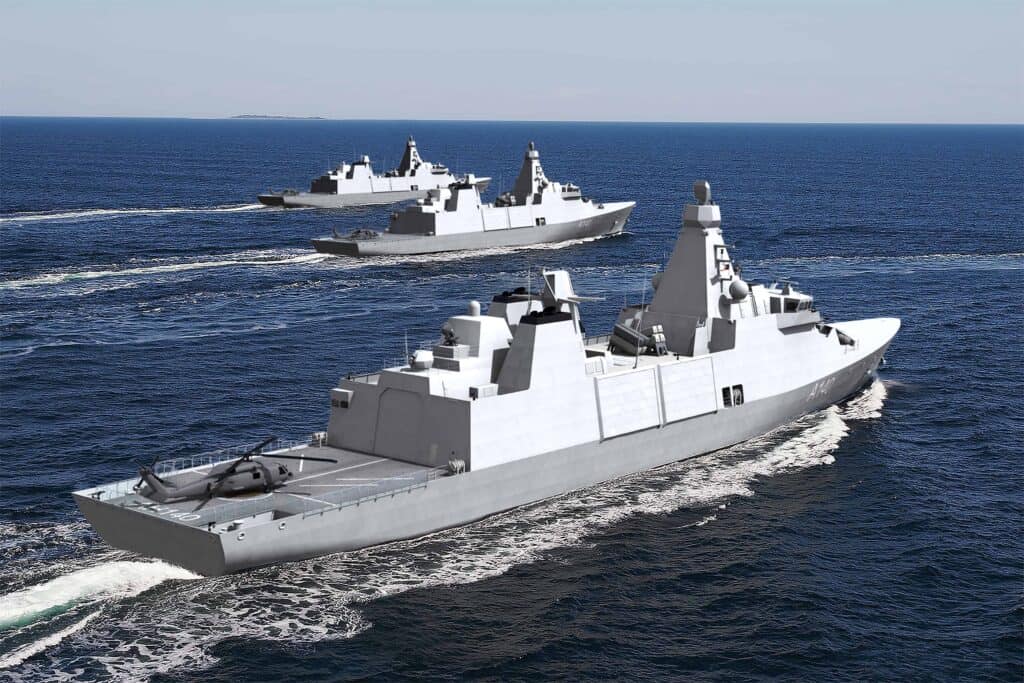
The UK Home Office is seeking two or three interim Border Force cutters after warning that its ageing patrol fleet could lose operational capability before replacement vessels enter service in 2032 at the earliest.
The move follows mounting reliability and maintenance problems affecting the existing fleet, with the government describing the situation as a “critical capability gap”.
According to a report published by Navy Lookout on 17 November, the Home Office has begun approaching potential suppliers for vessels that could remain in service for five years or longer while the permanent replacements are developed.

A government procurement notice confirms that the existing cutters are approaching the end of their operational lives and that their continued availability cannot be assured until the new fleet arrives.
“Continuing reliability, availability and maintenance challenges of the existing fleet have raised significant concerns regarding their ability to sustain operational requirements through to the introduction of the new fleet,” the Home Office was quoted by Navy Lookout.
It adds that existing cutter capability is expected to “reduce or cease” before vessels ordered under the Maritime Capability Replacement Programme (MCRP) become operational.
The Home Office is consequently examining short- to medium-term options for two or three cutters, potentially delivered in phases. The requirement is expected to cover at least three to five years, with the possibility of a longer arrangement.
The government has not yet selected a supplier or confirmed whether the interim vessels will be purchased, leased or provided through another arrangement.
Ageing fleet faces growing maintenance demands
The Border Force cutter fleet includes four Damen 4207 patrol vessels, HMC Seeker, Searcher, Vigilant and Valiant, which entered service between 2001 and 2004.
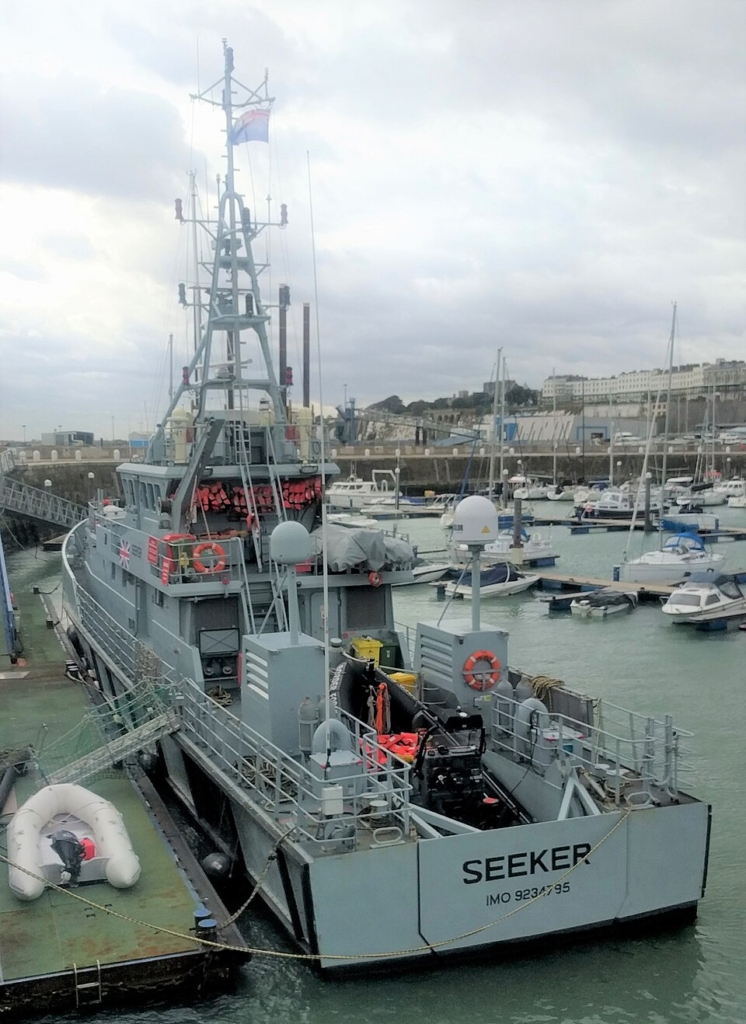
Each measures approximately 42.8 metres and is used for maritime law enforcement, border security and patrol operations in UK waters.
The cutters form part of a wider Border Security Command maritime fleet comprising five cutters and six coastal patrol vessels, supported by nine rigid-hulled inflatable boats and eight tactical watercraft, according to a separate Home Office procurement document.
It has also initiated market engagement for a maintenance contract worth an estimated £3 million to support its cutters.
The proposed contract covers planned maintenance, dry docking, recertification, modifications, upgrades and repairs to defects or damage.
Published on 14 October, the notice sets out an initial contract period from 1 May 2027 to 30 April 2028, with a possible extension until April 2030.
The government says the vessels remain in operational use around the UK and require regular maintenance and docking periods to retain their certification.
Navy Lookout also cited findings from an independent inspection showing the extent of previous availability problems.
During 2024, HMC Searcher was non-operational for 122 of the 246 days it was crewed because of maintenance, crew rotation and breakdowns. The corresponding figures were 71 days for Seeker, 60 for Valiant and 57 for Vigilant.
The inspection also identified a shortage of 46 personnel against an authorised establishment of 232 seagoing enforcement posts.
Replacement vessels not expected before 2032
The Maritime Capability Replacement Programme is intended to provide new vessels to replace the existing cutters.
However, the Home Office now says the replacements are not expected to enter service before 2032 at the earliest.
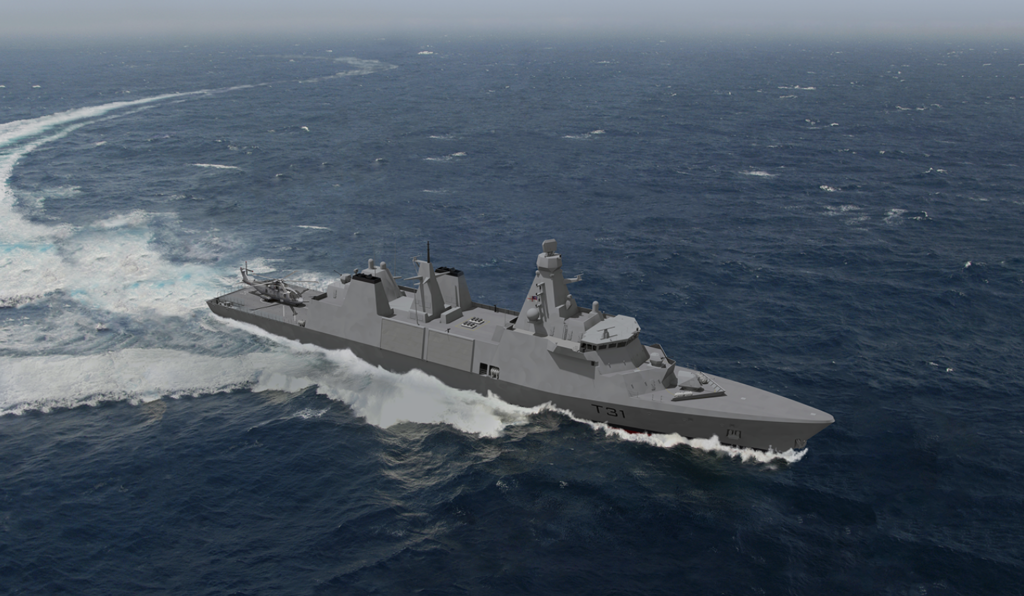
The interim procurement is intended to maintain maritime enforcement capability during the period between the declining availability of the existing fleet and the arrival of its successors.
The Home Office has invited suppliers to provide feedback on technical feasibility, possible solutions and their ability to deliver the required vessels.
Responses to the interim cutter market engagement are due by 27 November 2026. The procurement documents give indicative contract dates of November 2027 to June 2030, although these remain subject to change.
The department says further details of the requirement will be provided ahead of the formal tender stage.
UK shipbuilding policy under consideration
The procurement also comes as the government examines how public vessel orders can support the UK’s domestic shipbuilding industry.
Navy Lookout noted that Border Force cutters were excluded from the original 2017 National Shipbuilding Strategy but were subsequently included in the 2022 strategy refresh, which outlined a long-term pipeline of naval and civilian vessel orders.

The Home Office’s latest procurement documents refer to Procurement Policy Note 025, which concerns the treatment of shipbuilding in public procurement.
The department says it is assessing the policy’s applicability and will take the outcome into account when developing the procurement.
No decision has been announced on where the interim cutters will be built or whether UK shipyards will be involved.
The Home Office is continuing its supplier engagement while preparing both the interim vessel requirement and a separate maintenance arrangement to support the existing fleet.
Sign up for our newsletter and get our latest content in your inbox.
Similar Reads




Sign up for our newsletter. Select all sectors relevant to you.
Related