Airlines could be paid to change flight paths under world-first UK contrail avoidance scheme

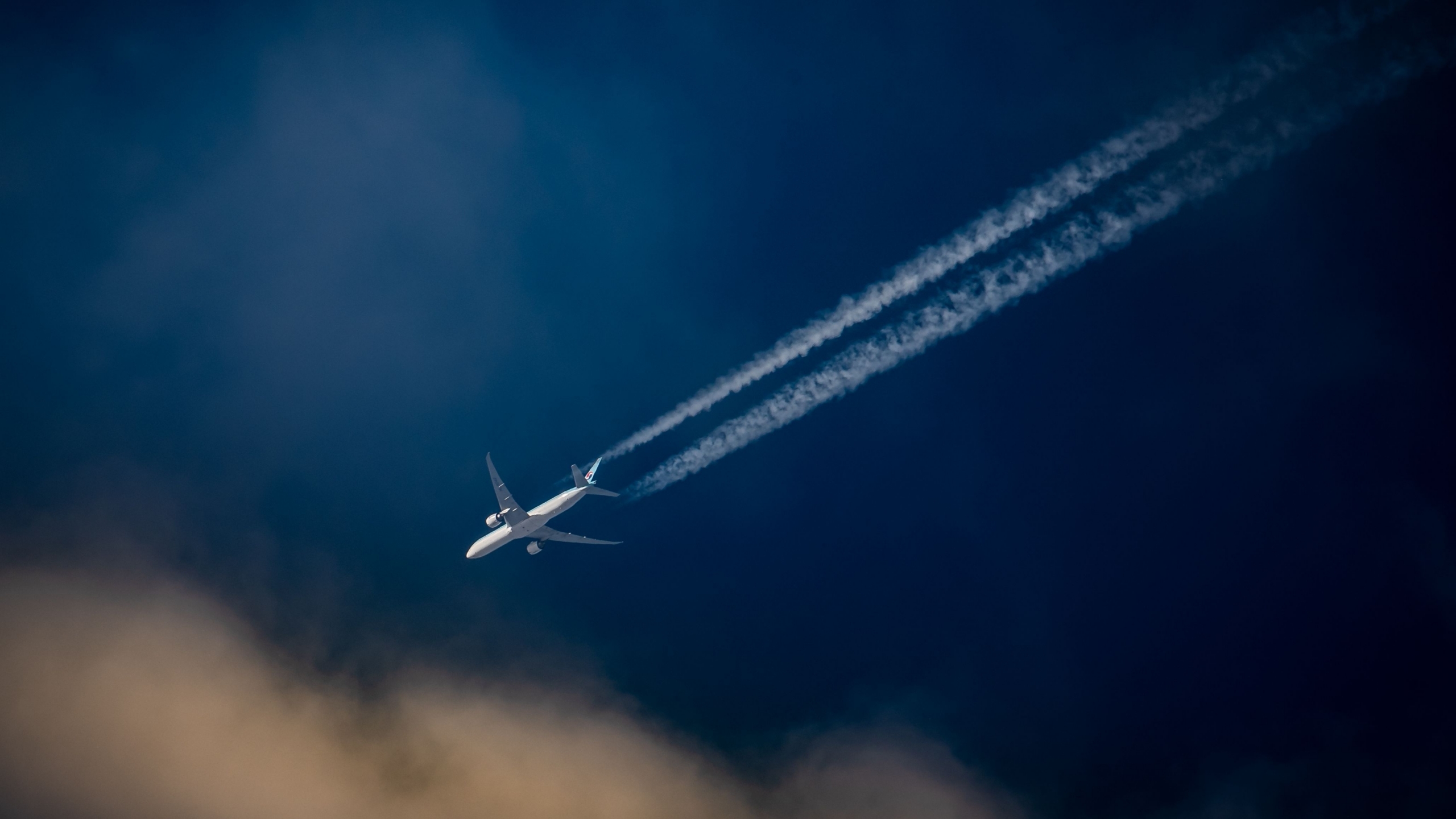
Airlines could receive a rebate for rerouting flights to avoid climate-warming contrails under a University of Cambridge proposal for UK-administered airspace. The roadmap, released during COP31 on 18 November, suggests that airlines pay a fee if they fly through a forecast risk area without filing an avoidance plan and a post-flight review finds that conditions along their route favoured persistent, warming contrails.
The Aviation Impact Accelerator proposes adding the fee and rebate to existing airspace charges, with a possible start in Shanwick oceanic airspace from 2030. A separate service charge on every flight in UK-administered airspace would help cover the scheme’s running costs and repay airlines for extra fuel burned on approved avoidance flights.
The process would start with a forecast flagging a flight’s planned route. The operator could file an alternative, typically involving a small climb or descent. Cambridge’s study found that a 2,000 ft change in altitude, either up or down, would be sufficient in most cases. Air traffic control would decide whether to clear it. After the flight, the scheme would compare the route flown with the original plan and assess where the conditions for a warming contrail actually occurred.
What an airline would pay or receive for contrail avoidance
Airlines that fly an approved reroute would be reimbursed for any extra fuel they burn, even if the forecast turns out to be wrong or the aircraft still crosses the contrail-forming layer. That protects operators from the fuel cost of following an approved plan when a forecast misses. They would earn a separate rebate of airspace charges if a post-flight assessment found that the layer was present on the original route and the reroute avoided it.
Airlines would be exempt from the proposed contrail charge if air traffic controllers could not clear the reroute or directed the aircraft back through the contrail-forming area.
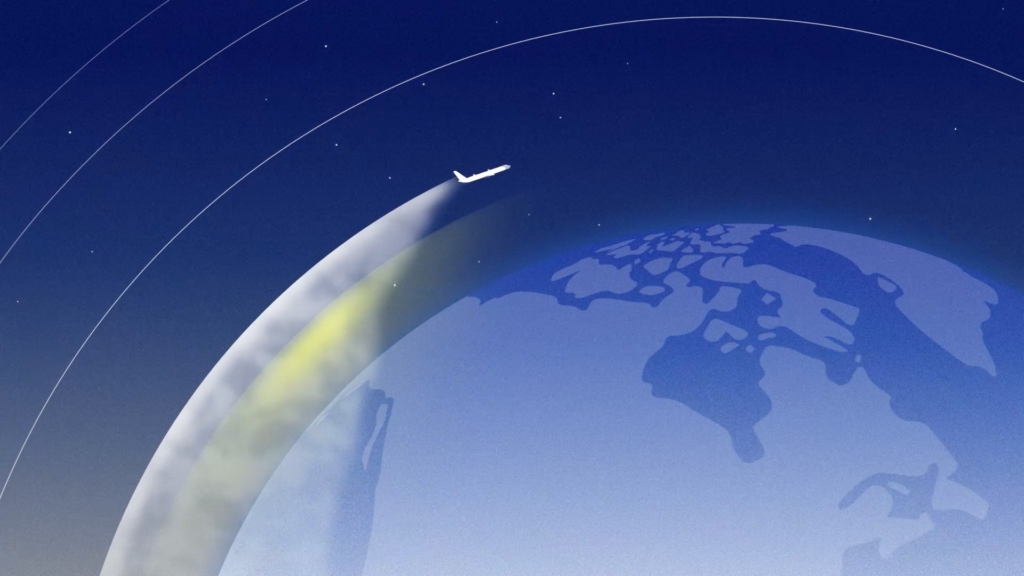
An airline would pay the proposed contrail charge if it flew through an area flagged by the forecast without filing an avoidance plan and a post-flight review confirmed that conditions there favoured persistent, warming contrails.
The roadmap also considers applying a fee where the operator leaves the cleared avoidance level and re-enters the region. Flights that receive no forecast flag fall outside the fee-and-rebate assessment.
The researchers propose repaying the full cost of extra fuel through 2035, then tapering reimbursement to zero by 2040. The fees would fund rebates for verified avoidance. The separate service charge would spread the cost of fuel repayments and the rest of the scheme’s operating costs across airspace users.
Trials will inform the decision
As Advance reported in August, the £5 million Operation Blue Skies programme is designed to test smaller altitude changes in NATS-controlled Shanwick airspace. Testing is scheduled across the winters of 2026–27 and 2027–28. The Met Office is developing forecasting capability, and NATS will manage the trials using established air traffic control procedures.
Cambridge recommends that ministers add contrail forecasts to the Met Office’s standard aviation data, develop a voluntary standard for flight-planning software, and keep a charging option open in the next NATS price control, due to be settled in late 2027. The researchers also want the government to commission a legal opinion on the basis for charging.
Cambridge has suggested a timetable for the proposed rollout, starting in Shanwick, followed by Scottish airspace from 2032 and London airspace from 2034.
Sign up for our newsletter and get our latest content in your inbox.
Similar Reads

Sign up for our newsletter. Select all sectors relevant to you.
Related