Advancing UK Aerospace, Defence, Security & Space Solutions Worldwide
  • Home
  • /
  • Aerospace
  • /
  • Airbus begins assembly of first future ‘eco-wing’ prototype at Filton

Aerospace

Airbus begins assembly of first future ‘eco-wing’ prototype at Filton
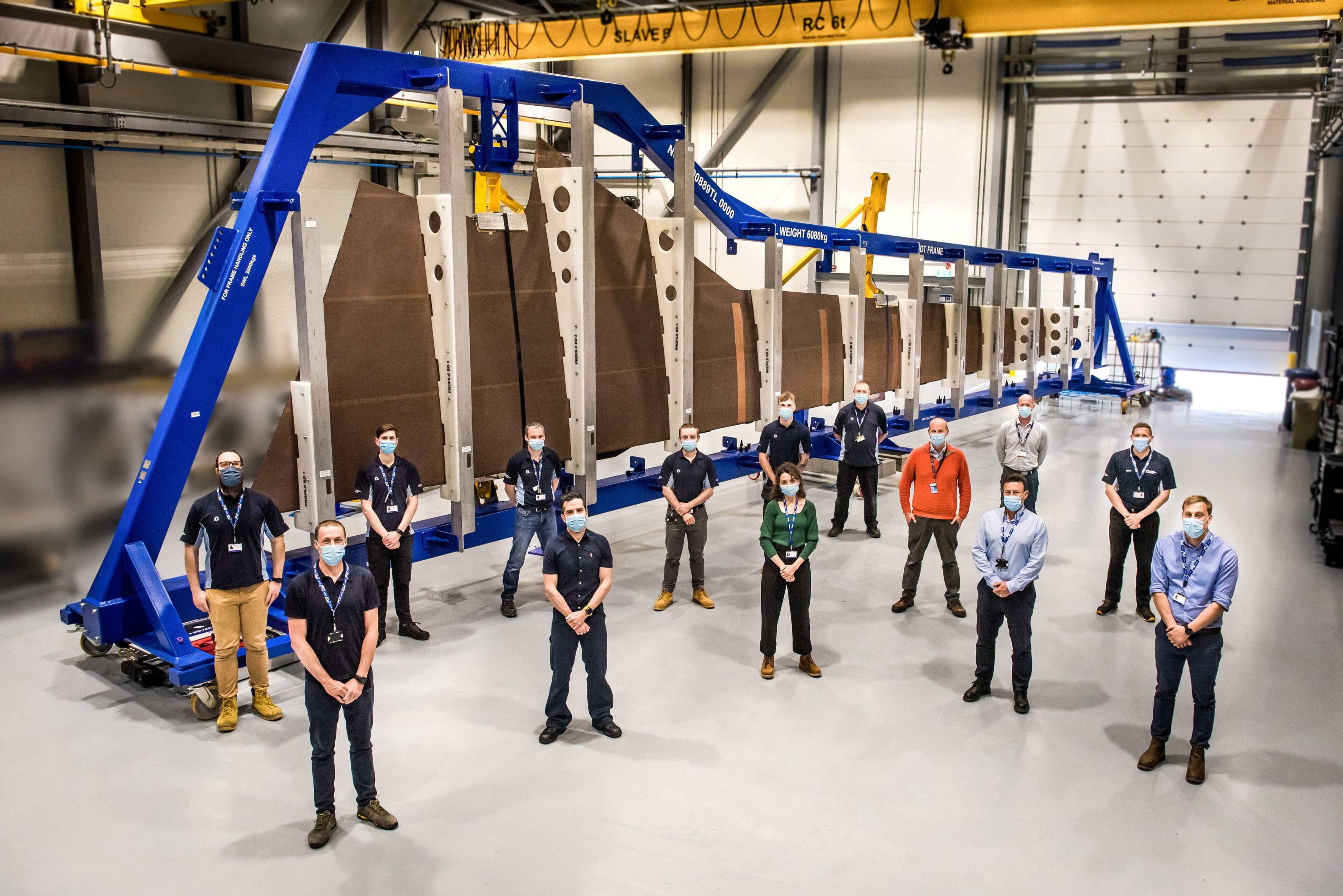
A major Airbus research and technology programme - Wing of Tomorrow - has reached a key milestone with the assembly of its first full-size wing prototype at Filton near Bristol.

Above: Fully integrated composite wing cover, manufactured within the National Composite Centre, prior to delivery to Airbus in Filton for sub-assembly.
Copyright Airbus

The Wing of Tomorrow programme will not only test the latest composite materials and new technologies in aerodynamics and wing architecture but, importantly, explore how wing manufacturing and industrialisation can be improved to meet future demand as the sector emerges from the pandemic.

Advertisement
ODU RT

Three full-size prototype wings will be manufactured in total: one will be used to understand systems integration; a second will be structurally tested to compare against computer modelling, while a third will be assembled to test scaling-up production and compare against industrial modelling.

Sabine Klauke, Airbus Chief Technical Officer, said: “Wing of Tomorrow, a crucial part of Airbus’ R&T portfolio, will help us assess the industrial feasibility of future wing production. High-performing wing technology is one of several solutions - alongside sustainable aviation fuels and hydrogen - we can implement to contribute to aviation’s decarbonisation ambition. Wing of Tomorrow is also an example of how large-scale industry collaboration will be critical to achieving our sector’s agenda for a more sustainable future.”

Wing of Tomorrow, part-funded by the UK’s Aerospace Technology Institute, is a fully transnational Airbus programme involving global partners and teams across Airbus’ European sites, including Bremen in Germany, where the ‘Wing Moveables’ team is based. The three wing demonstrators will bring together more than 100 new technologies to explore new manufacturing and assembly techniques with the goal of making aviation more sustainable.

Sub-assembly of the complex wing cover took place at Airbus’ Filton site, England, having been manufactured at the National Composite Centre in Bristol. The wing cover and a major component from GKN Aerospace - the Fixed Trailing Edge - were delivered to the Advanced Manufacturing Research Centre, Wales, facility on Airbus’ wing-production plant in Broughton, Flintshire, for assembly to begin.


Advertisement
ODU RT


Advertisement
General Atomics LB
May

Aerospace

May's air passenger demand down whilst air cargo demand rises

30 June 2026

International Air Transport Association (IATA) data for May 2026 global passenger demand revealed that air passenger demand fell by 2.2% and air cardo rose by 6.0%, compared to May 2025 levels.

SAS orders 18 A330neo aircraft

Aerospace

SAS orders 18 A330neo aircraft

30 June 2026

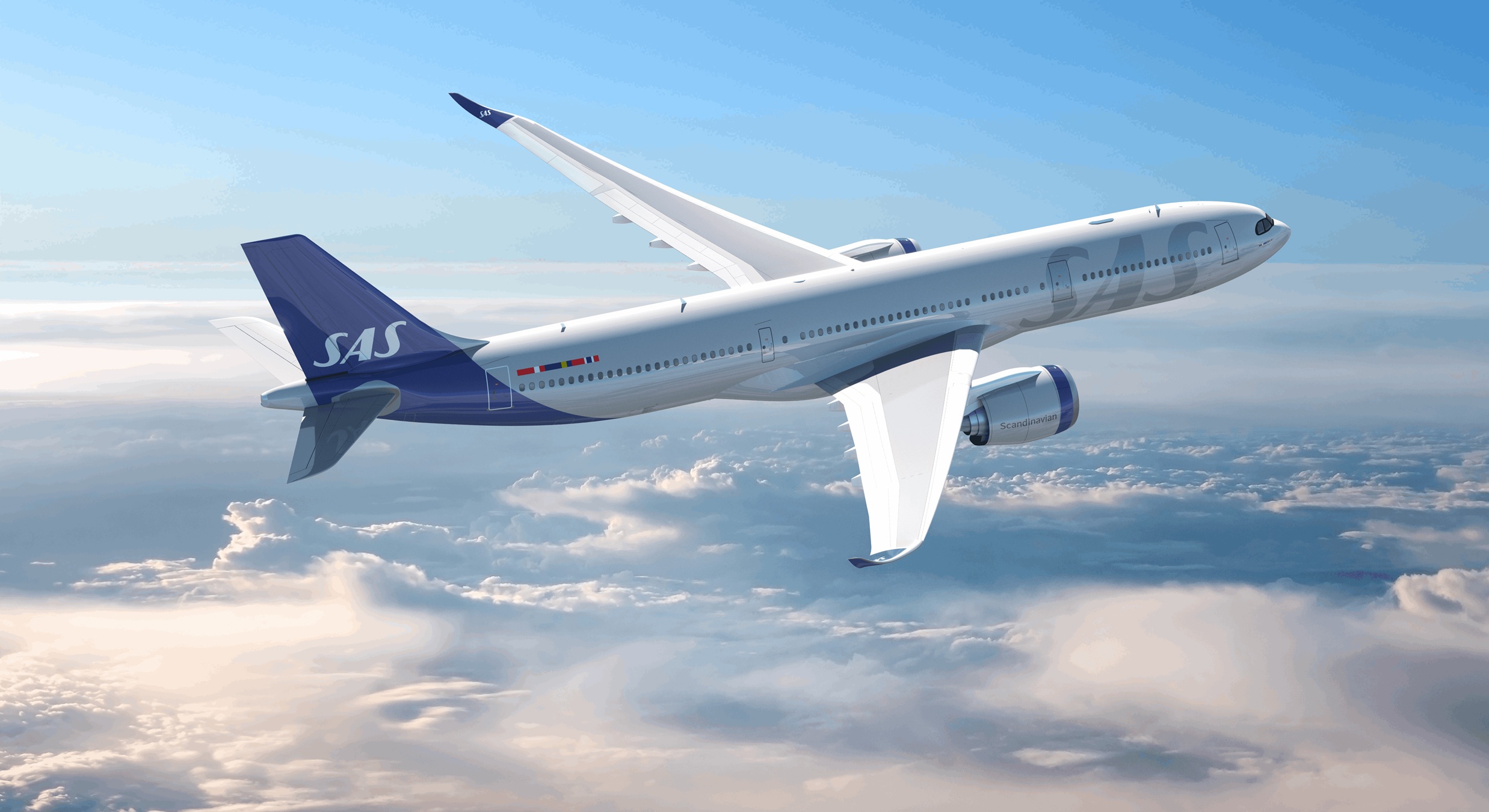
Scandinavian carrier SAS has placed a firm order with Airbus for 18 A330-900 aircraft powered by Rolls-Royce Trent 7000 engines, as part of its ongoing fleet renewal strategy.

London City Airport appoints Jonathan Rayner as COO

Aerospace

London City Airport appoints Jonathan Rayner as COO

30 June 2026

London City Airport has today announced the appointment of Jonathan Rayner as its new Chief Commercial Officer (COO) and a member of the Executive Committee.

ADS sees aircraft deliveries up 45%

Aerospace

ADS sees aircraft deliveries up 45%

30 June 2026

ADS has reported that commercial aircraft orders and deliveries have surged during May 2026, with aircraft deliveries seeing a 45% increase compared to May 2025.

Advertisement
ODU RT
CAA warns of risks posed by incorrectly packed batteries

Aerospace Security

CAA warns of risks posed by incorrectly packed batteries

26 June 2026

Ahead of the big summer getaway where over 60 million people are expected to be flying, the UK Civil Aviation Authority (CAA) is telling all passengers to 'pack right for a safe flight' by taking their batteries in the cabin with them.

University of Bristol study looks at reducing vertical air taxi noise

Aerospace

University of Bristol study looks at reducing vertical air taxi noise

25 June 2026

The University of Bristol has published a study in Applied Acoustics this week, showing how landing pad design could reduce noise for vertical air taxis.

Advertisement
ODU RT
Advertisement
FIA2026 animated banner