

Airspace modernisation consultation to transform Scottish skies


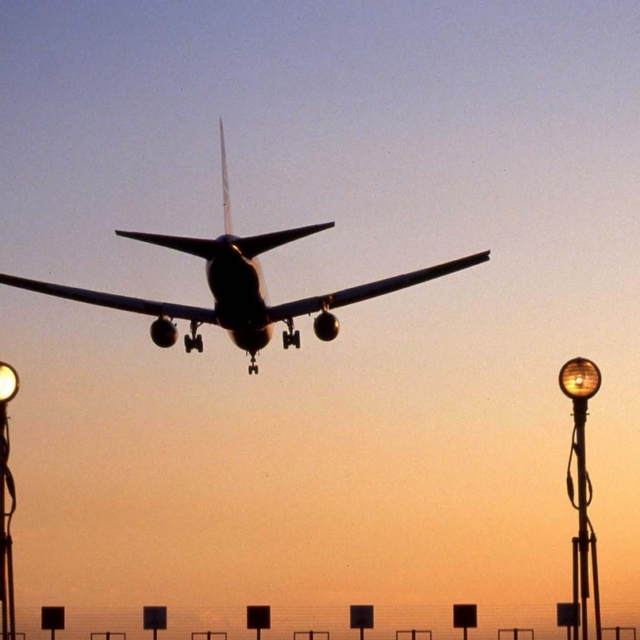
Image by Oleg Elkov / copyright Shutterstock
Scottish Airspace Modernisation is a coordinated change proposal in Scotland between Edinburgh Airport, Glasgow Airport and NATS. Edinburgh Airport and Glasgow Airport are both responsible for the modernisation of their departure and arrival routes below 7,000ft and NATS is responsible for connecting these routes into the higher-level airspace network above. It is part of a nationwide programme, required by Government policy and the Civil Aviation Authority’s Airspace Modernisation Strategy, to enable airspace quicker, quieter and cleaner flights within the UK.
Keir Mather, Minister for Aviation, Maritime, and Decarbonisation said: “We are fast-tracking airspace modernisation to deliver more reliable, efficient and greener flights, while giving passengers greater choice and a better experience. It is fantastic to see Scottish airports and NATS reach this important milestone.
“Airports across the UK will be following in Scotland’s footsteps as we drive forward our plans for a modern aviation sector to support jobs, grow the economy and improve passenger experiences.”
The proposed changes focus on an area of approximately 61,000 km² that handles more than 200,000 flights annually. Modernising will enable a reduction of 18,000 tonnes of CO2e each year from deployment – approximately the emissions from the energy used by 5,000 households. More direct routing will save 79,000 nautical miles of flying a year – equivalent to flying 3.5 times around the world, or roughly 30 minutes of flight time saved each day.
To deliver this coordinated change, the Airspace Change Organising Group (ACOG) have prepared a single strategic plan called the Airspace Change Masterplan to improve efficiency, capacity and environmental performance of UK airspace.
Airspace is made up of a complex route network. Like motorways on the ground, these routes in the sky keep airspace users flying safely from point A to point B. However, much of the UK’s airspace was designed in the 1950s, when there were fewer flights and navigation technology was far less sophisticated. Today’s modern aircraft still fly these outdated routes, meaning they often fly further and longer than they need to. Airspace modernisation harnesses modern technology to make the route network more efficient, so that the airspace – part of the UK’s critical national infrastructure – is fit for today’s needs and ready for the next generation of aviation.
Below 7,000 ft, changes are proposed to the departure and arrival procedures at both airports, delivering a reduction in emissions per flight and reducing the overall adverse effects of noise for local communities by enabling continuous climb and descent. From 7,000ft to 25,500ft, NATS is proposing to introduce systemisation – the redesign of airspace into structured flight paths to improve efficiency, streamline the role of air traffic control and increase capacity, including making the airspace more accessible for a range of airspace users. These changes will integrate with Free Route Airspace, introduced in Scotland in December 2021, which allows airlines to fly their preferred routes above 25,500ft. This flexibility is a key driver in cutting fuel burn and CO2e emissions.
Lee Boulton, Head of Operations Development at NATS, said: “Above 7,000ft, Scottish airspace is among the busiest in the UK, handling over 40% of UK traffic. With demand expected to rise over the next decade, airspace modernisation will help ensure the network can meet future needs by enabling more direct routes while reducing emissions per flight. We encourage stakeholders to share their views through the consultation, so all voices are heard in shaping the proposals.”
Gordon Dewar, Chief Executive of Edinburgh Airport, said: “The modernisation of our skies has been needed for some time and the proposals we’re presenting have been shaped through our engagement and discussion with our local communities and our partners across various industries and sectors. We know this is a complex topic and the consultation period will allow us to continue that engagement and explain the potential benefits for communities, the airport and the environment, while maintaining an open dialogue.”
Mark Beveridge, Managing Director of Glasgow Airport, said: “We’ve collaborated with a range of stakeholders to shape these proposals and are pleased to now present them publicly, inviting further input from our communities, their representatives and other interested parties. Our proposals aim to reduce the total adverse effects of noise from aircraft, improve capacity and minimise delays and lower emissions per flight through more direct routing. We look forward to engaging in detailed discussions at our upcoming events and webinars over the coming weeks and months,”
Mark Swan, Head of ACOG, said: "This consultation marks a significant milestone in the national programme of airspace change, with Scotland at the vanguard of the programme. ACOG has worked closely with Edinburgh, Glasgow and NATS to integrate their proposals into one vision for modernised airspace and it’s now important this plan aligns with stakeholder needs. Airspace is critical national infrastructure which drives Scotland and the UK’s economy, by enabling tourism, business and trade. Upgrades will enhance the efficiency of this infrastructure, to reduce passenger delays, lower emissions per flight and prepare for potential future growth.”
Community representatives and residents in the areas affected are invited to submit responses via the online consultation portal. Edinburgh Airport, Glasgow Airport and NATS
are also holding a range of webinars and in-person events across Scotland during the consultation period. These sessions will present the proposals to local communities, local representatives, airspace users, businesses, MPs and MSPs. They offer an opportunity for stakeholders to ask questions, get answers from subject matter experts and gather the information they need to give informed feedback on the consultation.
To find out more about Scottish Airspace Modernisation and submit a response, visit: www.scottishairspacemodernisation.co.uk
This consultation runs until 23:59hrs on the 25th January 2026.
Sign up for our newsletter and get our latest content in your inbox.
Similar Reads


Sign up for our newsletter. Select all sectors relevant to you.
Related