Why the British-built TSR2 still fascinates aviation enthusiasts

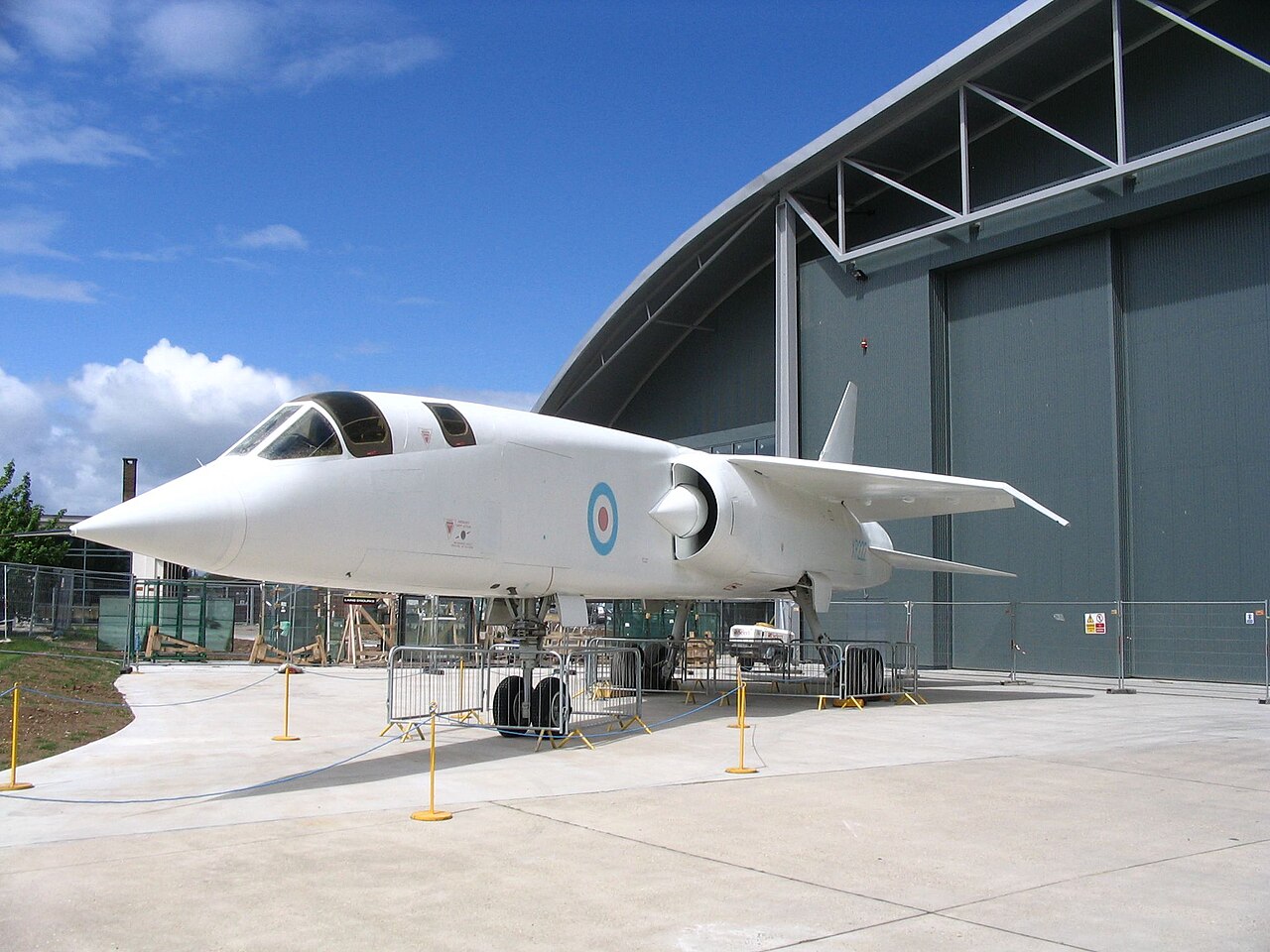
Few British aircraft have inspired as much fascination, debate and nostalgia as the British Aircraft Corporation (BAC) TSR2. Designed during the Cold War, this supersonic strike and reconnaissance aircraft promised to deliver a formidable combination of speed, precision and technological sophistication.
Yet, despite its enormous potential, the TSR2 never entered operational service. Its cancellation in 1965 transformed it from an ambitious military project into one of aviation history’s most enduring “what if?” stories.
For enthusiasts, the TSR2 represents both the ingenuity of British aerospace engineering and the consequences of political decisions, escalating costs and changing military priorities.
An ambitious design for the Cold War
The TSR2 was conceived to replace the Royal Air Force’s ageing English Electric Canberra. In the 1950s, advances in radar and surface-to-air missile technology made low-level penetration and high speed increasingly important for combat aircraft. The RAF wanted a machine capable of flying at supersonic speeds at altitude, skimming over the terrain at low level and delivering conventional or nuclear weapons with considerable accuracy.
Selected for development in 1959, the aircraft was designed by Vickers-Armstrong and English Electric, which subsequently became part of the newly formed British Aircraft Corporation.
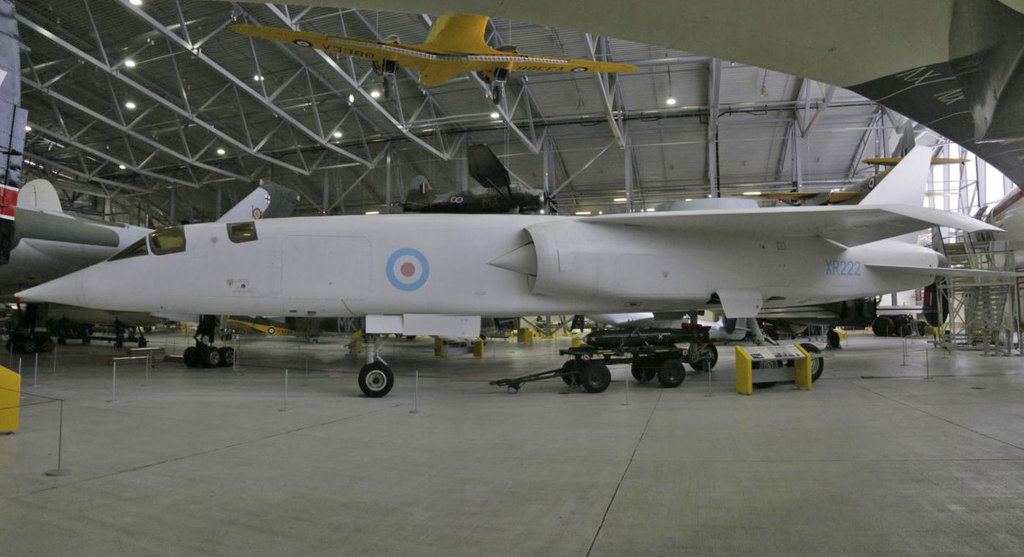
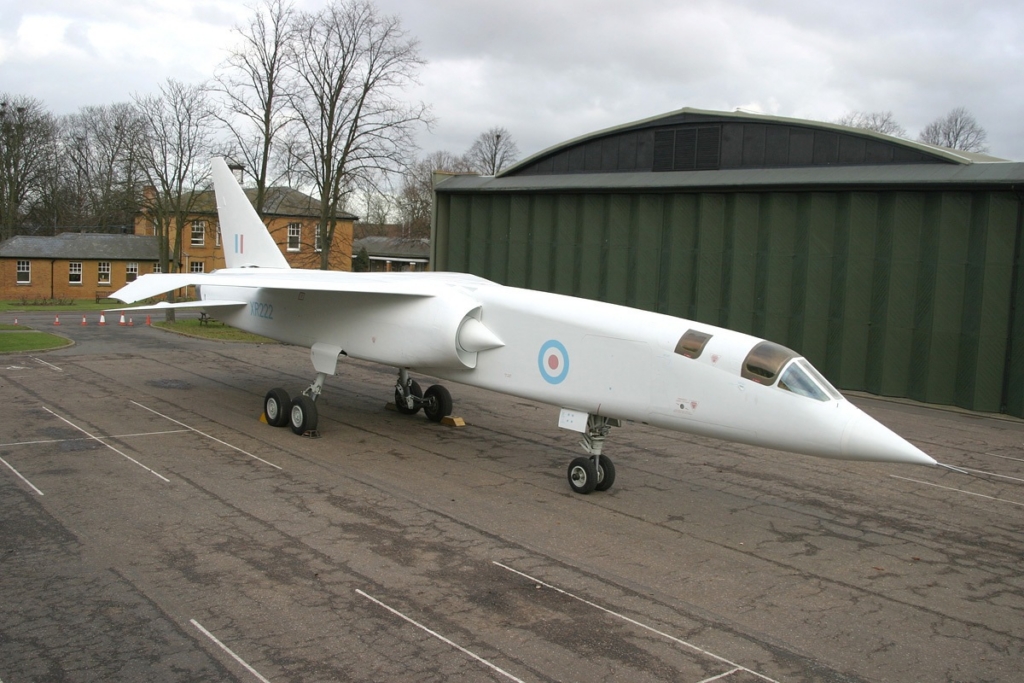
Its appearance remains striking. A long, slender fuselage, small delta wing with distinctive drooping tips and two powerful Bristol Siddeley Olympus engines gave the TSR2 a purposeful, futuristic profile. Its design prioritised high-speed performance while incorporating an undercarriage intended to accommodate rough airstrips.
The aircraft was equally ambitious inside. Advanced navigation and attack systems, terrain-following capability and sophisticated reconnaissance equipment were intended to allow crews to operate effectively in difficult weather and at very low altitudes. The TSR2 was not simply a fast aeroplane, but it was conceived as an integrated weapon system.
A brief and troubled history
The prototype TSR2 (serial number XR219) made its maiden flight from Boscombe Down on 27 September 1964, piloted by Roland Beamont with Don Bowen as navigator. Initial development flights revealed technical difficulties, including engine and undercarriage problems, but the aircraft showed considerable promise. In February 1965, it achieved supersonic flight.
However, development was expensive and complex. Delays, rising projected costs and disagreements over Britain’s future defence requirements placed the programme under increasing pressure. The government also considered alternative approaches, including purchasing American aircraft.
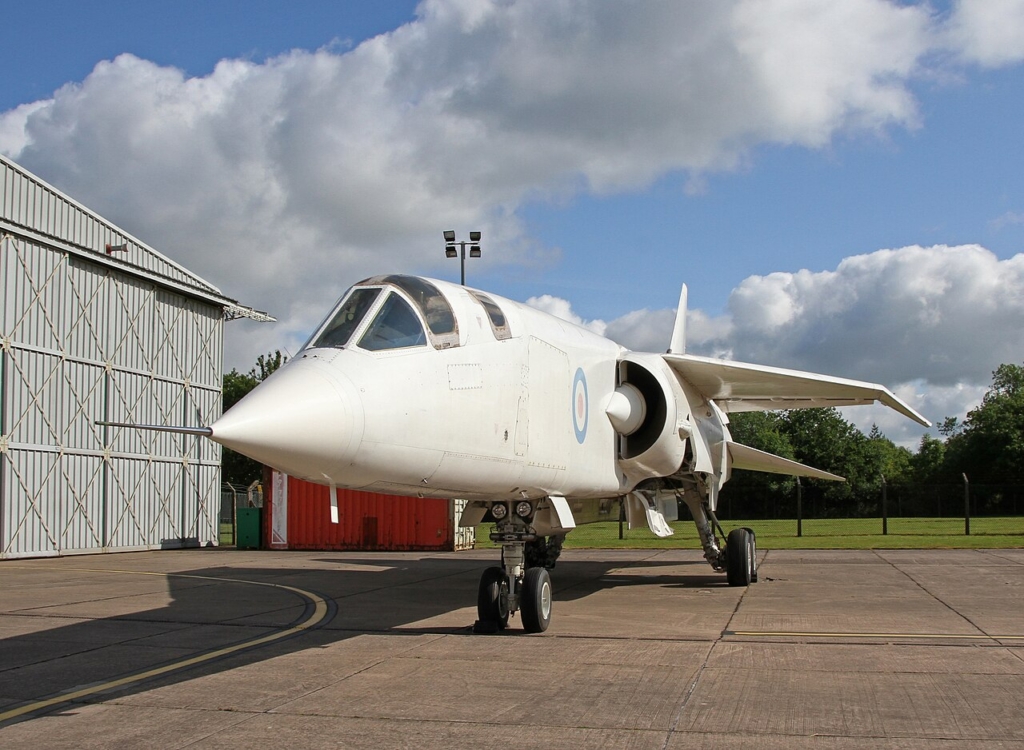
On 6 April 1965, the Labour government announced the cancellation of the TSR2 project. The decision shocked many within the aviation industry and the wider public. Only one aircraft had flown, and the second prototype, XR220, was due to make its first flight on the very day the cancellation was announced.
Much of the remaining work was halted, and incomplete airframes were destroyed. Today, surviving examples include XR220 at the Royal Air Force Museum Midlands at Cosford and XR222 at the Imperial War Museum Duxford.
Why enthusiasts remain fascinated
More than six decades after its cancellation, the TSR2 continues to capture the imagination for several reasons.
First, there is the technology. The aircraft embodied an extraordinary level of ambition for its era. Its intended combination of supersonic speed, low-level flight, advanced avionics and long-range strike capability made it a symbol of what British engineering could achieve. Enthusiasts still debate how effectively it might have performed had development continued.
Second, there is the aircraft’s distinctive appearance. Its sleek fuselage, sharply defined wings and imposing twin-engine layout give it a timeless, futuristic character. Photographs of the TSR2 in its white test-flight finish remain instantly recognisable, while scale models allow enthusiasts to appreciate its unusual proportions.
Finally, there is the enduring mystery surrounding its cancellation. Would the TSR2 have become a world-class combat aircraft, or would further technical challenges and spiralling costs have undermined its prospects? No definitive answer is possible, because the programme ended before the aircraft could demonstrate its full capabilities.
The cancellation also became a powerful symbol of Britain’s changing aerospace industry, raising lasting questions about defence spending, international collaboration and the country’s ability to sustain independent aircraft development.
A legacy beyond the hangar
The TSR2’s story is not entirely one of failure. The expertise developed during the programme contributed to the wider evolution of British aerospace engineering, while subsequent collaborative projects, including the Jaguar and Tornado, helped shape the nation’s military aviation future.
For enthusiasts wishing to see the aircraft in person, surviving airframes preserve a tangible connection to this remarkable chapter of aviation history.
Ultimately, the TSR2 continues to fascinate because it combines technical ambition with an unresolved historical question. It was advanced enough to inspire visions of a new era in British military aviation, yet it disappeared before its true potential could be established.
That combination of engineering brilliance, political controversy and unrealised promise ensures that the TSR2 remains far more than a cancelled aircraft – it is one of British aviation’s most compelling unfinished stories.
Sign up for our newsletter and get our latest content in your inbox.
Similar Reads

Sign up for our newsletter. Select all sectors relevant to you.
Related