British Airways navigates Q3 margin pressures amid rising costs and disruption

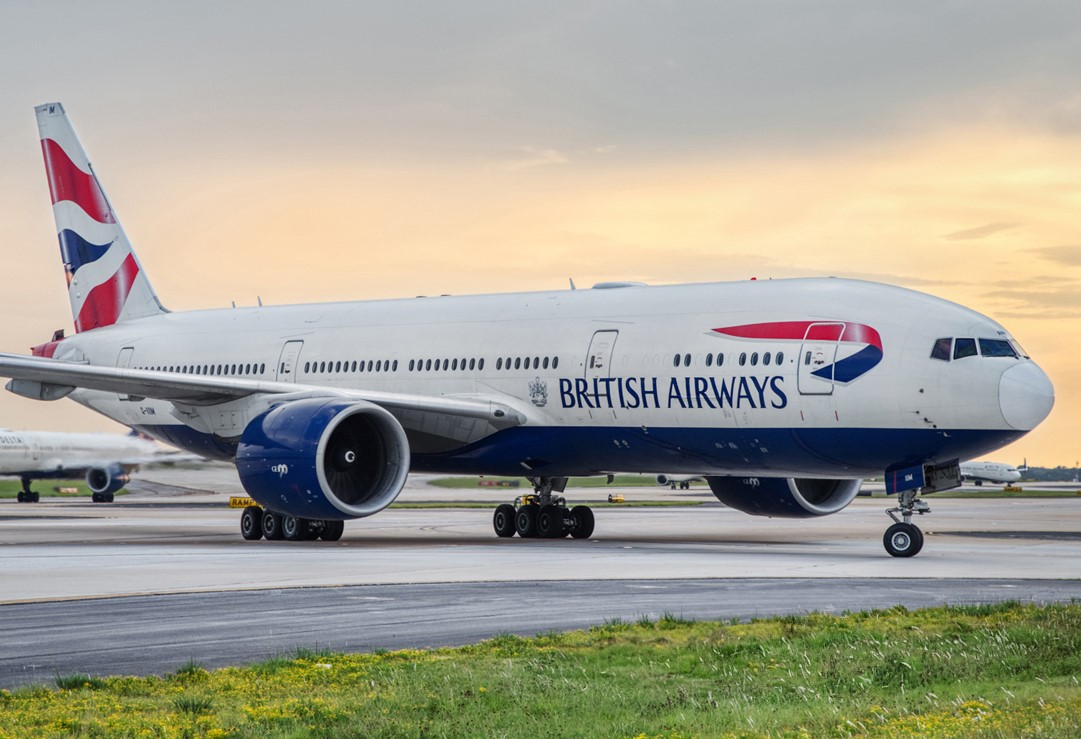
British Airways owner International Airlines Group (IAG) reported its third-quarter results earlier this week, demonstrating robust performance in light of the current fuel environment. However, several exceptional elements impacted British Airways’ performance, pushing its operating margin down considerably.
It reduced capacity slightly over the quarter and achieved a healthy load factor of 84.5% up 0.7 points.
British Airways sees margin decline as fuel costs and disruption weigh on performance
It saw a 4% improvement in revenue reaching £4.2 billion, though its margin declined almost 6 percentage points as its expenses rose. The rise in fuel prices was partly mitigated by hedging, with the group as a whole seeing its net fuel bill rise 30.4%. It hopes to achieve full-year fuel recovery of over 100% at British Airways, IAG CEO Luis Gallego said in the group’s earning call on Friday.
British Airways passenger numbers contracted 0.8% to 12.8 million. Its capacity declined 1.3%, contributing to a strengthened load factor. The company was also able to increase its Passenger Revenue per Available Seat Kilometre (PRASK) by nearly 6%, reflecting higher overall yields.
Its non-fuel Cost per Available Seat Kilometre (CASK) rose 5%, in part attributable to disruption related to Air Traffic Control outages in September. National Air Traffic Services (NATS) faced two failures in the span of 13 days.
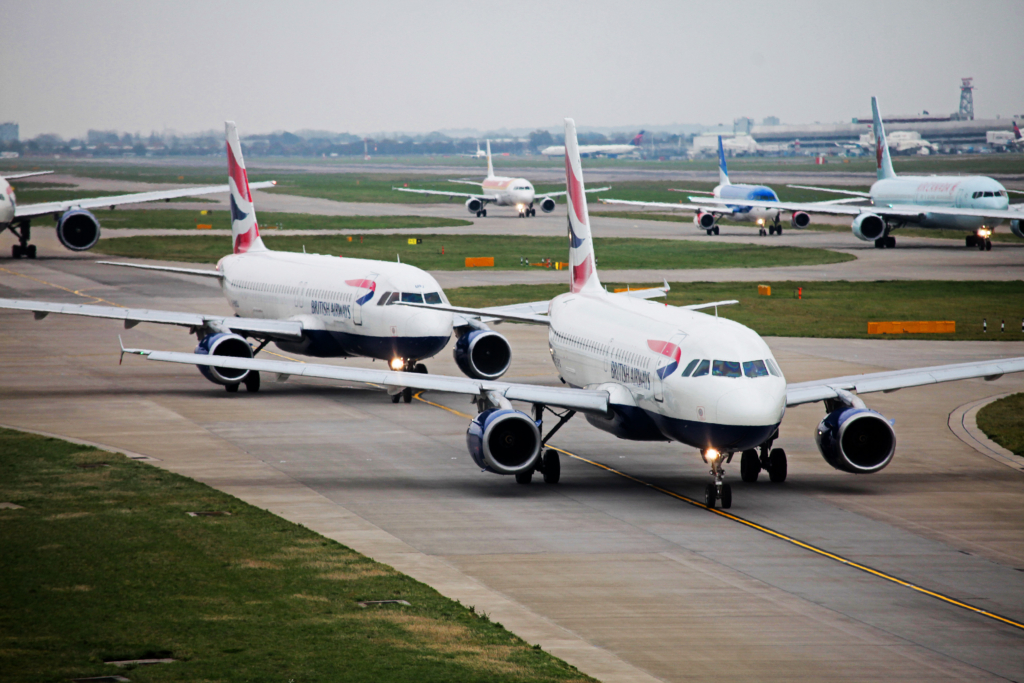
Its operating profit declined slightly from £1.64 billion to £1.49 billion.
British Airways was particularly vulnerable to the Middle East crisis this quarter as well. Though the region represents 3% of the group’s capacity, this figure is higher at British Airways. Data from aviation analytics firm Cirium shows this figure stood at around 4% for British Airways in Q3 last year.
The carrier redeployed its capacity to South Asia, Africa and Asia-Pacific, including more services to Bangkok, Bengaluru, Delhi, Malé, Nairobi and Singapore.
British Airways benefitting from increase in premium transit traffic
IAG is banking on its premium strategy, attracting high-paying customers from its home markets while also offering convenient connections for transit passengers. It saw a 13% increase in revenue from the AMESA which it says was facilitated by an increase in business customers flying from North America via London.
It recently announced it would be reconfiguring its Airbus A380 fleet with additional premium capacity. Among other highlights, its Club Suite cabin will be the largest in the industry with 106 seats.
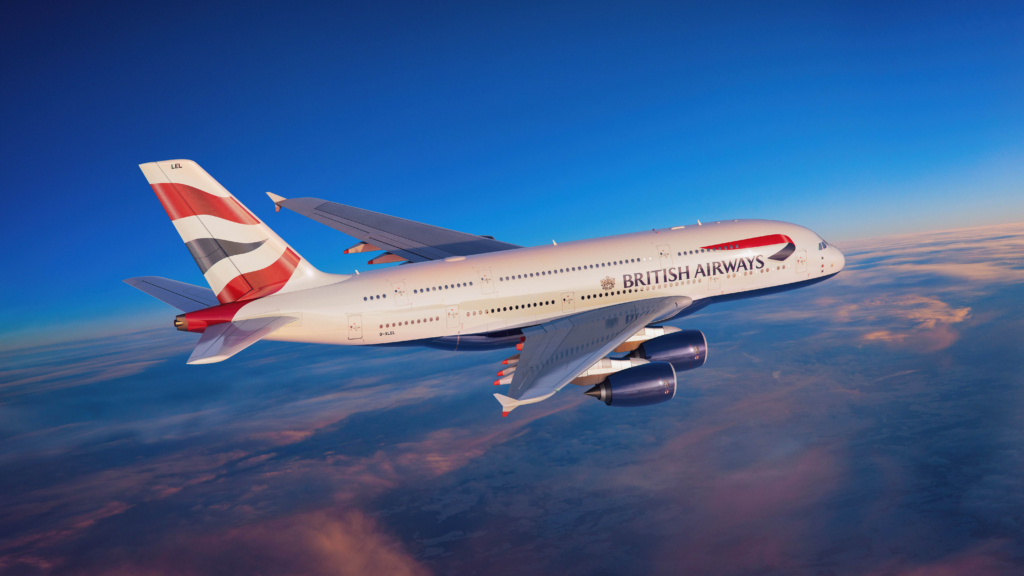
When asked whether an increase in seats would dilute premium yields, British Airways CEO Sean Doyle said: “We still are broadly similar in terms of size of premium seats we have in the market today to what we were in 2018-2019 because we retired a lot of Boeing 747s that were very dense in terms of premium.”
He added: “Things like the Airbus A380-800 reconfiguration and our new deliveries kind of get us back to that footprint.”
How did the three European airline groups perform?
IAG remains the best performing European airline group by operating margin this quarter, with strong performance across its Vueling, Iberia and Aer Lingus portfolios in particular. Air France-KLM saw strong performance from Transavia.
KLM on the other hand will not be reaching the group’s 8% operating margin target this year despite its turnaround plans. On XX, the company announced further restructuring efforts including a reduction in the number of positions and a reoptimised fleet for its European operations.
Lufthansa Group continued to lag behind IAG and Air France-KLM as its Lufthansa Airlines unit drove down results.
Sign up for our newsletter and get our latest content in your inbox.
Similar Reads

Sign up for our newsletter. Select all sectors relevant to you.
Related