

UK Army pauses non-essential training exercises amid budget pressures


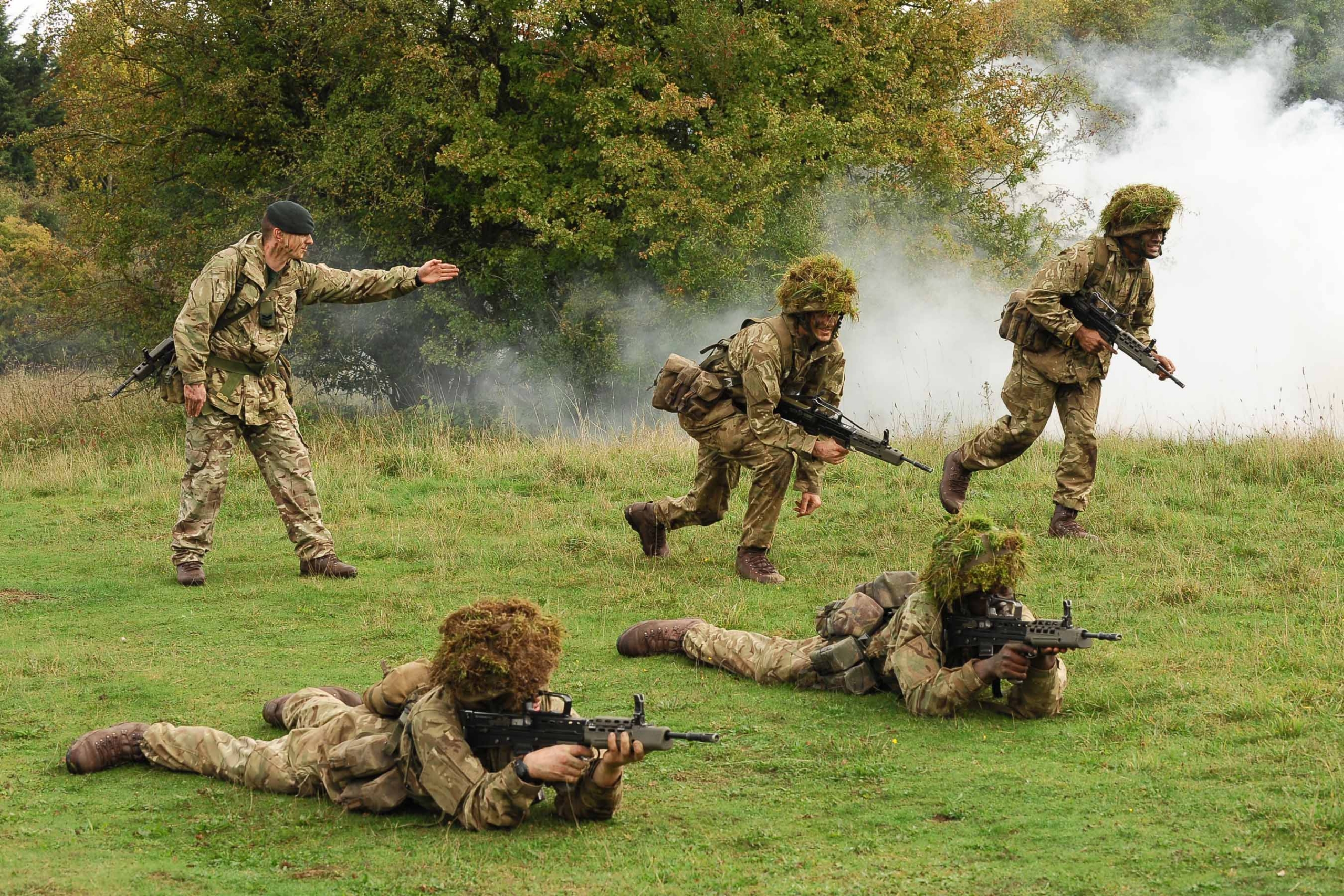
The British Army has been told to suspend some non-essential training for UK-based units for most of the remainder of the year as it seeks to manage pressure on its training budget, according to reports by the BBC and The Times
The restrictions do not apply to troops preparing for deployment, those already deployed or units assigned to standby and quick-reaction roles. Training linked directly to operational readiness will continue.
Instead, the reductions affect some collective training by units based in the UK that are not preparing for a specific deployment. According to the BBC, the pause is expected to continue for most of the year.
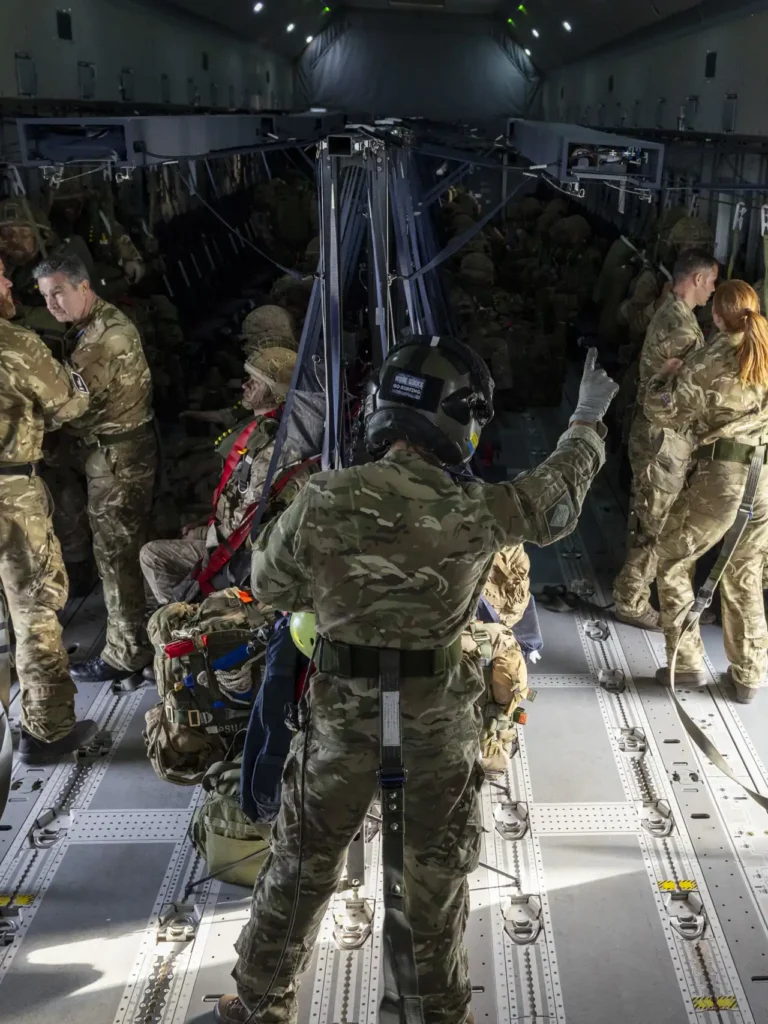
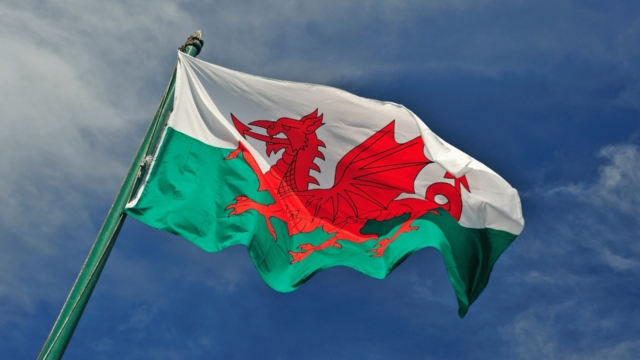
Planned activities affected include a Royal Tank Regiment live-fire exercise in Wales and a separate exercise involving tanks and Apache attack helicopters.
A defence source told the BBC that larger live-fire exercises and training for platoon attacks at areas including Salisbury Plain in Wiltshire and Sennybridge in Wales were among activities regarded as non-essential under the current restrictions.
Operational training will continue
The change does not amount to a general halt in Army training.
Units preparing for deployments to locations including Estonia, the Falkland Islands and Cyprus will continue their training programmes. The Army is also maintaining activities considered important to its modernisation plans, including drone and counter-drone training.
Training requests are being considered individually, with priority being given to activities judged to have the most direct effect on operational readiness and deployability.
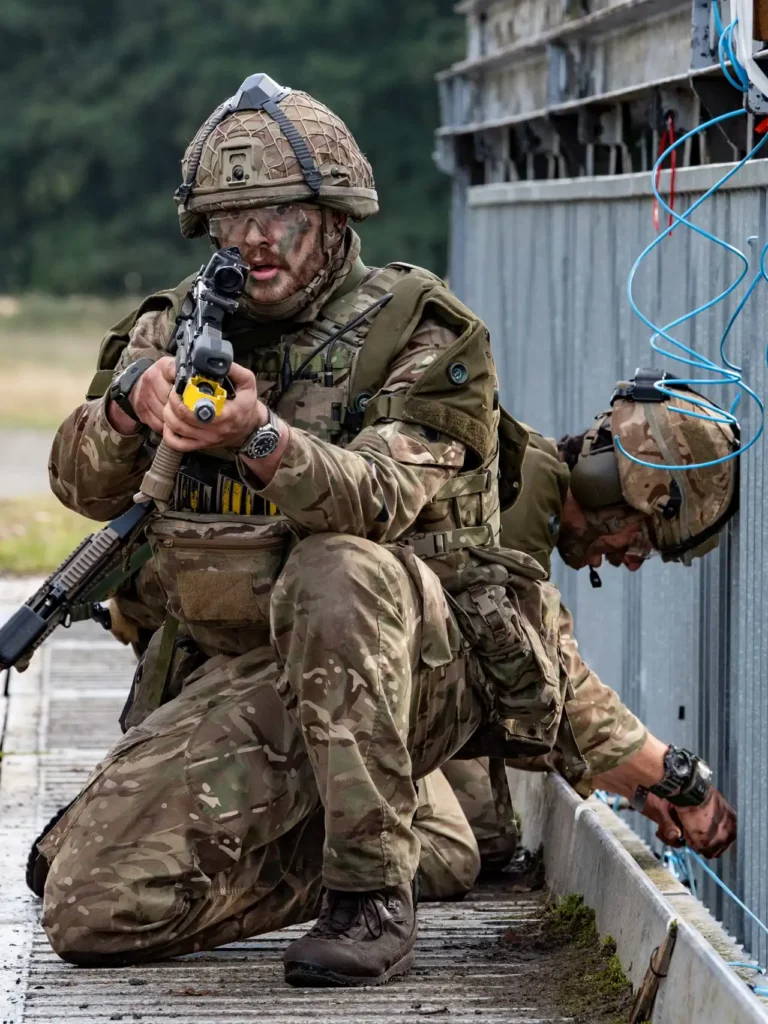
“Our training continues and we are prioritising activity that contributes most directly to readiness, deployability and operational effectiveness,” an Army spokesperson said.
“We are also investing £2bn to transform training for the British Army over the next 15 years.”
More defence money, but investment takes a growing share
The training restrictions come despite a rise in overall UK defence spending, reflecting the different pressures on the Ministry of Defence’s investment and day-to-day budgets.
The UK spent £62 billion on defence in the 2025-26 financial year, according to a House of Commons Library briefing published in July. Under the Defence Investment Plan, annual spending is expected to rise to £79.1 billion by 2029-30.
But the increase is weighted towards capital expenditure. The Commons Library said recent increases in defence funding have prioritised investment spending over day-to-day expenditure, with a larger share of additional funding being allocated to capital budgets. The MOD had the largest capital budget of any government department in 2025-26.
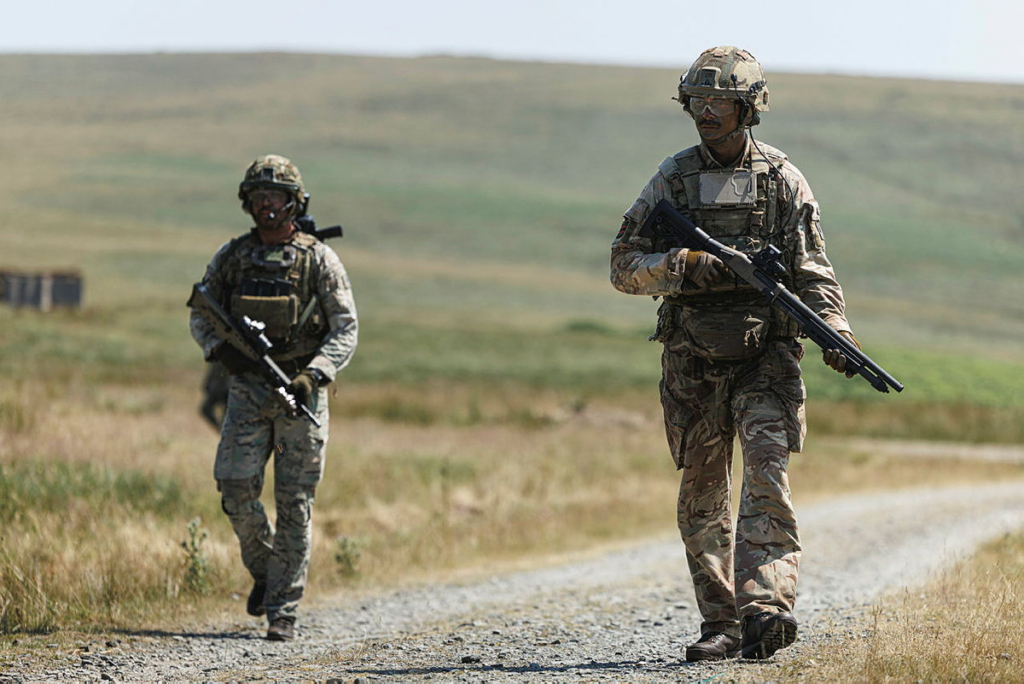
That distinction matters for the Army because capital expenditure pays for long-term investments such as equipment and infrastructure, while the resource budget covers day-to-day costs including personnel and maintenance. Under current plans, the MOD’s capital budget is expected to grow faster than its resource budget and account for about 44% of total spending by 2029-30.
The BBC reported that additional defence funding has similarly been earmarked for specific capital projects and new weapons programmes, leaving the part of the budget available for training under pressure.
Tanks and Apache exercises among activities affected
Collective training is used to bring soldiers, vehicles, aircraft and other capabilities together at unit and formation level. It differs from the individual training required to qualify soldiers for their particular roles.
The reported restrictions therefore fall mainly on larger exercises involving personnel and equipment rather than stopping soldiers from training altogether.
Among the activities affected is an exercise involving Challenger 2 tanks and Apache helicopters, according to reports. Another planned exercise would have involved the Royal Tank Regiment conducting live-fire drills in Wales.
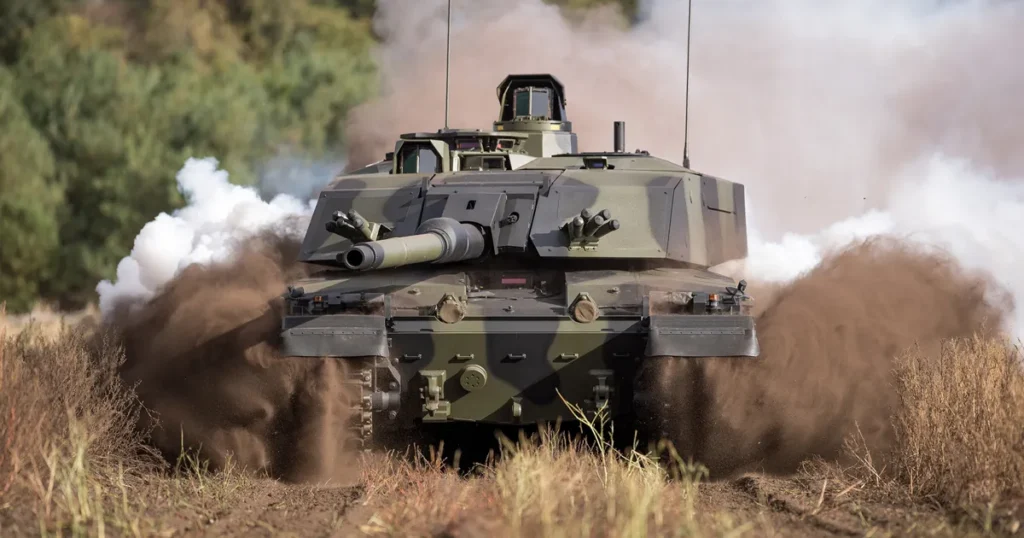
The Army operates the Challenger 2 as its current main battle tank while the Challenger 3 is being introduced as its successor. Its Apache AH-64E fleet provides the service’s principal attack helicopter capability.
The decision comes as the Army is also changing the way it prepares personnel for increasingly technology-heavy operations. Drone and counter-drone warfare are among the areas being protected from the training reductions, reflecting lessons being incorporated into current Army training.
The BBC reported that the pause is expected to last for most of the year, while troops with immediate operational commitments will continue preparing as normal.
The Army’s stated position is that training remains under way, but resources are being concentrated on exercises and activities with the clearest link to readiness, deployment and operational effectiveness.
An Army spokesperson told ADS Advance:
“Our training continues and we are prioritising activity that contributes most directly to readiness, deployability and operational effectiveness.
“We are also investing £2 billion to transform training for the British Army over the next 15 years.”
Sign up for our newsletter and get our latest content in your inbox.
Similar Reads

Sign up for our newsletter. Select all sectors relevant to you.
Related