Cambridge Pixel unveils radar video in browser application
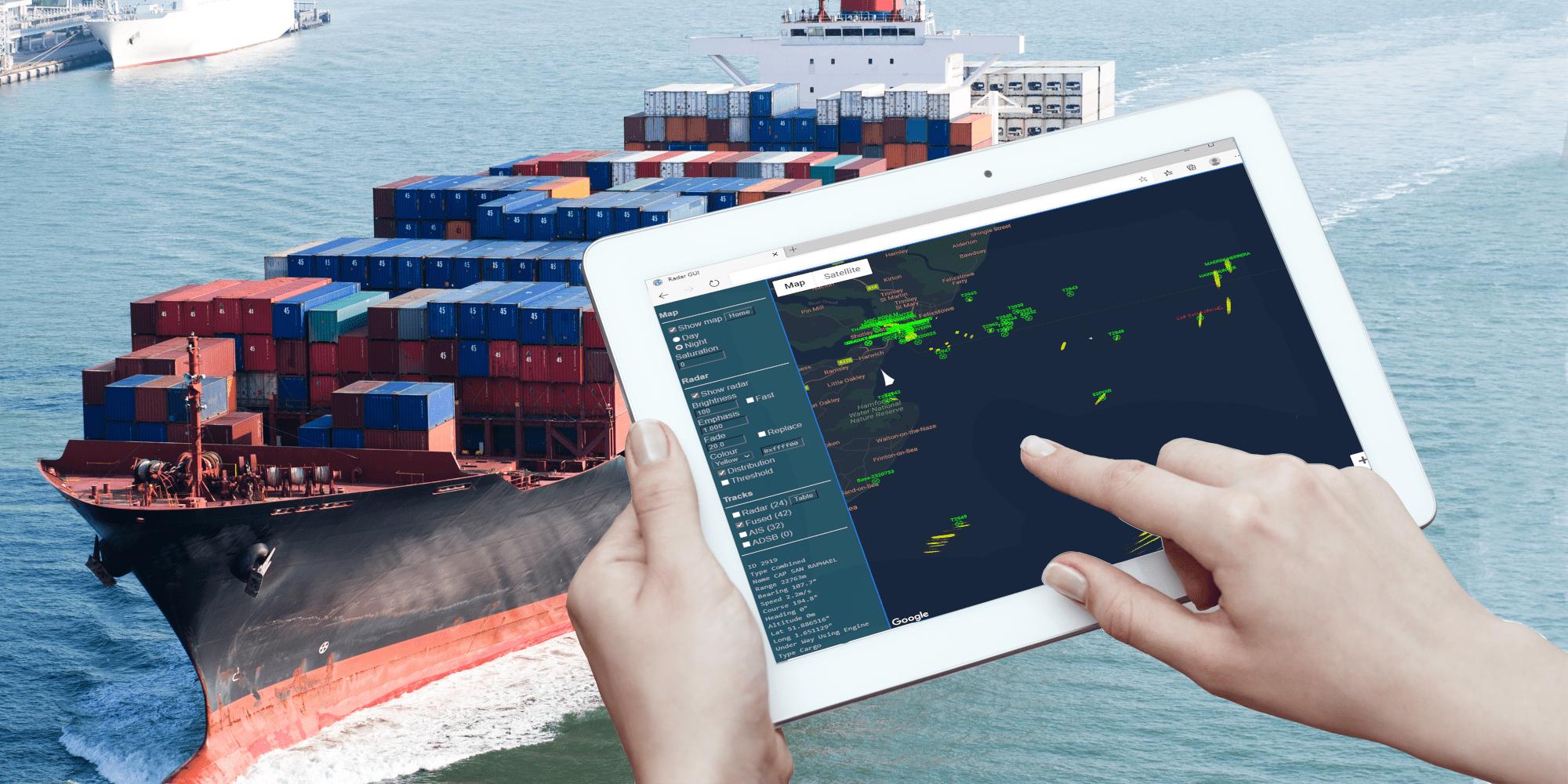
Image courtesy Cambridge Pixel
This Radar Video in a Browser application simplifies the construction of web-based display applications for maritime, naval, air traffic and security system integrators. The new software components enable radar video to be displayed with maps, tracks (primary radar tracks, fused tracks, AIS, ADS-B) and alarms as part of an integrated surveillance picture. Radar processing can be handled by a remote server or delivered via a cloud-based architecture for rapid scalability, with licenses to support up to 100 clients.

Andrew Haylett, product manager, Cambridge Pixel, said: “Many of our customers, particularly those developing vessel traffic and port security systems, are starting to embrace web-based display applications. The browser-based approach separates the processing from the display and therefore any device capable of running a browser can serve as the display. This can simplify the deployment of a new installation and reduce cost as the only software necessary at the display end is the browser itself.”
As part of the new product, a scan conversion server application, SPx Radar Web Server, receives radar video and creates radar images. The browser connects to the Server and requests radar video for the geographic area that it is displaying. The radar image for that area is created and delivered to the browser where it is blended with underlay and overlay graphics, including maps and target symbology.
The Radar Web Server also assists with track display. The Server receives tracks from a target tracker and selectively delivers those tracks in a GeoJSON format to connected clients. The client’s geographic areas of interest serve as a filter to control the delivery of track reports. The JSON track messages are then rendered in the browser using JavaScript.
“Our web-based radar display application provides integrators with great flexibility and our cloud-based solution enables instantaneous scalability to add more clients as is needed,” said Andrew Haylett. “What’s more, each browser has its own unique view of the radar image, effectively having its own dedicated scan converter running in SPx Radar Web Server, allowing an operator to change scale and position independently of other users and to see the radar video at full resolution.”
Cambridge Pixel’s SPx suite of software libraries and applications provides highly flexible, ready-to-run software products or ‘modules-of-expertise’ for radar scan conversion, visualisation, radar video distribution, target tracking, sensor fusion, plot extraction and clutter processing.
Cambridge Pixel’s radar technology is used in naval, air traffic control, vessel traffic, unmanned systems, Electronic Chart Display and Information Systems (ECDIS), commercial shipping, security, surveillance and airborne radar applications. Its systems and software have been implemented in mission-critical applications with companies such as BAE Systems, Frontier Electronic Systems, Blighter Surveillance Systems, Exelis, Hanwha Systems, Kelvin Hughes, Lockheed Martin, Navtech Radar, Raytheon, Royal Thai Air Force, Saab Sensis, Sofresud and Tellumat.