DE&S, Dstl and British Army test new tech for future battlespace
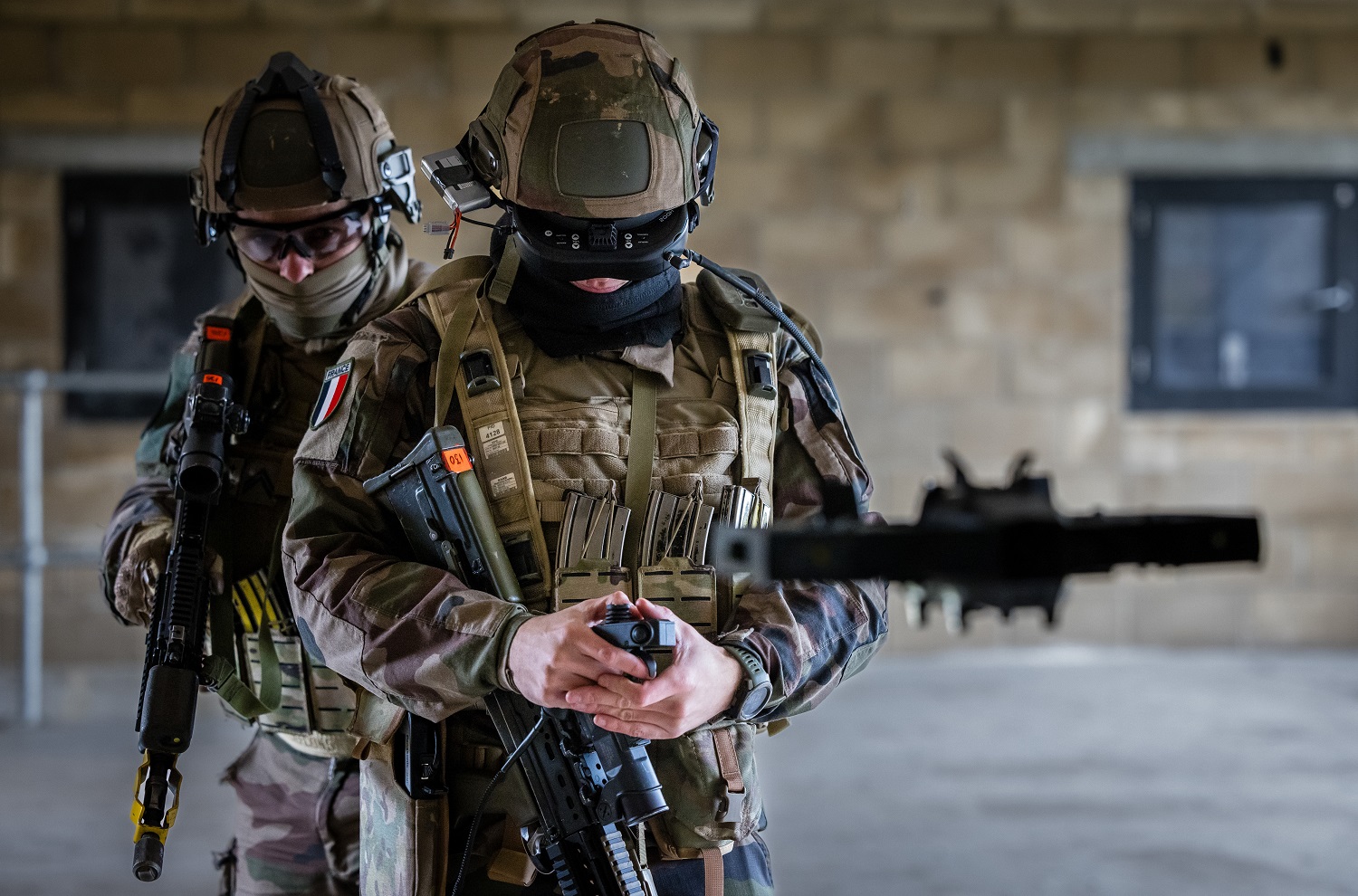
Image courtesy DE&S
AWE has been the flagship innovation experimentation programme for the past six years and helps fuel DE&S’ commitment to developing new capabilities and harnessing technology to build a competitive edge for the UK Armed Forces.
The opportunity to forge relationships with a wide range of industry and identify technology that could be used in future warfare is critical for DE&S’ desire to drive continuing improvement through the defence enterprise.

Samantha Officer, Assistant Head Land Experimentation in FCG, said: “AWE is a flagship experimentation event and takes a huge collaborative effort.
“FCG’s role is to make the event a reality, to programme manage day-to-day activity and to act as a point of contact for industry who are excited to have been given the opportunity to get feedback from the user and mature their technology in line with requirements.
“I love delivering this project alongside Army Headquarters. It’s a long, consistently challenging process but ultimately one that’s incredibly rewarding and that I and my team are proud to be part of.”
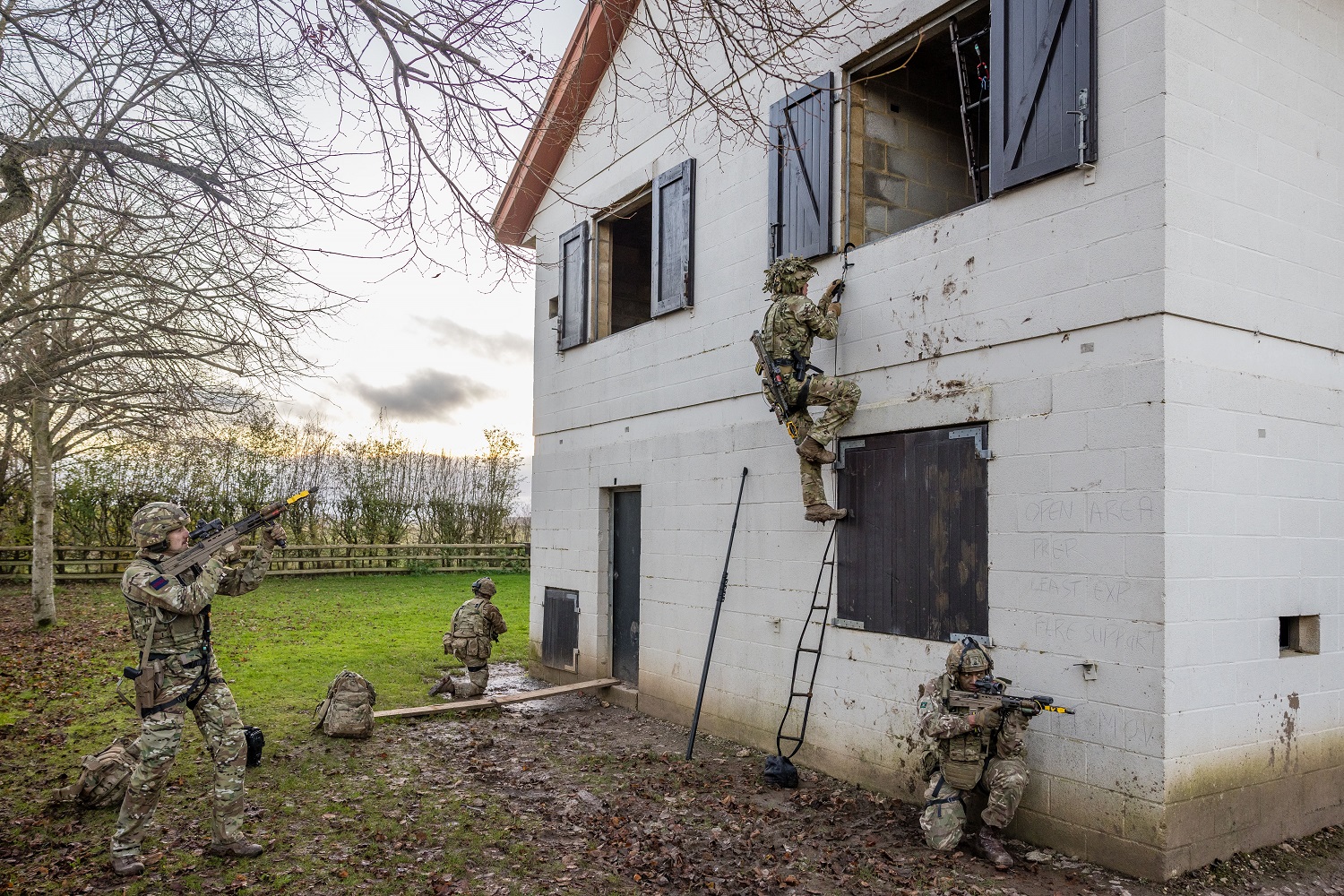
The focus of this year’s AWE was to identify current and emerging technologies that could provide solutions to the challenges faced by soldiers in urban warfare.
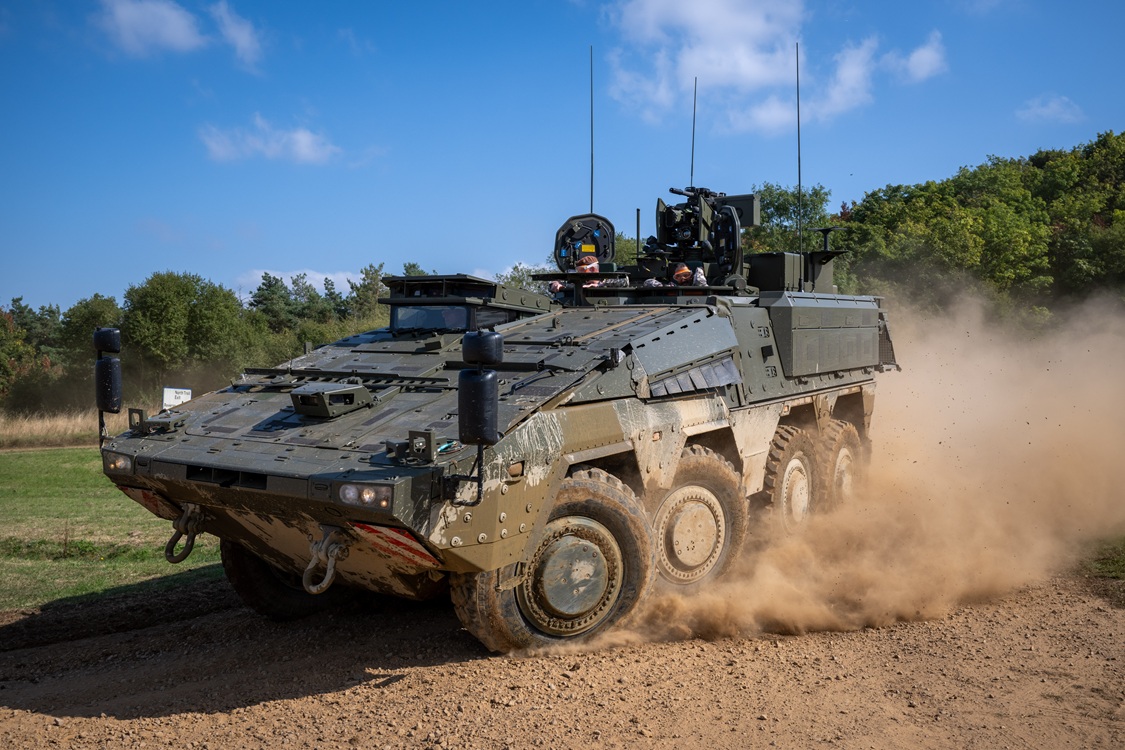
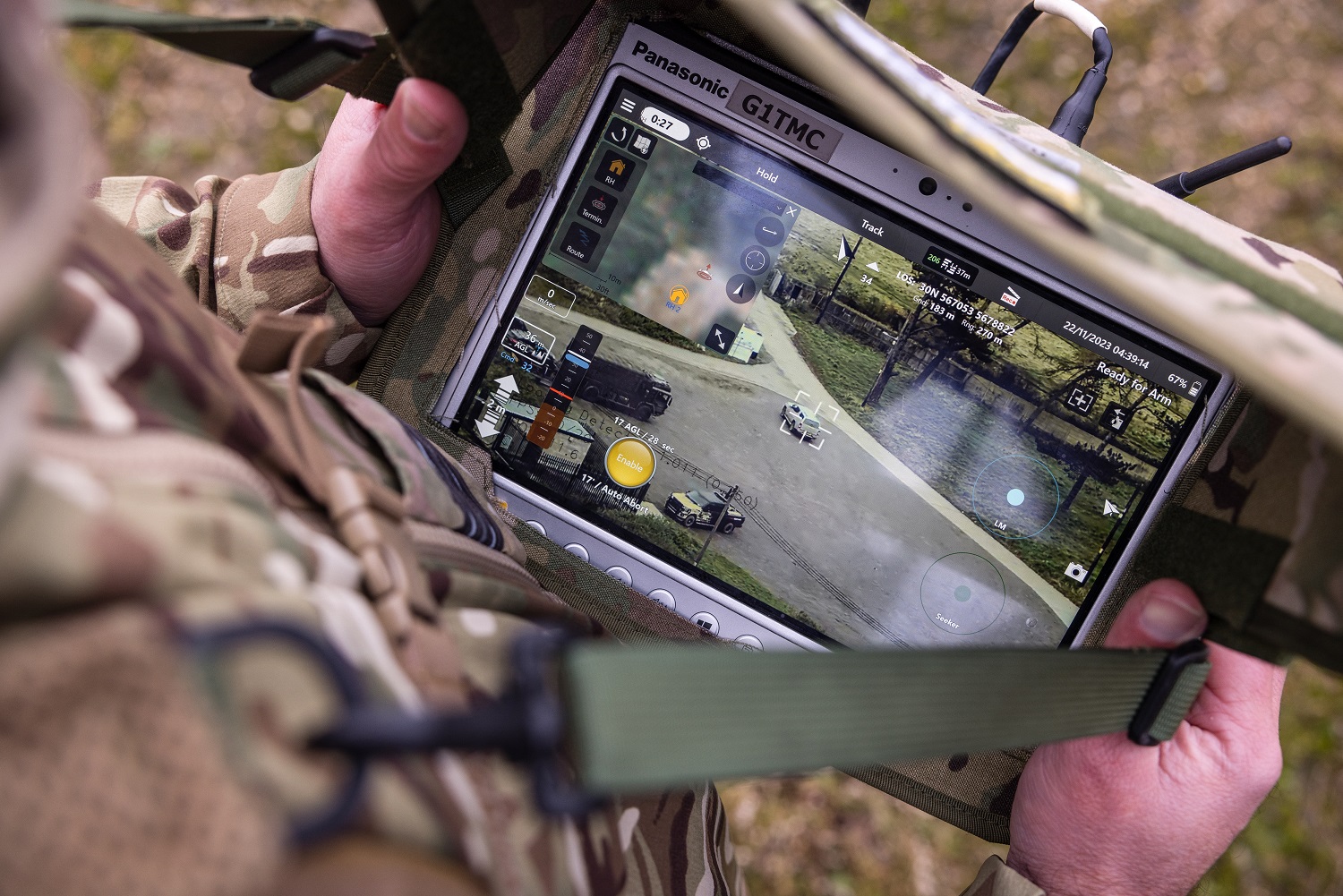
Over the last month more than 40 systems including the world’s first hybrid electric jet aircraft, drones that fit in the palm of your hand and driverless vehicles from 35 suppliers; two thirds of which are from British industry, were tested and assessed by the Army’s Experimentation Battalion, 2nd Battalion The Royal Yorkshire Regiment on Salisbury Plain.
The results from the experiment will generate evidence to inform future investment decisions and drive the thinking on design and training decisions, ensuring the Army has the best solutions to meet the demands of modern warfare.
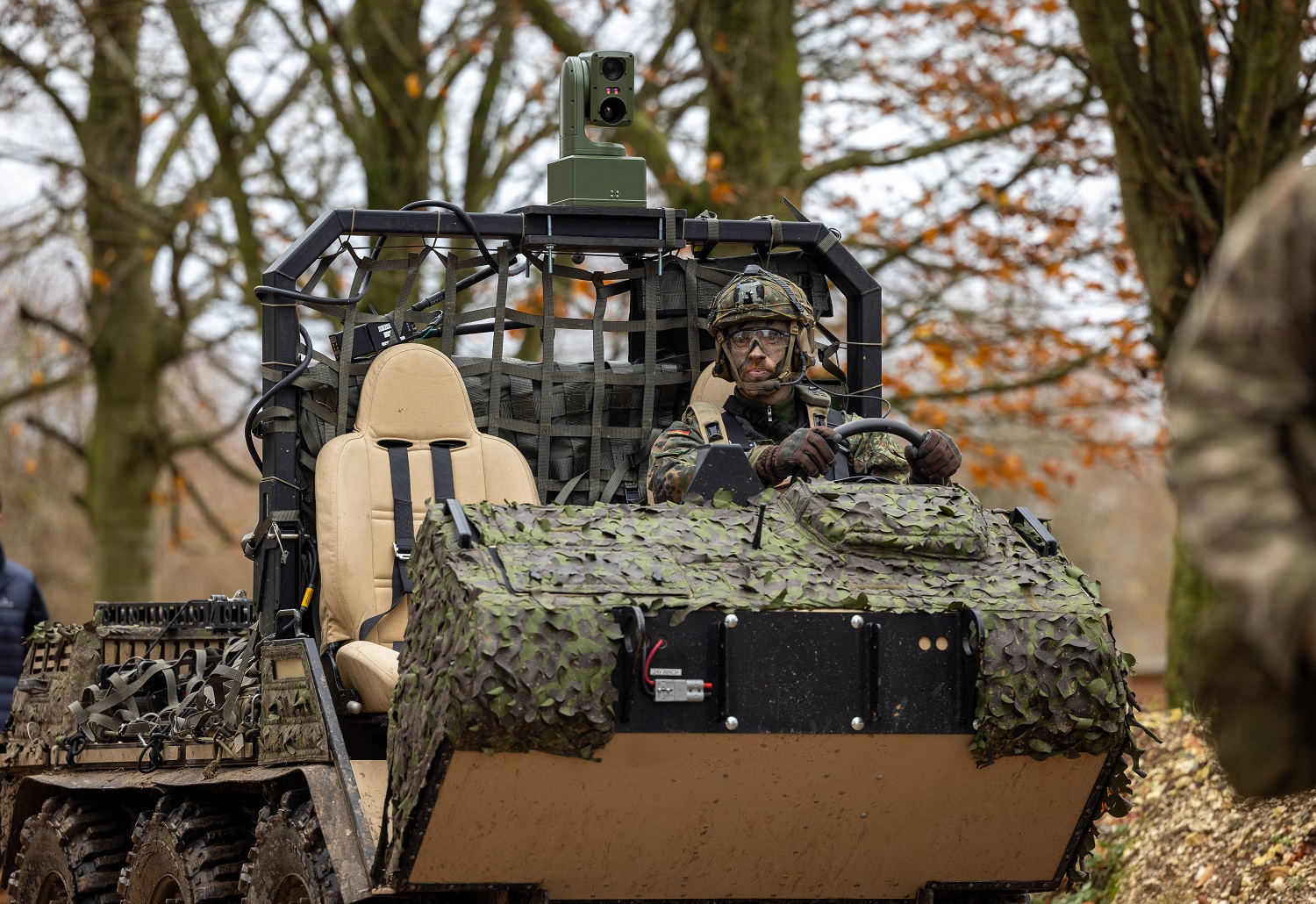
Private Daniel Gonzalez from the British Army said: “We’ve been trialling everything from software to unmanned vehicles and from ladders to an electric wheelbarrow that can be used to evacuate casualties or to carry kit.
“You can see exactly where a lot of the kit slots into the battlespace. Some of the kit less so as it is still in development and some is not fit for purpose.
“We are looking towards the future battlespace and looking at lessons learned from countries like Ukraine. It’s important to learn the lessons from those conflicts and stay up-to-date and get ahead of the curve. This kit will help us do that or, at the very least, enable us to stay on par with a future enemy.”
The evidence from the AWE will inform the Army and Defence as to the capabilities which should receive investment in order that the Army may become more lethally effective and remain competitive on the global stage.