EasyJet and Rolls-Royce pioneer hydrogen engine combustion tech
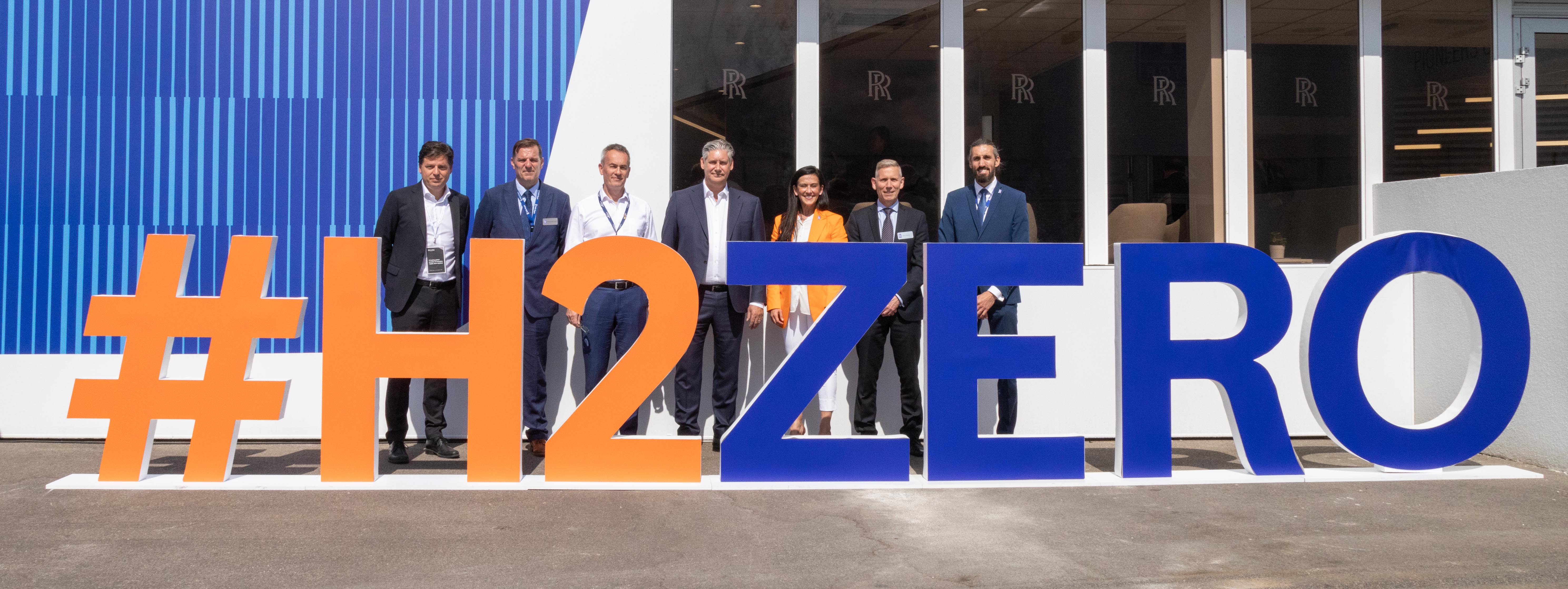
Image courtesy Rolls-Royce
Both companies have committed to working together on a series of engine tests on the ground, starting later this year and have a shared ambition to take the technology into the air. The objective of the partnership is to demonstrate that hydrogen has the potential to power a range of aircraft from the mid-2030s onwards.

While Rolls-Royce will bring its expertise in engine development and combustion systems, easyJet will contribute its operational knowledge and experience to H2ZERO and will also directly invest in the test programme.
Through H2ZERO, the companies will support an early concept ground test of a Rolls-Royce AE 2100 engine in the UK later this year. This will be followed by a full-scale ground test of a Rolls-Royce Pearl 15 jet engine - a range of location options are being assessed for this including the Rolls-Royce test facility in Mississippi, USA. The programme will build on initial hydrogen combustion and fuel system rig tests that Rolls-Royce is undertaking with both Cranfield and Loughborough universities.
H2ZERO is inspired by the global, UN-backed Race to Zero campaign that both companies have signed up to, committing to achieve net-zero carbon emissions by 2050.The agreement announced today follows a research project that both companies began in 2021, developing market analysis, driving specifications, investigating infrastructure and regulatory requirements to support the use of hydrogen in aviation.
Johan Lundgren, CEO of easyJet, said: “In order to achieve net zero by 2050, we have always said that radical action is needed to address aviation’s climate impact. That’s why today, we are so pleased to announce this partnership with Rolls-Royce. The technology that emerges from this programme has the potential to power easyJet-size aircraft, which is why we will also be making a multi-million pound investment into this programme. In order to achieve decarbonisation at scale, progress on the development of zero emission technology for narrowbody aircraft is crucial. Together with RollsRoyce we look forward to leading the industry to tackle this challenge head-on.”
Grazia Vittadini, Chief Technology and Strategy Officer, Rolls-Royce, said: “H2ZERO is a big step forward for Rolls-Royce and we are excited to be working with a partner that shares a desire to innovate and find new answers to aviation’s biggest challenges. We at Rolls-Royce want to be ready to pioneer sustainability with whatever the future requires, be it hydrogen, electric power, sustainable aviation fuel, or gas turbine efficiency. This agreement further inspires us to move forward.”
The H2ZERO partnership has also been created in response to detailed studies and market research – including the UK Aerospace Technology Institute’s Fly Zero team and Project NAPKIN (New Aviation Propulsion Knowledge and Innovation Network) - which both concluded there is market potential for hydrogen-powered aircraft.