

First autonomous mine hunting system delivered to Royal Navy

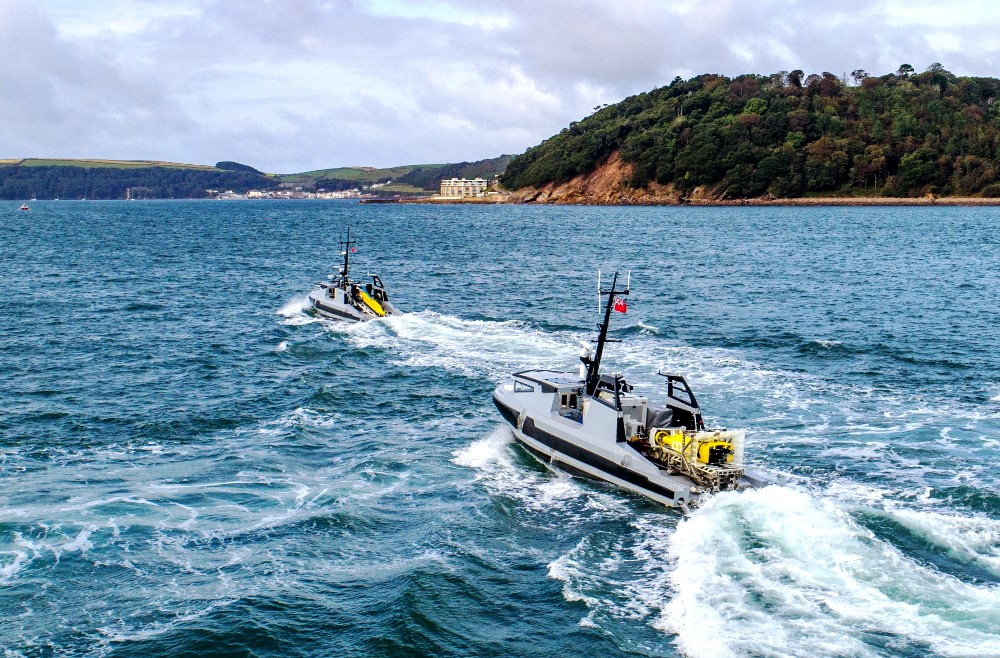
Image courtesy DE&S
The new capability consists of an Unmanned Surface Vessel (USV) – 12m long Royal Navy Motor Boat (RNMB) ARIADNE – as well as sophisticated off-board payloads and a Remote Command Centre (RCC).
With this advanced technology, mines can be rapidly detected in a more cost-effective and safer manner than previously, greatly increasing operational tempo and eliminating the need for sailors to enter mine danger areas.
The new vessel can be deployed from a harbour or a mother ship to hunt the seabed and water column for mines, using the Thales Towed Synthetic Aperture Multiviews (TSAM) system, one of the most sophisticated towed sonars in the world.
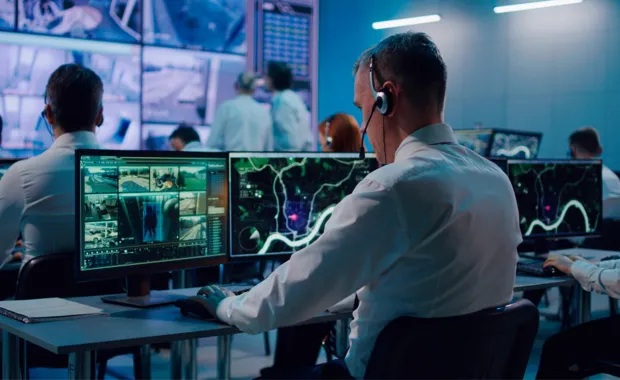
Developments in sensor technology, data analytics, and machine learning have all significantly contributed to this innovation, allowing vessels to operate either fully autonomously or remote controlled by operators in a portable operations centre. Fitted with AI automatic target recognition, these vessels will filter and refine vast amounts of data allowing professional operators to speed up the process of classifying and neutralising mines.
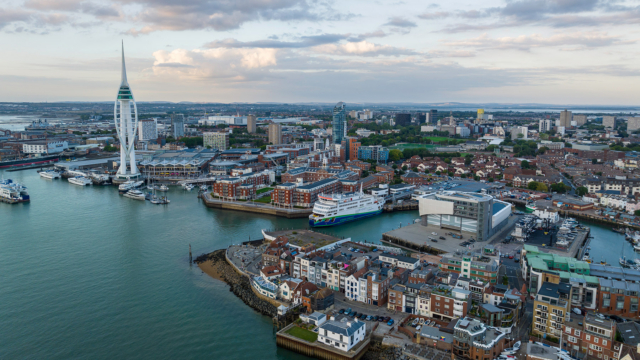
The UK’s investment of £184 million into this programme has supported more than 200 jobs in Somerset, Plymouth, Portsmouth and Scotland, through Thales and its supply chain, with both the USVs and RCCs being manufactured in the country. This reflects the Government’s Plan for Change, by supporting jobs, boosting economic growth and improving the UK’s Defence capabilities.
The MMCM programme was set up to deliver cutting-edge mine hunting equipment to the navies in the UK and France, with the contracts managed by the Organisation for Joint Armament Co-operation (OCCAR). The total contract value for UK and France is €430m. The UK Royal Navy is set to receive its first four systems over the course of the year.
Minister for Defence Procurement and Industry, Rt Hon Maria Eagle MP, said: "This delivery marks a significant milestone in our mine-hunting capabilities and the autonomous technology will keep Britain and our Royal Navy sailors safer by identifying and removing mines.
“It has also supported hundreds of skilled jobs across UK industry – a clear demonstration that defence is an engine for economic growth.”
This delivery is part of the Mine Hunting Capability (MHC) Programme led by the Ministry of Defence’s procurement arm, Defence Equipment and Support (DE&S), which aims to transition from conventional Mine Counter Measures Vessels to Maritime Autonomous Systems. The programme is focused on enhancing the UK’s ability to secure maritime operations by addressing static underwater threats.
Rear Admiral Steve McCarthy, Director of Maritime Environment at DE&S, said: “This is a significant first delivery for the Royal Navy and is a proud moment for all those involved in bringing this transformative capability into service. This project contributes to the growth and prosperity of our nation and will strengthen UK security through enhanced maritime operations.”
Both the UK and France have now taken delivery of MMCM systems, signifying advancements towards improving both countries’ mine hunting capability and increasing the safety of both Navies’ personnel.
Jonathan Reed-Beviere, Programme Director of the Mine Hunting Capability Programme in the Royal Navy, said: “This achievement is fundamental to the Royal Navy’s ambition to embrace Maritime Autonomous Systems, as the first Degree 3 autonomous vessel to be delivered into the hands of our sailors, furthering our dedication to removing personnel from the danger of operating within a minefield.”
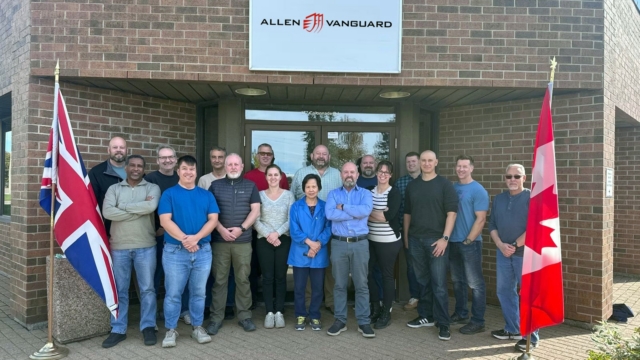
Following the delivery of RNMB ARIADNE, Royal Navy personnel will undertake a period of training under Thales’ guidance, before independently conducting a rigorous Operational Evaluation of the equipment and beginning to utilise MMCM to fulfil operational duties.
Phil Siveter, CEO of Thales UK, added: “We are incredibly proud to deliver this world-first autonomous mine hunting system to the Royal Navy. With the introduction of AI and advanced sensor technology, this innovation represents a new era in maritime defence technology and demonstrates our unwavering commitment to providing cutting-edge solutions that enhance the capabilities of our defence forces. The Royal Navy will now have a powerful tool to safeguard national interests and maintain security at sea.”
In September 2024, a trial of the prototype MMCM vessel, RNMB APOLLO, successfully demonstrated the potential for this capability to be deployed flexibly and at pace by the Royal Navy. The trial took place at Scotland’s Firth of Clyde, a location which proved to be an effective testbed, paving the way for this delivery.
Sign up for our newsletter and get our latest content in your inbox.
Similar Reads


Sign up for our newsletter. Select all sectors relevant to you.
Related