Fresh funding aimed at UK Armed Forces' transformation

Image copyright Shutterstock
The Prime Minister announced during a major speech at Malloy Aeronautics this morning that the Defence Investment Plan will be backed by £298 billion of investment across the next four years, including £15 billion of additional spending on top of last year’s Spending Review.

It will see an increase in defence funding from £54 billion a year under the previous government to almost £80 billion a year by 2029 and will see the UK’s defence spending increase to 2.7% of GDP.
This means the proportion of GDP spent on defence will now be higher than at any time during the last thirty years by the end of this decade and puts the UK on track to meet NATO’s defence spending targets by 2035.
The major spending uplift will also create nearly 60,000 extra direct and indirect UK industry jobs by the end of the decade, taking forecasted defence spending-related jobs supported in the UK to more than half a million.
The Defence Investment Plan published today is designed to implement the vision set in the Strategic Defence Review, seeing the Armed Forces adapt for the wars of today and tomorrow by investing in new equipment and embracing new technology, such as drones, autonomy and AI.
Key funding includes:
- More than £8 billion in the Global Combat Air Programme (GCAP) over the next four years, progressing the programme which will build a next-generation stealth fighter jet for the Royal Air Force, alongside our close allies Japan and Italy.
- More than £63 billion over the next four years to strengthen the UK’s nuclear deterrent and to fund Dreadnought and SSN-AUKUS submarines, a new warhead, and other crucial nuclear work. Additionally, we will also purchase 12 F35As and join NATO’s nuclear mission.
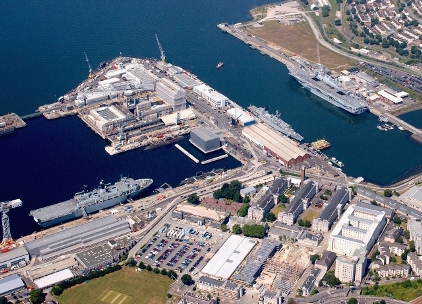
- Including elements of the above nuclear investment in the first four years, £26 billion over the next decade in Project Royal Oak – the biggest naval base upgrade for over 45 years, including multi-billion-pound upgrades at Faslane, Portsmouth and Devonport.
- Over £5 billion for the next four years to fund a drone transformation for our Armed Forces. As part of this, £650 million will deliver inexpensive expendable autonomous systems including drones and uncrewed ground vehicles to rapidly enhance the lethality of the Army, Commando Force and Special Forces.
- Nearly £2 billion to integrate our Armed Forces through a new Digital Targeting Web. This will enable faster decision-making and speed in destroying identified targets and will be underpinned by world leading AI and software.
- £790 million over the next four years to enhance protection of the UK homeland and overseas bases from air, drone and missile threats. This will revolutionise command and control and buy new radars and sensors. We will also invest in Directed Energy Weapons, upgrade Sea Viper for our Type 45 destroyers, expand counter drone systems, and build a new Integrated Air, Space and Missile Defence Operations Centre.
- £11 billion on munitions and weapons to increase UK stockpiles and ensure our Armed Forces have the right mix of capabilities to defeat targets, including long-range strike weapons, low-cost cruise missiles and one-way effectors. By 2030, we will have built at least six new energetics factories and increased our national munitions production capacity.
- £900 million investment to drive efficiency and reform procurement, including a £500 million Transformation Fund to deliver productivity improving investments in AI and workforce transformation, as well as an initial £400m contribution to setting up the Multilateral Defence Mechanism.
- £100 million for the Prime Minister’s Rapid AI Delivery Taskforce (RAID) to accelerate the deployment of AI-enabled capabilities into the hands of our Armed Forces.
On top of this, the government is investing £115 million to raise the UK’s defences against the threats from AI, including using AI to improve UK biosecurity and mitigate risks posed by autonomous AI agents.
Prime Minister Keir Starmer said: "This record investment puts the security of the British public first, transforming our Armed Forces and giving them the funding and equipment they need to fight and defend our nation.
"The world is a more dangerous and volatile place, so it is only right we are boosting the number of troops on the ground, rebuilding ammunition stockpiles and investing in cutting edge technology to ensure we outpace our adversaries for generations to come.
"Every pound in this plan will work twice, delivering economic growth and opportunity for the British people, and supporting more than half a million jobs by the end of the decade, as well as reinforcing our national security."
Chancellor of the Exchequer Rachel Reeves said: "I have boosted defence spending to the highest level since the Cold War - and today’s Defence Investment Plan goes further still, committing almost £300 billion over this Parliament to transform our Armed Forces. That’s more money, spent more effectively, to keep the country safe and back British industry, jobs and growth."
Defence Secretary Dan Jarvis MBE MP said: "I know first-hand the importance of our Armed Forces having the kit and technology they need to do the difficult job we ask of them.
"I have secured more money and made different choices for defence. We will invest £298 billion over the next four years. That includes an additional £15 billion, of which most is extra day-to-day spending for training and improving availability of ships and aircraft to increase our war-fighting readiness.
"By choosing to embrace new technology, I am equipping our forces with the autonomous systems which will give them the edge.
"This extra money and these choices send a clear signal to our allies and our adversaries alike: Britain is stepping up on security."
Chief of the Defence Staff Air Chief Marshal Sir Rich Knighton said: "This plan sets out how and where we will invest in defence over the coming years to deliver the Strategic Defence Review and build the integrated force the nation needs.
"It also reflects both the importance of national defence and the vital contribution our Armed Forces make every day to keeping the country safe."
Richard Whitehead, Chief Executive of AECOM – Europe and India, said: “AECOM welcomes publication of the government’s Defence Investment Plan (DIP), bringing much needed clarity on the ambitions set out in last year’s Strategic Defence Review. The level of funding committed falls short of what many had hoped for, which not only has the potential to slow the pace of change, but presents delivery as a significant challenge. Innovation, technology and the use of AI, as outlined in the Prime Minister’s recent announcement on a new AI Taskforce for defence, must be at the heart of the solution to deliver resilience and defence capability at the necessary scale and pace.
“For decades, AECOM has acted as an infrastructure and programme delivery partner on complex, large scale projects in the UK defence sector and across the globe. Our multi-disciplinary approach means we understand the importance of translating strategic objectives into deliverable programmes that strengthen readiness and address critical defence capability gaps.
“The challenge now is translating the ambitions set out in the Defence Investment Plan into projects and programmes that can be delivered efficiently, at pace and scale. Done well, these investments will strengthen the UK’s defence capabilities, support its economic growth and improve skills development.”
Reinforcing today’s additional investment, the Prime Minister also announced this morning a new £50 billion defence export facility established by UK Export Finance to support British defence firms to win contracts across the globe. This will support British defence companies of all sizes and strengthen the UK’s competitiveness in a rapidly growing market. The Defence Investment Plan is designed to continue the Government’s delivery of the Strategic Defence Review’s vision for UK defence.
Also, the GCAP collaboration between the UK, Japan and Italy to develop a sixth-generation stealth fighter aircraft, which already supports 4,500 jobs across the UK, is deepening the UK's defence, industrial and technology collaboration with partners in both the Indo-Pacific and Euro-Atlantic regions.
The Defence Investment Plan will include significant funding to renew and maintain the UK’s nuclear deterrent, the ultimate guarantor of our security, also declared to the defence of NATO.
Over the next four years, £20 billion more will be invested into the Defence Nuclear Enterprise, compared to the previous four years. It demonstrates the government’s commitment to fund the nuclear 'triple lock' building four Dreadnought submarines in Barrow, sustaining the nuclear deterrent, and delivering future upgrades, including the replacement warhead. This investment will be underpinned by a commitment to drive out waste and inefficiency, including tackling £250 million fraud and error and accelerating investment in AI and procurement reform.
The Government has set out details of how the Defence Investment Plan will be funded through reprioritising public spending.
Phil Applegarth, Director at Supacat, said: "The Defence Investment Plan is a welcome signal that the government is backing the technologies and businesses that will define the future battlefield. The increased investment in autonomous systems and the recognition of SMEs as a critical part of the UK's defence industrial base are particularly encouraging.
"Innovation in defence is increasingly coming from agile British companies that can move quickly, develop capability at pace, and work collaboratively with larger industry partners. Giving SMEs a greater role in procurement will help accelerate the delivery of new technologies into frontline service, while strengthening sovereign capability and supporting skilled jobs across the UK. The Government has repeatedly said it wants to remove barriers for SMEs and speed up procurement, and this investment needs to be matched by those reforms if the full benefits are to be realised.
“We are already investing in the next generation of land mobility, developing AI-enhanced and autonomous vehicle technologies that build on decades of operational experience. As the Army places greater emphasis on uncrewed ground vehicles and human machine teaming, British companies with proven land systems expertise have a real opportunity to help deliver the capability the Armed Forces will need over the coming decade, as military vehicles increasingly become a hybrid of man and machine."
Ollie Thompson, Technical Director, MarineAI said: "The Government's commitment to invest in uncrewed systems and AI marks a necessary shift in how the UK's future naval capability will be built. The concept of a hybrid navy reflects the reality that tomorrow's maritime operations will increasingly rely on teaming between crewed and autonomous platforms, rather than either or.
"Investment is clearly welcome, but success will ultimately depend on how these technologies are integrated into today’s Navy. AI on its own is not enough. Operational advantage will come from combining trusted autonomy, intelligent decision making and seamless collaboration between crewed vessels, uncrewed systems, and operators. There is a shift already happening that is placing an emphasis on the development of autonomous vessels being able to operate independently when they are out of reach of control rooms, and degraded communications remove remote piloting options.
"Today, the UK has the necessary ecosystem to deliver world leading maritime autonomy technologies. The Defence Investment Plan provides the much needed opportunity to accelerate that innovation, strengthen sovereign capability and ensure British industry plays a leading role in delivering the next generation of naval capability."
Matthew Ratsey, Managing Director of ZeroUSV, said: "ZeroUSV welcomes the government's commitment to spending under the DiP for uncrewed surface vessels. The Oceanus class USVplatforms we design, build and deploy from our Plymouth base here in the UK are ready to deliver and meet the Royal Navy’s hybrid Navy blueprint.
“The technology embedded in our Oceanus class USV is proven, sclable and reliable and the reality is that autonomy is no longer a future ambition - it is here and now, and forms an essential part of delivering persistent, affordable and scalable maritime capability.
"Maritime Drones known in the industry as USV’s or uncrewed surface vessels have an increasingly key role to play across defence, with the ability to integrate a wide range of differing sensor payloads allowing intelligence gathering,surveillance, force protection, hydrographic survey and logistical re-supply.and . They enable the Royal Navy to extend its reach, reduce risk to personnel and operate more effectively in contested environments, complementing existing crewed platforms.
"The Royal Navy has been focusing on autonomy already The Royal Navy has been focusing on autonomy already with Atlantic Bastion, placing a huge focus on utilising USVs, which we are proud to have completed demonstrations for.
"For UK industry, this investment is equally important. It provides the confidence needed to continue developing sovereign autonomous capabilities, grow domestic manufacturing and strengthen the supply chain that sits behind these technologies. Britain already has world class expertise in maritime autonomy, and the priority now is maintaining momentum and ensuring innovative British companies are contracted to deliver their world class technology, and maintain their technical superiortity for the UK and Royal Navy’s advantage."