GKN Aerospace transforms into single integrated business

Above:
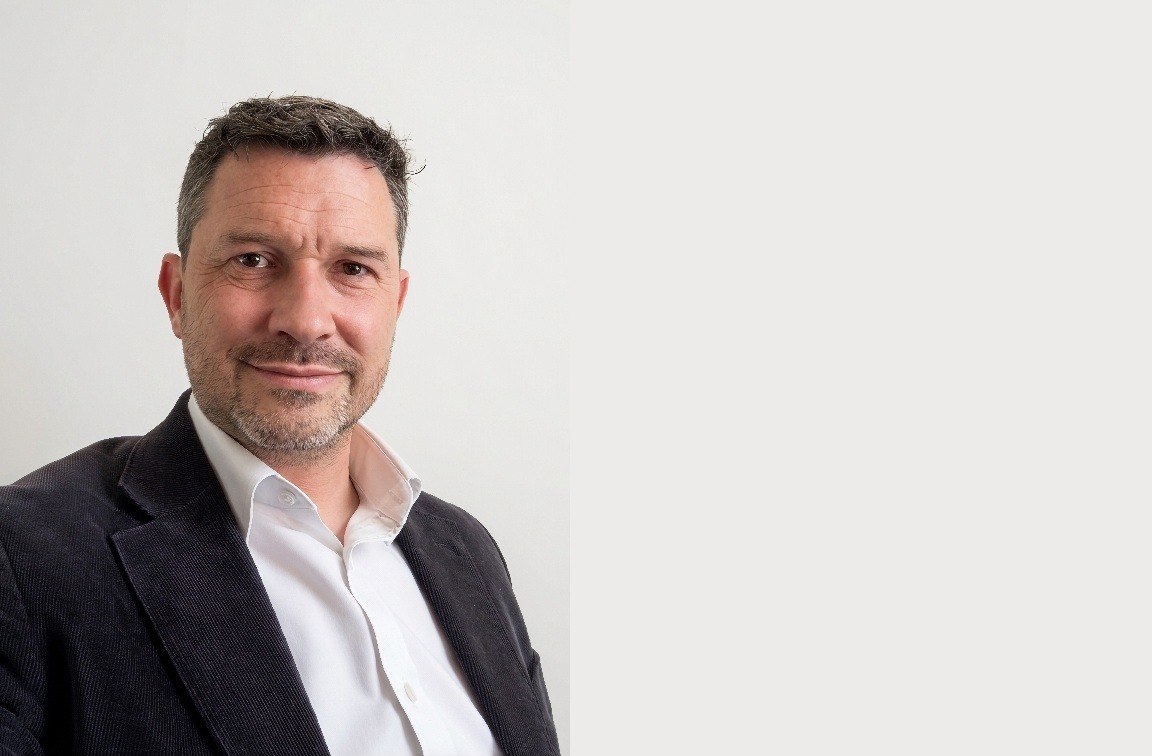
Hans Büthker takes over the position of CEO of GKN Aerospace in January 2018.
The business has grown rapidly by acquisition over recent years, increasing in scale from £600m turnover in 2006 to more than £3.5bn at the end of 2018. Today, it is structured with four independent divisions, each focused around products and internal capabilities.

In the new structure, GKN Aerospace will fully integrate as one business, with customer-facing teams and a single, connected network of global sites, all supported by shared services. The company says the new structure will enable the business to better serve its customers, improve operational performance, collaborate internally and maximise its potential for future growth.
Hans Büthker, Chief Executive Officer GKN Aerospace, said: “We are creating a single, fully integrated business aligned to our customers’ needs, which will ensure we are better positioned within the competitive global aerospace market.
“Our rapid growth has brought us world-leading technology, an outstanding global footprint from which to support our customers, a balanced portfolio of work across all major aircraft platforms, and great people. It has also made us relatively complex. By taking the next step and fully integrating, we can begin to realise our full potential.”
The reorganisation will take place within the next two years and, following the move to simplify the business, GKN Aerospace’s global headcount is expected to reduce by around 1,000 roles. These will be non-production roles, as it reduces layers of management and support functions and increases its focus on operations.
GKN Aerospace will aim to manage as much of this reduction as possible through natural means, such as the usual turnover of people, vacancy management and redeployment of employees.
Mr Büthker continued: “This is a fundamental transformation of the business and it is the right move for the long-term as we move into a more coherent business structure. The reduction in roles is difficult for all involved and we will work closely with Works Councils and social partners in all our key regions over the coming months to minimise the impact wherever possible, and ensure the process is managed in the most appropriate way.”
GKN Aerospace first outlined its future intention to integrate via a single global operating model in Quarter 1 last year, and consultation has now begun with key stakeholders on the details of the proposals.
“Looking ahead, when this restructure is complete, we will be simpler, stronger and more successful,” said Mr Büthker. “We will be better able to standardise our processes and internal systems, and therefore drive up operational performance. We will be able to collaborate and share best practice more effectively across our network of sites. We will be able to offer our full range of technology to customers via clear customer-facing teams. In all, we will be more efficient and better positioned for future growth.”
GKN Aerospace has 50 manufacturing sites across 15 countries and today employs around 18,000 people.