HMGCC opens its doors to industry and academia
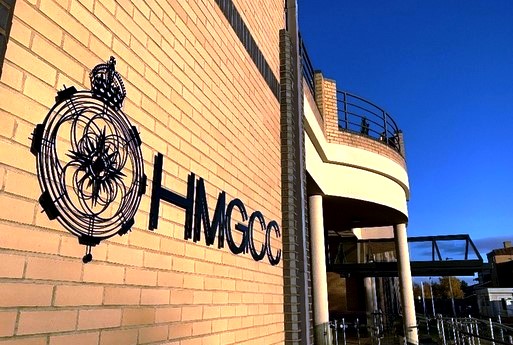
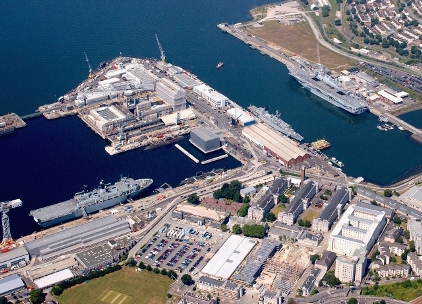
Above:
HMGCC offices.
Image by HMGCC / Crown Copyright
The initiative by His Majesty’s Government Communications Centre (HMGCC), in partnership with the Defence Science and Technology Laboratory (Dstl), comes as new technologies pose an ever-greater challenge to the people and agencies keeping the UK safe.

It will allow HMGCC to work more closely than ever before with the companies and institutions at the forefront of technological innovation and help the UK solve some of the most difficult problems facing all those working in service of the UK’s national security.
Partnerships with HMGCC, since it was established in 1938, have so far seen breakthroughs in keeping batteries charged in extremely cold environments, and in building secure telecoms solutions to help UK government organisations keep their people safe in some of the most dangerous parts of the world.
HMGCC, based at Hanslope Park near Milton Keynes, has been a centre of national security engineering excellence since its foundation. Computing pioneer Alan Turing used to work on HMGCC’s current site. Turing, whose work to break the Enigma cipher has been credited with shortening the Second World War by as much as two years, developed a world first in speech encryption – named Delilah – while at HMGCC.
HMGCC Chief Executive Officer George Williamson said: "We have hundreds of brilliant engineers and technicians here at HMGCC who, over the years, have come up with countless bespoke solutions to enable those striving to keep the country safe in our national security community.
"That amazing work continues and now we also want to ensure we are reaching out to work more closely with external industry and academia, creating a broader hub of engineering excellence.
"Going forward, we are really excited about the opportunities that these new ways of working will offer us, helping us to build on our technical capabilities at a time when the pace of technological advancement is extraordinary."
Examples of what HMGCC works on today could include helping develop tools so agencies operating overseas in often hostile, dangerous areas can communicate secretly, or by creating technologies to support the investigative techniques of agencies, such as surveillance. In these situations, the devices we create could be involved to help in intelligence gathering around suspected terrorists, or in cases of groups involved with serious crime. It is always about using technology to help keep the country safe.
Author Sir Dermot Turing, nephew of Alan Turing, said: "I am delighted at this initiative. It was at Hanslope Park that Alan Turing did some of his most inventive and secret work during World War Two, creating a machine to thwart enemy eavesdroppers trying to listen in on Winston Churchill’s secret phone-calls. The new HMGCC partnership continues in the same tradition of bringing in external talent for the same purpose – keeping us safe."
Dstl’s Chief Executive Dr Paul Hollinshead said: "HMGCC Co-Creation is an incredibly important partnership and gives both HMGCC and Dstl a much wider reach to find and work hand-in-hand with the best minds in the industrial and academic community than was possible before to help tackle national security challenges."