IATA urges governments to prepare for transporting Covid-19 vaccines by air

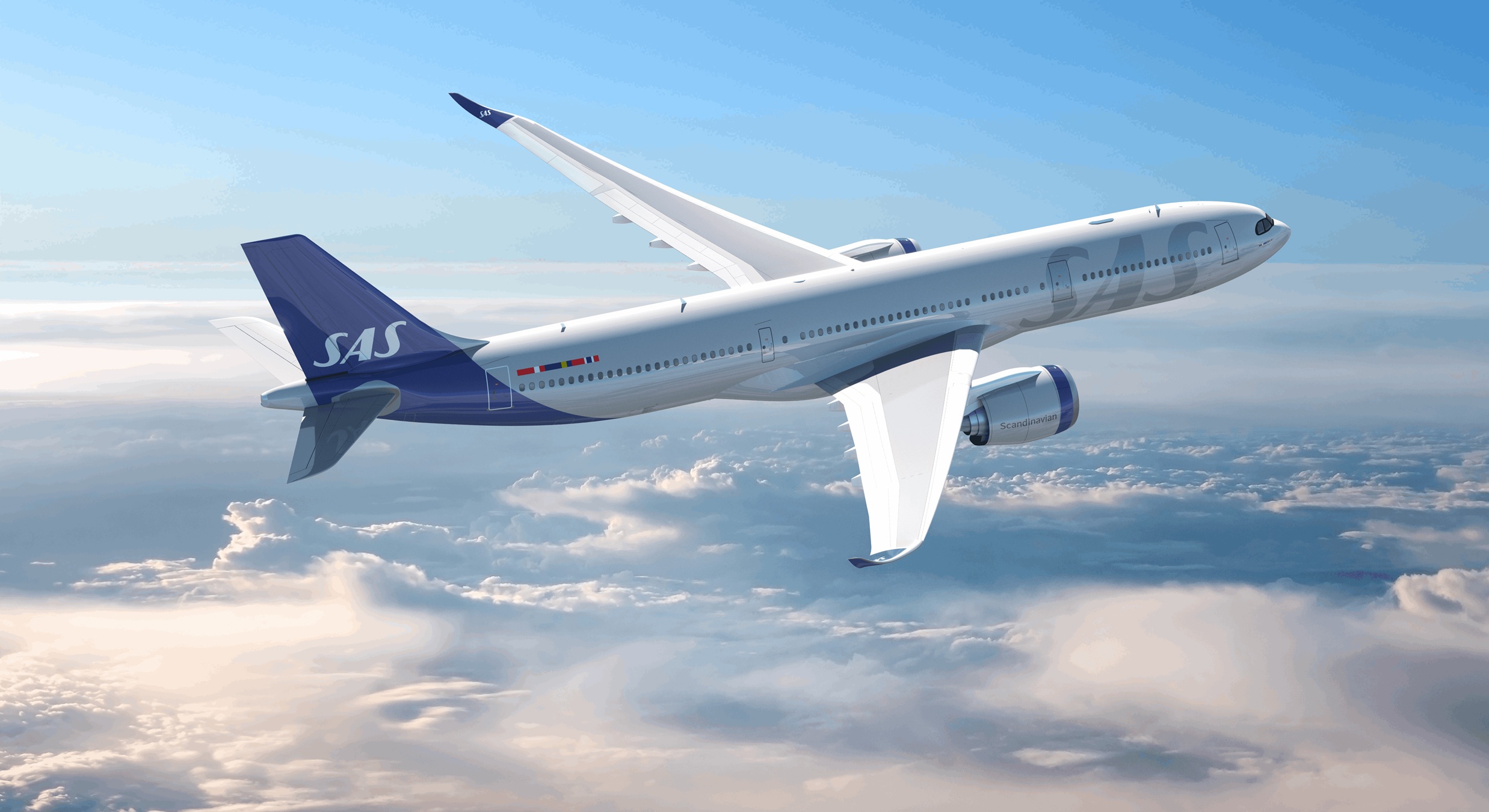
Image courtesy IATA
The association also warned of potentially severe capacity constraints in transporting vaccines by air.
Preparedness
Air cargo plays a key role in the distribution of vaccines in normal times through well-established global time- and temperature-sensitive distribution systems. This capability will be crucial to the quick and efficient transport and distribution of COVID-19 vaccines when they are available, and it will not happen without careful planning, led by governments and supported by industry stakeholders.

“Safely delivering COVID-19 vaccines will be the mission of the century for the global air cargo industry. But it won’t happen without careful advance planning. And the time for that is now. We urge governments to take the lead in facilitating cooperation across the logistics chain so that the facilities, security arrangements and border processes are ready for the mammoth and complex task ahead,” said IATA’s Director General and CEO, Alexandre de Juniac.
“Delivering billions of doses of vaccine to the entire world efficiently will involve hugely complex logistical and programmatic obstacles all the way along the supply chain. We look forward to working together with government, vaccine manufacturers and logistical partners to ensure an efficient global roll-out of a safe and affordable COVID-19 vaccine,” said Dr Seth Berkley, CEO of Gavi, the Vaccine Alliance.
Facilities: Vaccines must be handled and transported in line with international regulatory requirements, at controlled temperatures and without delay to ensure the quality of the product. While there are still many unknowns (number of doses, temperature sensitivities, manufacturing locations, etc.), it is clear that the scale of activity will be vast, that cold chain facilities will be required and that delivery to every corner of the planet will be needed. Priorities for preparing facilities for this distribution include:
• Availability of temperature-controlled facilities and equipment - maximizing the use or re-purposing of existing infrastructure and minimizing temporary builds
• Availability of staff trained to handle time- and temperature-sensitive vaccines
• Robust monitoring capabilities to ensure the integrity of the vaccines is maintained
Security: Vaccines will be highly valuable commodities. Arrangements must be in place to keep ensure that shipments remain secure from tampering and theft. Processes are in place to keep cargo shipments secure, but the potential volume of vaccine shipments will need early planning to ensure that they are scalable.
Border Processes: Working effectively with health and customs authorities will, therefore, be essential to ensure timely regulatory approvals, adequate security measures, appropriate handling and customs clearance. This could be a particular challenge given that, as part of COVID-19 prevention measures, many governments have put in place measures that increase processing times. Priorities for border processes include:
• Introducing fast-track procedures for overflight and landing permits for operations carrying the COVID-19 vaccine
• Exempting flight crew members from quarantine requirements to ensure cargo supply chains are maintained
• Supporting temporary traffic rights for operations carrying the COVID-19 vaccines where restrictions may apply
• Removing operating hour curfews for flights carrying the vaccine to facilitate the most flexible global network operations
• Granting priority on arrival of those vital shipments to prevent possible temperature excursions due to delays
• Considering tariff relief to facilitate the movement of the vaccine
Capacity
On top of the transport preparations and coordination needed, governments must also consider the current diminished cargo capacity of the global air transport industry. IATA warned that, with the severe downturn in passenger traffic, airlines have downsized networks and put many aircraft into remote long-term storage. The global route network has been reduced dramatically from the pre-COVID 24,000 city pairs. The WHO, UNICEF and Gavi have already reported severe difficulties in maintaining their planned vaccine programs during the COVID-19 crisis due, in part, to limited air connectivity.
“The whole world is eagerly awaiting a safe COVID vaccine. It is incumbent on all of us to make sure that all countries have safe, fast and equitable access to the initial doses when they are available. As the lead agency for the procurement and supply of the COVID vaccine on behalf of the COVAX Facility, UNICEF will be leading what could possibly be the world’s largest and fastest operation ever. The role of airlines and international transport companies will be critical to this endeavour,” said Henrietta Fore, UNICEF Executive Director.
The potential size of the delivery is enormous. Just providing a single dose to 7.8 billion people would fill 8,000 747 cargo aircraft. Land transport will help, especially in developed economies with local manufacturing capacity. But vaccines cannot be delivered globally without the significant use air cargo.
“Even if we assume that half the needed vaccines can be transported by land, the air cargo industry will still face its largest single transport challenge ever. In planning their vaccine programmes, particularly in the developing world, governments must take very careful consideration of the limited air cargo capacity that is available at the moment. If borders remain closed, travel curtailed, fleets grounded and employees furloughed, the capacity to deliver life-saving vaccines will be very much compromised,” said de Juniac.