

Intelligent Energy debuts heavy-lift hydrogen UAV powertrain


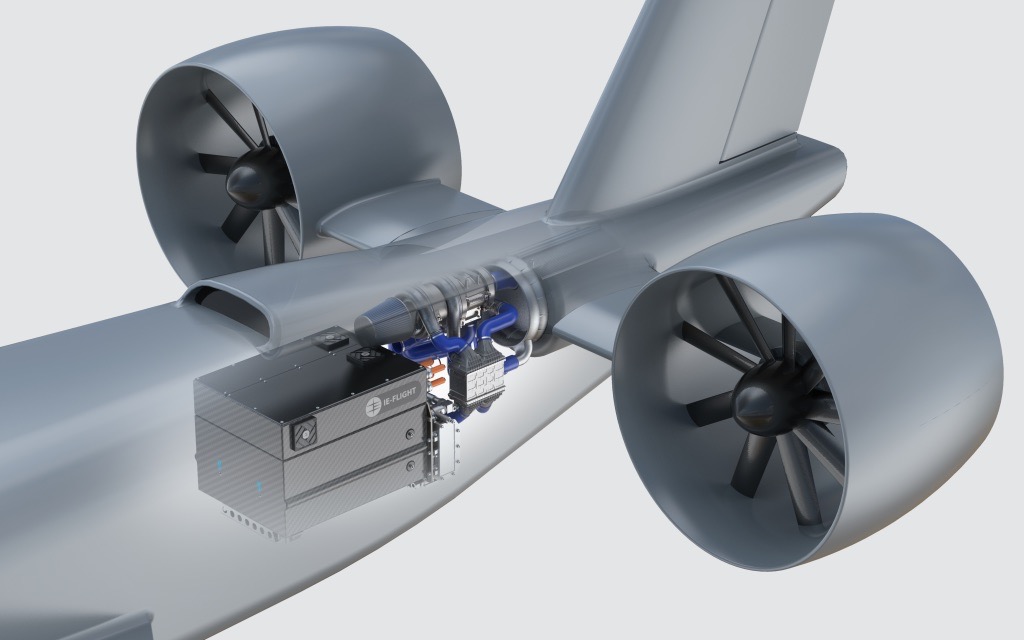
Loughborough-based Intelligent Energy has unveiled a new 120kW hydrogen fuel cell powertrain for heavy-lift fixed-wing uncrewed aircraft. The debut marks the company’s entry into a higher-power segment of the UAV market and comes as the UK Government announces a £5 billion investment in drones and autonomous systems through its Defence Investment Plan (DIP).
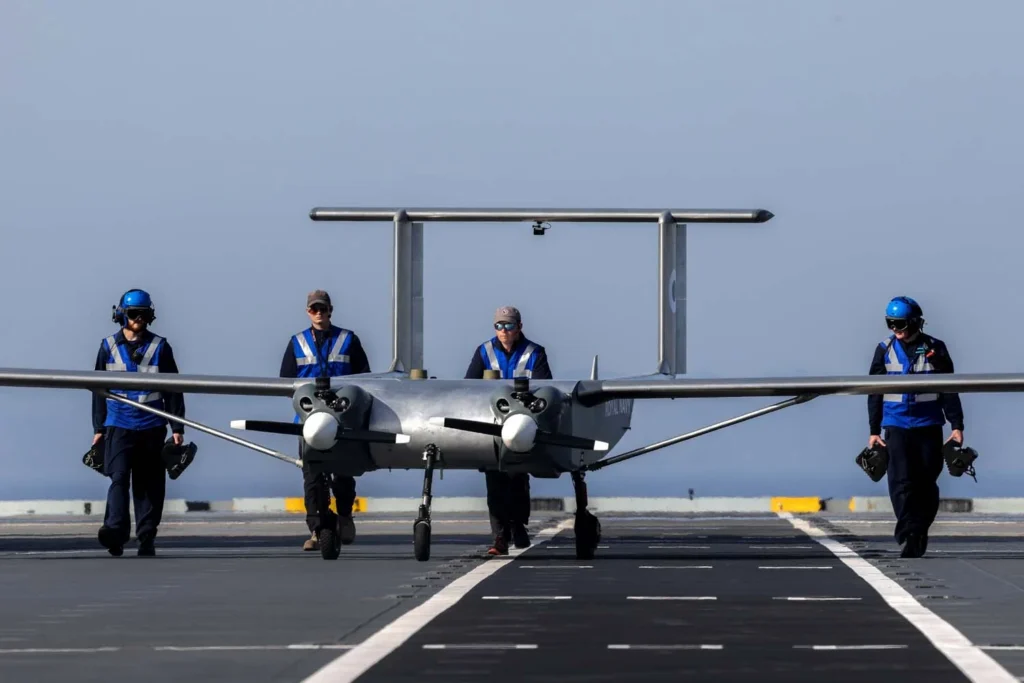
The new propulsion system is designed for fixed-wing UAVs carrying payloads between 150kg and 750kg. It targets defence, security, intelligence, surveillance, and logistics missions requiring long endurance and zero-emission flights.
120kW hydrogen system for heavy-lift missions
The new powertrain expands Intelligent Energy’s UAV portfolio. The company has also developed lower-power hydrogen fuel cell systems, including its modular IE-SOAR range, which can be combined to deliver up to 24kW.
Its systems have previously powered record-breaking multi-rotor UAV flights, including a hydrogen-powered drone that flew for more than 12 hours.
At 120kW, the new system is aimed at much larger aircraft capable of transporting substantial payloads over long distances while emitting only water vapour. Hydrogen fuel cells offer higher energy density than conventional batteries, enabling longer endurance at a lower weight than large battery packs.
Greg Harris, Chief Commercial Officer at Intelligent Energy, said the UAV market is demanding greater range and payload capability.
“The UAV market is moving rapidly towards larger aircraft that need to fly further, carry heavier payloads and stay airborne for much longer. That’s where hydrogen fuel cells have a clear advantage,” Harris said in the company’s announcement, adding that the new fixed-wing power system proves the “fuel cell technology can scale.”
“It builds on the same platform we’re developing for larger aircraft and shows how hydrogen can unlock new capability across both the UAV and aerospace sectors,” he said.
Largest UAV order signals growing commercial demand
Alongside the product launch, Intelligent Energy revealed it has secured its largest order to date for its IE-SOAR hydrogen UAV propulsion technology, although it did not disclose the customer or contract value.
“Combined with a record order for our IE-SOAR technology, this launch underlines a clear trend in the market. Operators are increasingly turning to hydrogen propulsion to achieve longer endurance, greater payload capacity and improved mission capability,” Harris said.
The company notes growing adoption of hydrogen propulsion as drone operators seek alternatives to conventional batteries for missions requiring extended endurance. Heavy-lift UAVs can provide military resupply, border surveillance, infrastructure inspection and cargo transport, with longer flight times offering a significant operational advantage.
Powering next-generation aircraft
Last year, Intelligent Energy secured £17 million through the Aerospace Technology Institute (ATI)-backed HEIGHTS programme. The funding would help the company accelerate the development of a new 300kW modular aviation fuel cell platform that could power next-generation transport aircraft with capacity for up to 19 passengers.
“The UK has a once-in-a-generation opportunity to consolidate its global lead in hydrogen aviation and build a strong domestic manufacturing capability,” said David Woolhouse, CEO of Intelligent Energy. “The hydrogen economy for aviation will be a major industrial sector.”
The company has also established a high-power fuel cell test centre in Chelveston, Northamptonshire, to support future development.
Sign up for our newsletter and get our latest content in your inbox.
Similar Reads


Sign up for our newsletter. Select all sectors relevant to you.
Related