JFD Australia demos submarine rescue system at White Carillon
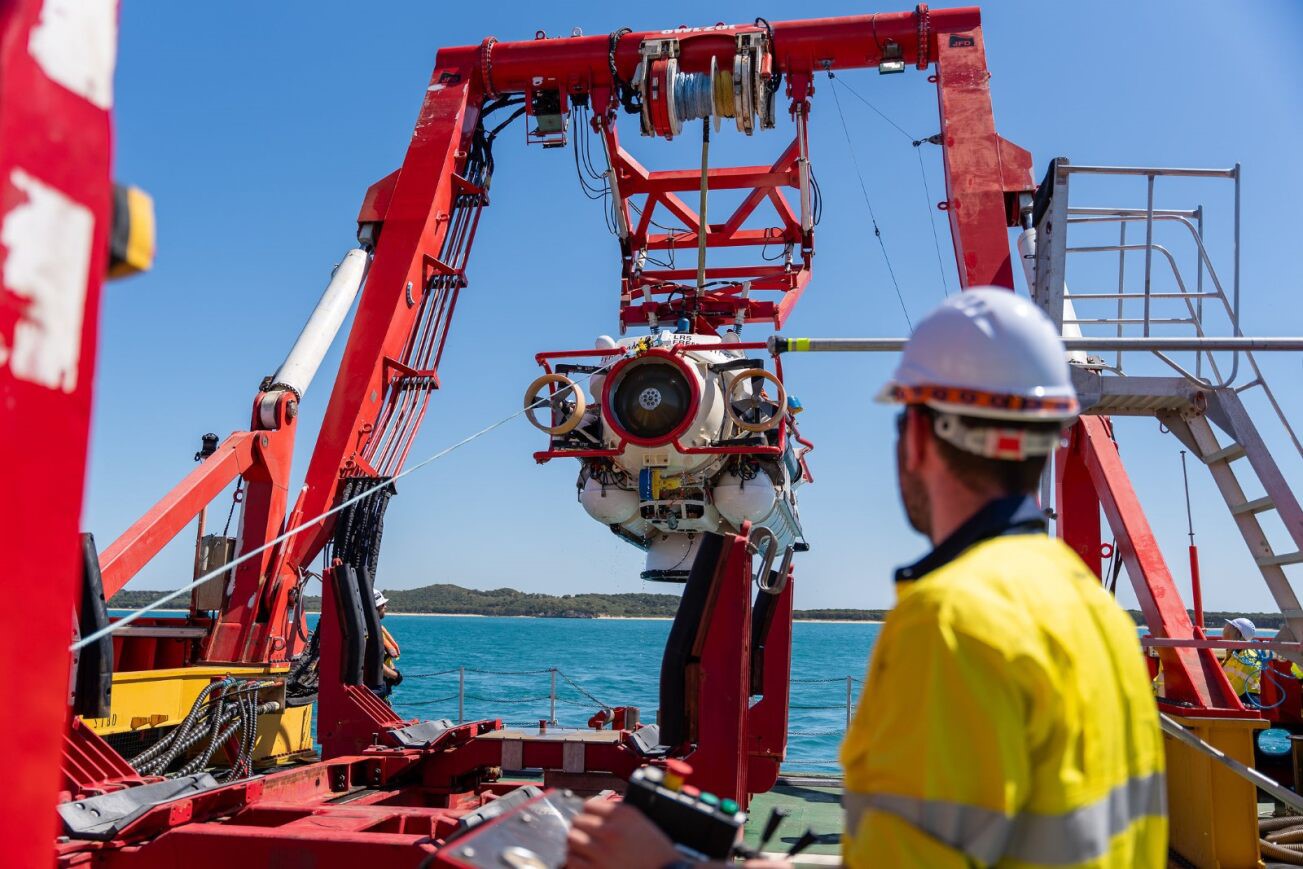
Image courtesy JFD
Over a two-week period, the system completed a range of simulated rescues using underwater targets in varying depths and conditions to achieve its yearly safety and operational certification.
“This is a critical sovereign capability that JFD supplies, which is why exercises like these are immensely important. Not only do they ensure that Australia’s system receives annual certification and compliance to Navy assurance processes - it gives submariners and other defence personnel the peace of mind that, in the event of a submarine in distress, they are in the safest possible hands.” said Ms Cathy Falkiner, Managing Director, JFD Australia.

JFD’s fully integrated rescue system, which has a strong safety track record in all types of water currents and depths, can save submariners from a disabled submarine and transfer them safely to the water’s surface.
Using sonar to locate the submarine, a remotely operated vehicle is deployed to survey for the disabled submarine. Tracking devices are deposited and allow a free-swimming Deep Search and Rescue Vehicle (a 'mini' submarine) to be launched from a nearby ship, to find the disabled submarine as quickly as possible.
The piloted vehicle then dives down to 'mate' with the submarine’s escape hatch, rescuing and transporting the crew under pressure to the water’s surface and into a state-of-the-art hyperbaric equipment suite, that can provide crucial medical treatment.
This means the entire crew of a Collins-class submarine can be saved and then given access to care in the JFD Hyperbaric Reception Chamber facility, as quickly and efficiently as possible.
There are only six air transportable submarine rescue systems in the world and JFD supplies five of them – in Australia and also in Singapore, India, Korea and to NATO members.
“The time to first rescue is all that matters in a submarine emergency when our sole focus is on saving lives,” said Ms Falkiner.
“We are proud to be on standby and 'rescue ready' at 12 hours’ notice to respond from our national headquarters at Bibra Lake, south of Perth with a team of dedicated professionals committed to ensuring the safety of submariners will always be our number one priority.”
Importantly, the exercise also saw JFD qualify the following key personnel:
- Two submersible rescue chamber operators.
- One x P1- the P1 is the lead position in the submersible and is effectively the command role and retains overall responsibility for the success of the mission from the submersible point of view.
- Two x P2 pilots received further training in progression towards becoming P2 and ultimately P1 pilots.
- Operational manager/director – command leadership. Command and Control is a key role in our operations, training was given to new personnel, building on our local in country capability to support rescue operations.