LENA Space to develop electric pumps for launch vehicle propulsion
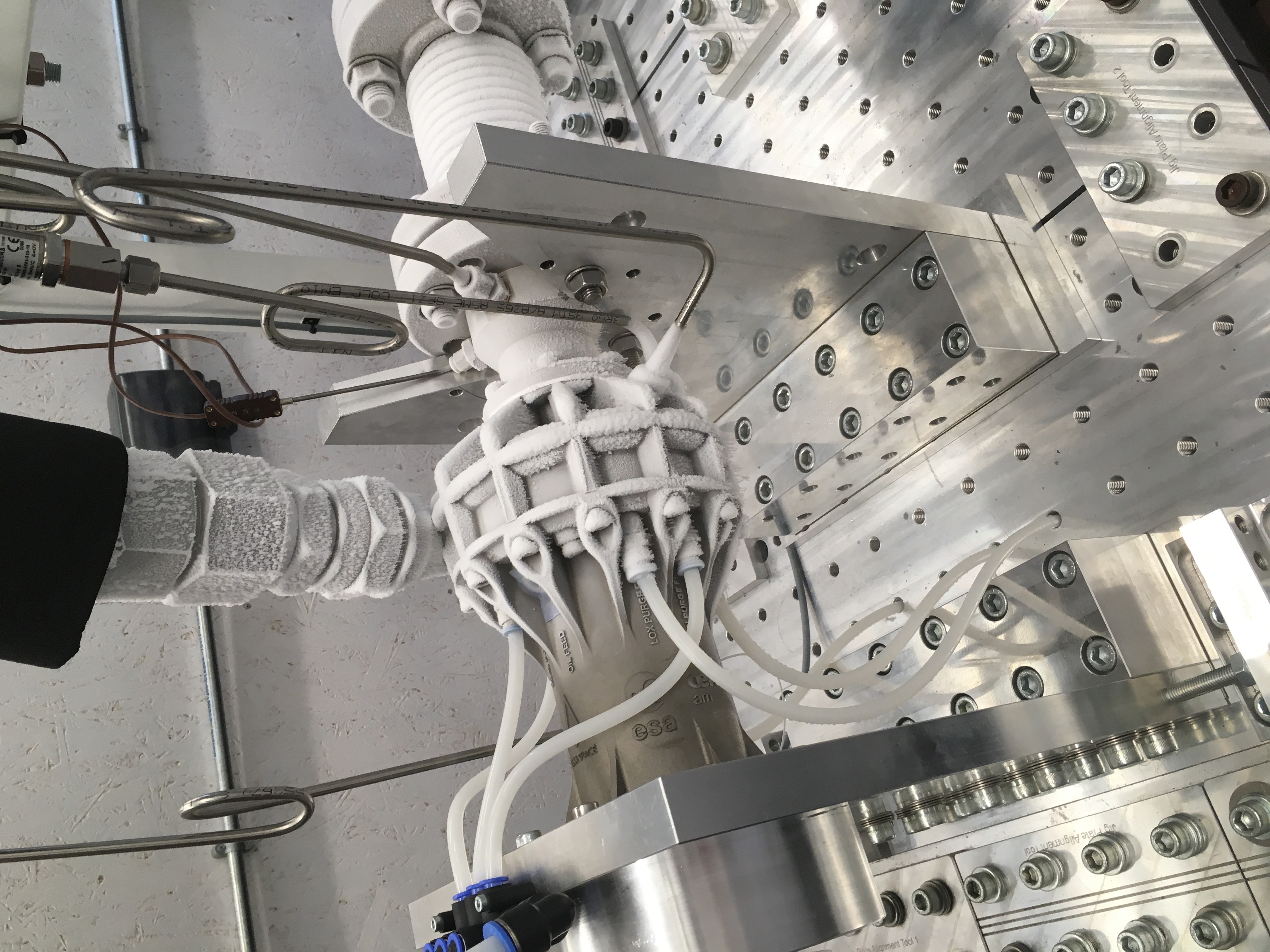
Image courtesy LENA Space
SPRINT will provide funded access to enable LENA Space to collaborate with experts from the University of Southampton on the testing of rocket propellant pump bearings and seals in extreme operating conditions. This will enable LENA Space to develop a new satellite launch vehicle propulsion system that will meet the propulsion requirements of a comprehensive range of UK and European launch vehicle designs.

LENA Space is developing a set of electric propulsion pumps that will provide rocket propellants to a rocket engine within a launch vehicle. The bearings necessary to enable a pump impeller to rotate at very high speed are critically important to the pump design and must be able to operate in extreme environments, notably high axial and radial loads and at very low temperatures due to the cryogenic rocket propellants that are used to provide cooling and lubrication to the bearing. The SPRINT project includes testing of the components at temperatures down to -180 degrees Celsius and speeds in excess of 70,000 rpm.
The University of Southampton will provide expertise in bearing and mechanical seal tribology to this project, supporting the pump bearing test rig design, the test programme design and the analysis of the test results. The national Centre for Advanced Tribology at Southampton (nCATS) has conducted extensive bearing and seal tribology research and has developed world leading expertise in these areas. The nCATS facility has comprehensive tribological test and characterisation capabilities.
This project with the University of Southampton will be funded by the £7.2 million SPRINT (SPace Research and Innovation Network for Technology) programme. SPRINT provides unprecedented access to university space expertise and facilities. SPRINT helps businesses through the commercial exploitation of space data and technologies.
Lee Giles, Chief Technology Officer at LENA Space said: “The SPRINT project will enable us to benefit from the tribology experience at the University of Southampton to support two critical areas of the propellant pumps. As these items are critical to the product’s performance, a significant amount of analysis and testing is required at component level before the overall pump design can be approved.
“Working with tribology experts at the University of Southampton will significantly reduce development time and will lower programme costs, as the expert analysis and simulation work will identify the parameters we need to design into our product. The testing will enable us to prepare the product for Technology Readiness Level 6 for further reviews by the European Space Agency, with the aim of flight testing and commercialisation.”
Professor Ling Wang, Professor of Tribo-Sensing and Head of nCATS Group within Engineering and Physical Sciences at the University of Southampton added: “We are a national centre of excellence for the science and engineering of friction, lubrication and wear for a wide range of applications. The project with LENA Space offers a new challenge in the space sector that hasn’t been the focus of our research. We are confident that we can apply our expertise and knowledge of other areas to the LENA Space bearings, at very high speeds and cryogenic temperatures.”