
Advancing UK Aerospace, Defence, Security & Space Solutions Worldwide
  • Home
  • /
  • Defence
  • /
  • Lockheed Martin approves use of SATF for F-35s

Defence

Lockheed Martin approves use of SATF for F-35s
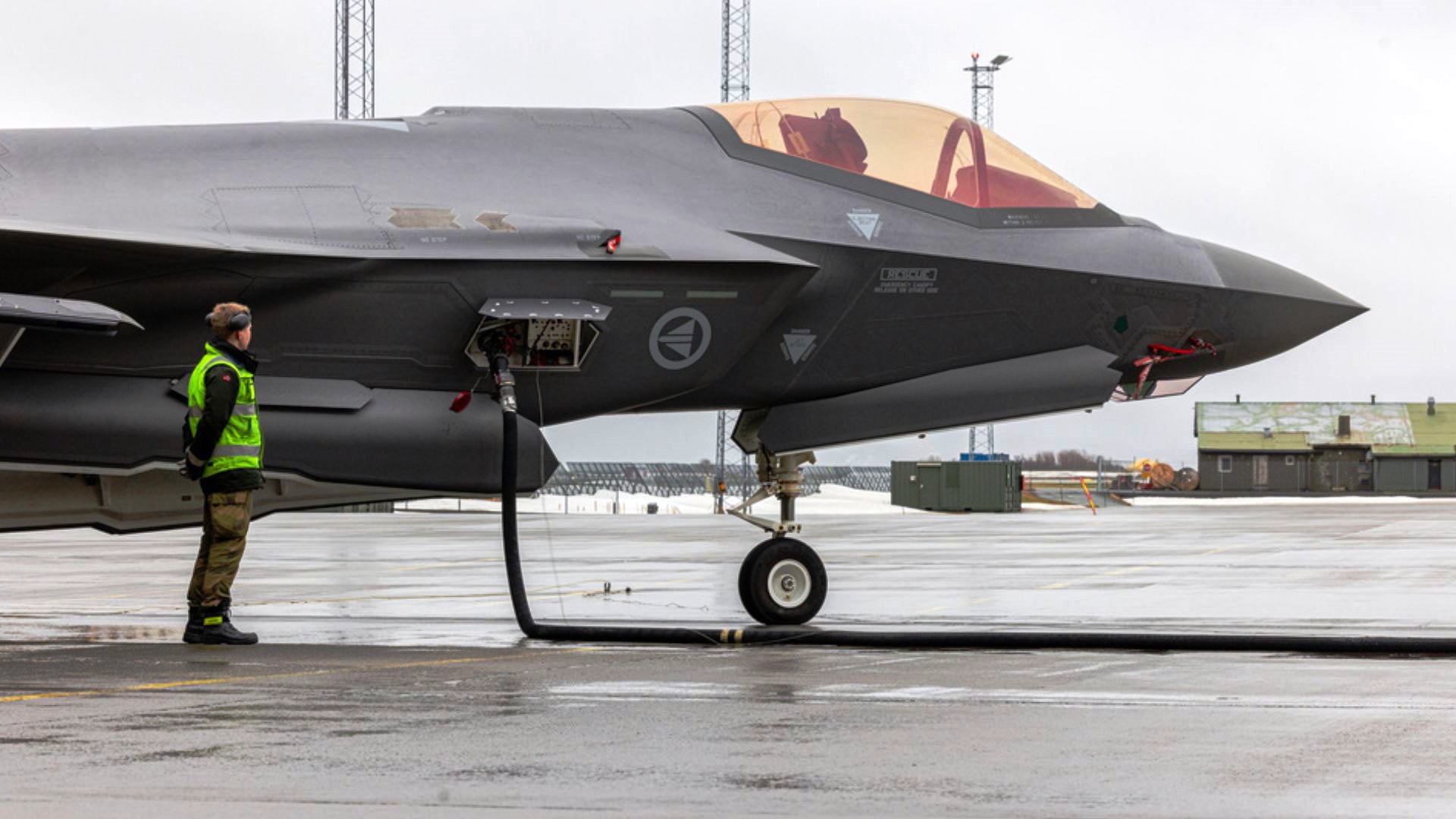
Lockheed Martin has approved the use of Synthetic Aviation Turbine Fuels (SATF) in the F-35 Lightning II, with the new fuel sources boosting readiness by reducing reliance on the extended supply chain.

Image courtesy Lockheed Martin

Chauncey McIntosh, vice president and general manager of the F-35 programme at Lockheed Martin said: “Lockheed Martin is committed to ensuring the F-35 is always ready for any customer mission.

“Adding new fuel sources helps make this happen by diversifying the supply chain while maintaining operational excellence. As the cornerstone of the joint fleet, the F-35 will continue to lead the US and allied air dominance mission for decades to come."

Advertisement
ODU RT

The approval allows F-35s to operate with synthetic blends at currently approved limits of up to 50%, depending on the type of raw materials and production pathway, combined with conventional jet fuel.

Lockheed Martin completed comprehensive technical and strategic analysis to ensure SATF meets the strict performance and reliability standards required for the F-35’s complex, high-demand missions.
    
The integration of SATF also supports the US Department of Defense’s objectives for energy substitution and diversification while enhancing energy resilience and operational flexibility.

Advertisement
PTC rectangle

SATFs are derived from various raw materials, including fossil-based sources such as coal and natural gas, as well as renewable or sustainable sources like waste oils, agricultural residues and other non-fossil-based sources.

More than 1,100 F-35s are currently operational around the globe and the fleet has surpassed 971,700 flight hours. F-35s operate from 33 bases worldwide, including 10 nations operating on home soil.

Advertisement
ECS leaderboard banner
Defence personnel to gain greater powers to defeat drones

Defence Security

Defence personnel to gain greater powers to defeat drones

3 February 2026

The security of key military sites will be strengthened as Defence personnel will be given stronger powers to defeat drones near bases as part of new measures being introduced in the Armed Forces Bill.

Viasat launches satellite service portfolio for government UAV ops

Defence Security Space

Viasat launches satellite service portfolio for government UAV ops

2 February 2026

Viasat today launched its next-generation satellite service portfolio, engineered to meet the evolving demands for government uncrewed aerial vehicle (UAV) operations worldwide, including intelligence surveillance and reconnaissance (ISR), emergency response and special operations.

BAE Systems opens new office in Utah

Defence

BAE Systems opens new office in Utah

2 February 2026

BAE Systems has announced the opening of its new office in Utah, marking an expansion of the company’s local footprint and continued investment in the state’s workforce, economy and innovation ecosystem.

ABT sets framework for OEM battery development

Aerospace Defence Security

ABT sets framework for OEM battery development

2 February 2026

UK battery pack manufacturer Alexander Battery Technologies (ABT), has set out a clearer framework for how OEMs can approach battery development.

Advertisement
Security & Policing Rectangle
Marshall and Nordiq to advance defence medical technology

Defence

Marshall and Nordiq to advance defence medical technology

2 February 2026

Marshall Aerospace and Nordiq Products have commenced an industrial cooperation (IC) project to support the development and path to market for a next-generation vital signs monitoring capability.

NATO and Systematic to advance Land C2 training capabilities

Defence

NATO and Systematic to advance Land C2 training capabilities

30 January 2026

As part of the ongoing DEMETER Project, a new contract has been signed between NATO and Systematic to advance the delivery of both classroom and computer-based learning, ensuring seamless continuation and adaptation of current and future Land C2 training, while also securing the Alliance’s ability to provide learning throughout the capability ...

Advertisement
ODU RT
Advertisement
General Atomics LB