London City becomes first major airport controlled by remote digital tower
All flights on the summer schedule are being guided to land or take off from the heart of the London Docklands business district by air traffic controllers based 115km away at NATS’ air traffic control centre in Swanwick, Hampshire, using an ‘enhanced reality’ view supplied by a state-of-the-art 50m digital control tower.

The technology marks a step-change in global air traffic management and will help the airport meet an expected surge in demand for flying during the summer season as COVID-19 restrictions are eased from Monday 17th May.
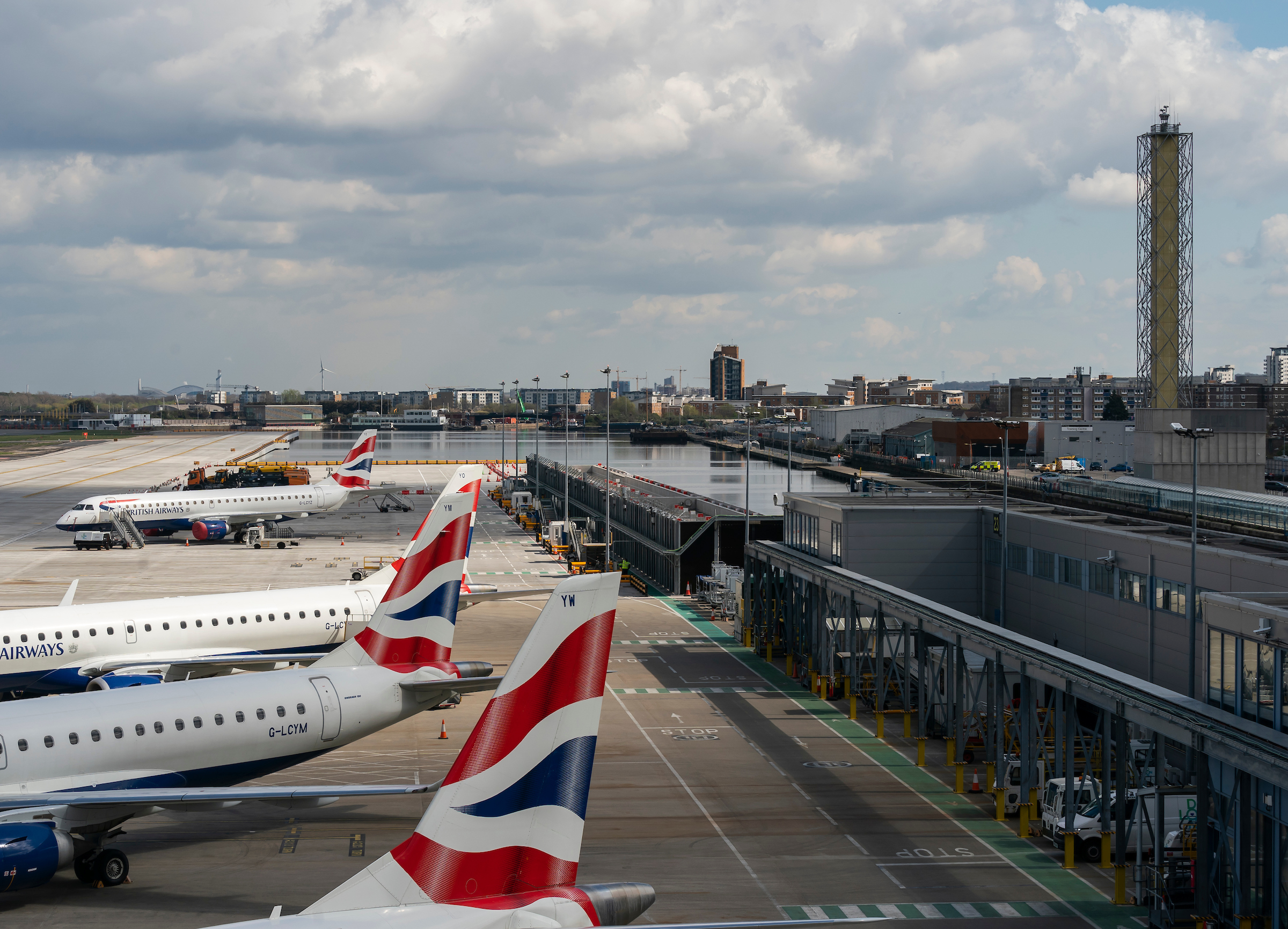
Image courtesy London City Airport
The multi-million-pound investment in the proven remote digital technology marks a major milestone in City Airport’s investment in its future, following the completion of new aircraft stands and a full-length parallel taxiway which became operational in December 2020.
Alison FitzGerald, Chief Operating Officer at London City Airport, said: “We are immensely proud to become the first major international airport to adopt this pioneering technology.
This investment in smart infrastructure will help us meet future growth in passenger demand, improve air traffic management and give us enhanced capability as aviation bounces back from the pandemic.
It is also a demonstration of the commitment to innovation in the UK aviation sector and to being at the forefront of defining the future of flight.
Since going operational at the end of January, the technology has worked really well and is ready for the expected increase in demand for flights as Brits book their well-deserved summer getaways.”
Juliet Kennedy, Operations Director at NATS, said: “This is the UK’s first major digital control tower and represents a significant technological and operational achievement, especially against the backdrop of COVID-19.
Digital tower technology tears up a blueprint that’s remained largely unchanged for 100 years, allowing us to safely manage aircraft from almost anywhere, while providing our controllers with valuable new tools that would be impossible in a traditional control tower.”
The technology was pioneered by Saab Digital Air Traffic Solutions, which has successfully tried and tested the system at Örnsköldsvik and Sundsvall airports in Sweden.
Magnus Lewis-Olsson, Chairman and President of Saab UK, commented: “This is an important milestone for Saab in the implementation of remote air traffic solutions at major civil aerospace hubs with dense traffic in a complex airspace. We look forward to seeing the technology take off at London City Airport, giving controllers new tools and safety features which demonstrate the benefits Digital Towers can bring.”
Sixteen high-definition cameras and sensors mounted on the mast capture a 360-degree view of the City Airport airfield. This is relayed through super-fast fibre connections to a new control room in NATS’ air traffic control centre in Swanwick. A dedicated team of controllers use the live footage, an audio feed from the airfield and radar information to instruct aircraft movements in and out of the airport.
The live feed, transmitted through independent secure fibre networks, is displayed on 14 HD screens in the Swanwick control room to provide a panoramic moving image. This can be overlaid with digital data to provide an ‘enhanced reality’ view.
Information such as call signs, altitude and speed of all aircraft approaching and leaving the airport, weather readings and the ability to track moving objects can all be included in this single visual display. Pan-tilt-zoom cameras can magnify images up to 30 times for close inspection.
The digital technology significantly improves controllers’ situational awareness, enabling quick and informed decisions to improve safety and operational efficiency.
City Airport’s digital control tower was completed in 2019 and has been through an extensive period of testing before becoming fully operational. The 30-year-old analogue tower, which was due a significant upgrade, will be redeveloped as part of the airport’s modernisation programme.
Research has revealed huge pent-up demand for international travel this summer. The airport’s biggest customer, British Airways, is introducing a new route to San Sebastian, Spain, alongside popular holiday destinations including Ibiza, Mykonos and Santorini to help meet the expected surge in short-haul travel.
Independent polling conducted last month showed that 72% of frequent flyers want to return to travel when restrictions are lifted, while 71% believe that travel should be allowed to and from countries that have COVID-19 under control.