Met to introduce LFR across London's West End
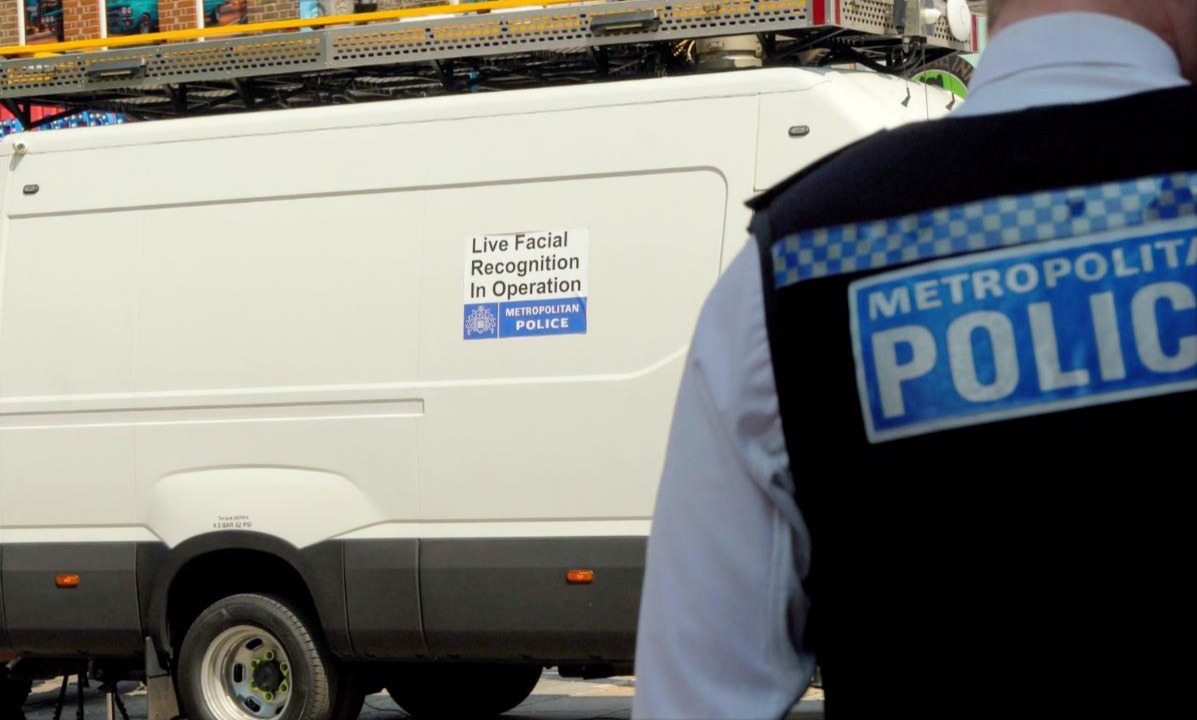
Image courtesy The Met
The move will see the Met introduce static cameras across the West End and Soho by the end of the year, strengthening coverage in areas with the highest crime. While these cameras are static, they will not be permanent in any one location. As officers see shifts in crime patterns or tactics, cameras can be repositioned to target emerging hotspots.

In parallel, the force will work with local councils to identify additional high crime areas, with plans to accelerate the rollout of cameras across London from next year.
This will be transformative in some of the busiest high crime areas of the capital, helping keep residents and visitors safe from crime.
LFR deployments typically require the use of a dedicated van which houses both cameras and the computer equipment required to use them.
During the pilot in Croydon the technology helped us arrest more than 170 people, with cameras instead mounted to existing infrastructure such as lampposts, allowing officers to run deployments in a more agile way.
The Met has made more than 2,000 arrests using LFR cameras since the start of 2024, helping take rapists, sex offenders and prolific shoplifters off the streets of London.
Commissioner Sir Mark Rowley is delivering a speech tomorrow in partnership with Police Foundation, focusing on the future of policing reform and the role of technology in delivering more effective, visible and transparent policing across London.
Facial recognition technology forms a key part of the Met’s approach to precision policing - using data and innovation to locate those responsible for the most harm, protect victims and reduce crime in the capital.
Commissioner Sir Mark Rowley said: “Facial recognition is one of the most revolutionary technology advances in policing in recent years. Public confidence in this is clear - around 80% of Londoners support its use. That backing reflects a simple truth: it works.
“We have already seen the impact in Croydon, where a six-month pilot delivered over 170 arrests, a reduction in crime and a significant fall in violence against women and girls. All these results with only one false alert among hundreds of thousands of people. The technology supports officers to target wanted criminals and registered sex offenders. Crucially it is supporting officers - not replacing them.
“Now we’re taking that capability further. We want to build on our success by introducing this capability to the West End and Soho by December. The use of static cameras will help us continue cutting crime in high-footfall areas in central London.
“We also have to be clear about the threat we face - criminals are not standing still. They are quick to exploit new technology to commit offences, evade detection and target victims at scale. Policing cannot afford to fall behind and this is another step towards tackling that.”
Dee Corsi, Chief Executive of New West End Company, said: "We have long supported the responsible use of Live Facial Recognition (LFR) as an effective tool in tackling crime, improving public safety and enhancing public confidence. A pilot scheme in the West End presents a significant opportunity that we very much welcome and are working closely with the Metropolitan Police and other partners to explore funding opportunities.
“As one of the world's busiest destinations for retail, leisure, hospitality and business, the West End must continue to invest in innovative measures that help keep businesses, workers and visitors safe. LFR would complement the £23 million investment New West End Company is making on behalf of its businesses in enhanced security over the next five years.
“Reducing crime requires strong collaboration between businesses, policing and local government and we look forward to continuing that partnership to make the West End safer for all."
Westminster City Council’s Cabinet Member for Enforcement, Councillor Caroline Sargent, said: "The City Council is committed to enhancing its new CCTV networks and will be embracing both AI and new technologies as part of our commitment to innovation and public safety.
“Our work with the West End Taskforce will help us drive new partnership approaches to live facial recognition in Soho and the West End and hopefully lead to new ways of working that will benefit the whole city."
In Croydon, the results speak for themselves. Officers used the static cameras as part of 24 separate operations between October 2025 and March 2026, where 173 arrests were made.
Importantly, 61% of the offences linked to arrests were committed in Croydon, highlighting the pilot’s ability to keep hotspot areas safe.
More than 470,000 people walked past the camera and during this time there was just one false alert. This resulted in a brief interaction with officers, who swiftly identified the alert was false and allowed the person who had been stopped to continue on their way.
No one has ever been arrested as a result of a false alert from LFR.
About the pilot
The pilot used static LFR cameras mounted on existing street furniture at two locations at the north and south ends of Croydon’s high street.
The system operates in the same way as van‑based deployments but camera feeds are monitored remotely. This frees up specialist vans for use elsewhere and expands the Met’s overall LFR capability.
Cameras are only activated during deployments, when officers are present on the ground.
Specialist LFR officers and neighbourhood policing teams are deployed throughout each operation to engage with the public and respond to alerts.
Each deployment uses a bespoke, intelligence‑led watchlist, created no more than 24 hours in advance and deleted immediately afterwards, in line with policy.
The planned expansion comes after the Met won a judicial review in April into the use of LFR across London.
The court concluded the Met’s policy complies with human rights law, recognising that it contains clear, precise and effective safeguards.