NATO DIANA launches 2024 challenges
To sharpen NATO’s technological edge, DIANA is an organisation with a mission to locate and accelerate dual-use innovation across the Alliance and provides innovators with the resources, networks and guidance to develop deep technologies to solve critical defence and security challenges.
- Applications for the 2024 challenges are open until 9th August
- Five challenge areas: Energy & Power, Data & Information Security, Sensing & Surveillance, Human Heath & Performance and Critical Infrastructure & Logistics
- Early-stage start-ups or small and medium-sized enterprises with limited experience in defence and security will benefit the most
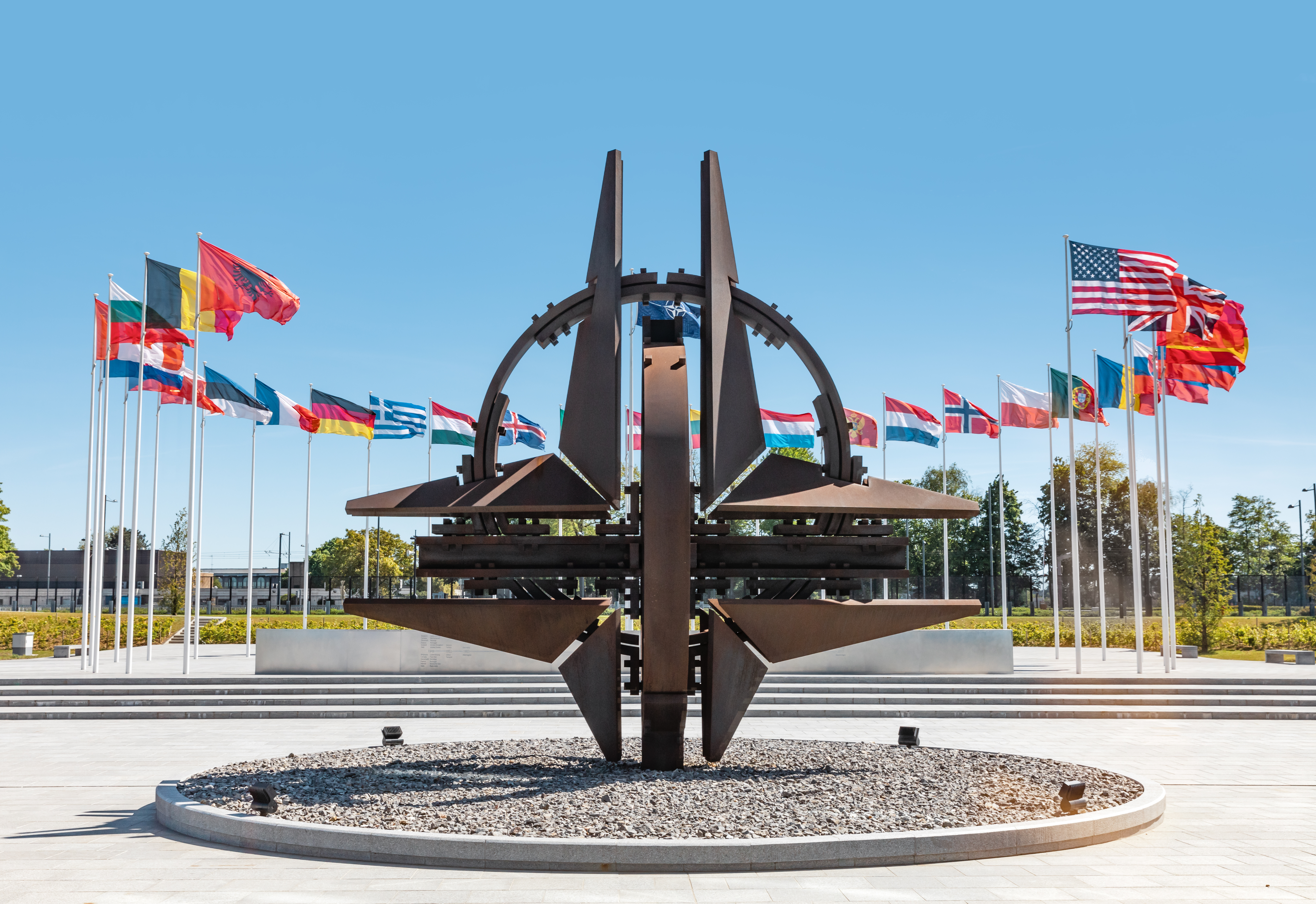
Image by Drop of Light / copyright Shutterstock
For its second year, DIANA will be asking innovators to submit proposals in five challenge areas.
- Energy & Power: Focusing on enhancing energy and power resilience in the context of generation, storage, distribution, recovery, harvesting and propulsion across various domains.
- Data & Information Security: Technology solutions that facilitate data production, utilisation, distribution, and protection in multi-domain environments, including space, characterised by a variety of disparate devices, communication systems, operational settings, and operational concepts.
- Sensing & Surveillance: Building on the success of the sensing and surveillance challenge in 2023, this challenge will expand to all domains (land, sea, air, space and cyber).
- Human Health & Performance: Inviting solutions which will improve the understanding and enhancement of human health and wellbeing, both physical and psychological, in various operational contexts including space.
- Critical Infrastructure & Logistics: Focusing on the secure and trustworthy operation of critical national and international infrastructure, and global supply chains across various domains.
Across these challenges, innovators are encouraged to consider the interconnection of applications and technologies across three different cross-cutting domains.

- Space: The environment of space represents a vast and largely unexplored frontier with immense potential for scientific discovery and technological innovation.
- Resilience: This theme emphasises the need for solutions and technologies that can withstand and quickly recover from disruptions or threats.
- Sustainability: DIANA seeks to emphasise the importance of developing and implementing environmentally friendly, energy-efficient technologies and practices that ensure long-term viability.
Innovators will receive funding to enable participation in the DIANA accelerator programme, which starts in January 2025, and they will embark upon a six-month intensive programme custom-designed for early-stage dual-use start-ups. They will have access to mentorship and testing facilities, as well as access to trusted investor and end-user networks to help them move from ideation to real-world adoption in defence and civilian markets.
John Ridge, Director, Defence Innovation said: "The UK strongly supports DIANA and its new challenge areas. These build on the successful first year of DIANA’s operation, and we look forward to seeing the results of these programmes in the hands of war fighters. Through these programmes and the partnership between the NATO Innovation Fund and DIANA we expect to see innovators scale to meet the challenges faced by all Allies."
In its pilot challenge call in 2023, DIANA received over 1,300 applications from innovators across the Alliance. Forty-four successful innovators from 19 countries were selected to form DIANA’s inaugural cohort, joining a six-month accelerator boot-camp programme in January 2024 at five accelerator sites in Europe and North America.
Find out more about the challenges and apply on the DIANA challenge portal.