

NPS to be established as part of police reforms


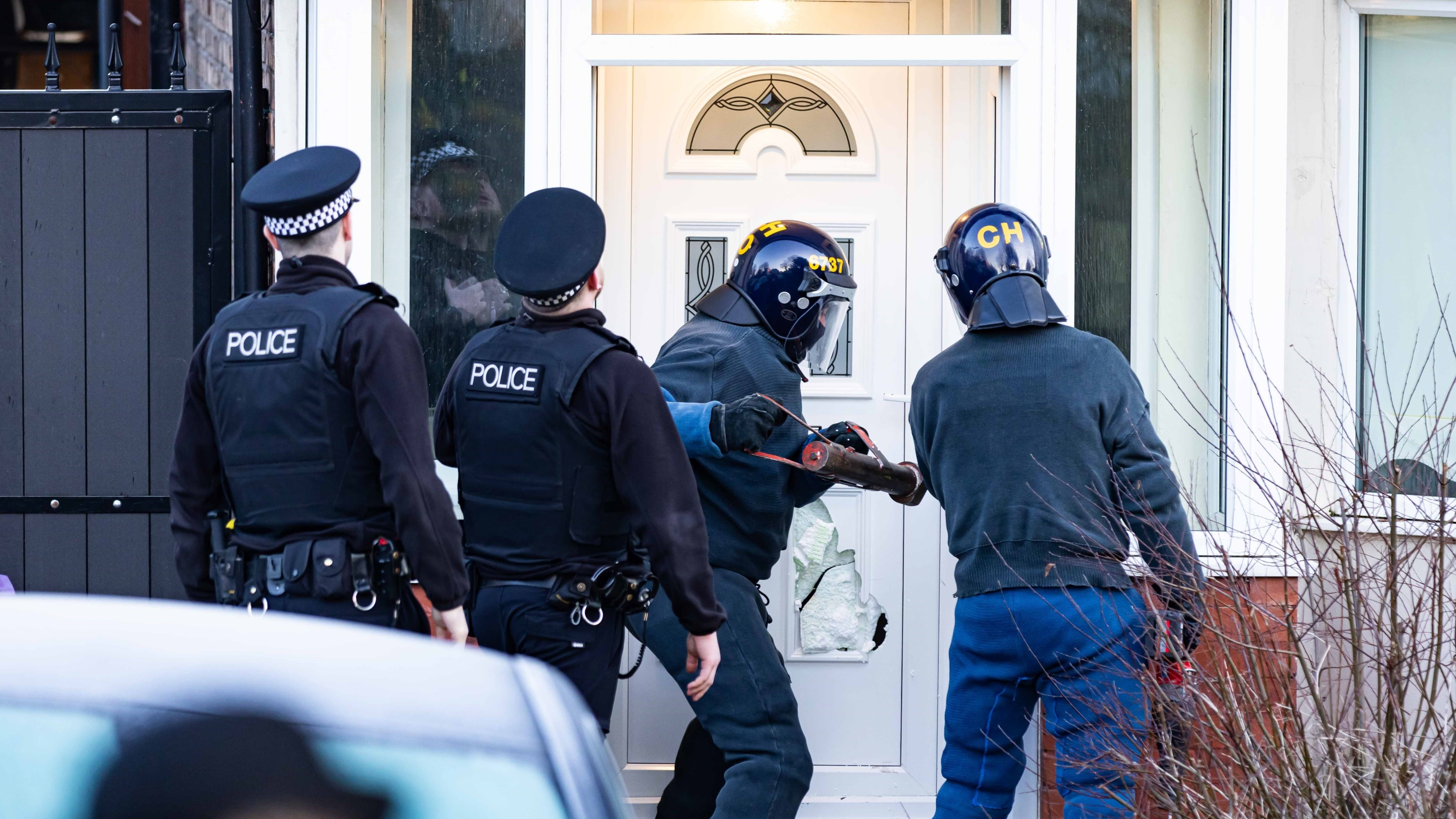
Image courtesy NPCC
The planned National Police Service (NPS) will take over the serious and organised crime investigations from the National Crime Agency (NCA), counter terrorism policing from the Metropolitan Police Service, the services provided by the National Police Air Service (NPAS) from West Yorkshire Police, financial crimes from the City of London Police and take responsibility for national roads policing.
This new national service will aim to bring together world-class talent and state of the art technology to fight national and international crime. The date for establishing the NPS has not yet been given and the wider police reforms could see police forces reduced from 43 across England and Wales.
The National Police Chiefs’ Council (NPCC), Counter Terrorism Policing and the Metropolitan Police, have issued a joint statement in response to the UK Government’s announcement: "Our organisations operate in an environment where crime is becoming increasingly complex, digitally enabled and dangerous. Terrorism, hostile state activity and organised criminal networks are now more interconnected than ever, demanding a policing model that is agile, capable and resilient.
"Modern crime requires a modern policing response. We support and have been calling for this ambitious step to bring together some of the most capable policing teams in the country into a single National Police Service.
"This builds on the high international regard that already exists amongst partners for Counter Terrorism Policing, whose capabilities and professionalism are recognised globally.
"This transformation, however, must be delivered with care. Its success depends on maintaining strong connections with local policing and the communities we serve.
"Neighbourhood officers remain indispensable in disrupting organised crime and countering terrorism. Their relationships, insights and presence on the ground are foundational to public safety.
"As we implement this reform programme, protecting those vital local links will be essential to ensuring the new National Police Service strengthens – not separates – the bond between policing and the public."
The Association of Police and Crime Commissioners (APCC) responded to the planned reforms and the police force mergers. APCC Vice Chair, Matthew Scott, Police and Crime Commissioner for Kent and Clare Moody, Police and Crime Commissioner for Avon and Somerset, said: “Experience shows that the creation of regional forces would be expensive, time consuming and complex to deliver and has the potential to delay, or even derail, the ambitious reform commitments made in the White Paper.
“The public want neighbourhood policing. There is no evidence to suggest the public would welcome regional forces and in terms of public accountability, it also risks creating a separation between police forces and the local communities they serve. It could make responding to local policing and crime needs more difficult and may remove the link between local taxpayers and the police they increasingly directly fund through the policing precept. Financial savings from creating much larger force areas could be outweighed by the very significant set-up costs.”
In response to the new powers for the Home Secretary to intervene in failing forces, they said: “While we welcome plans to improve performance across policing, involving His Majesty’s Inspectorate, the Home Office and local policing bodies, it is wrong to say that police forces are not accountable to politicians or the public. Police and Crime Commissioners (PCCs) and Deputy Mayors, through the Mayor, are elected by the public and serve as the voice of the public in policing, holding chief constables to account for the performance of their forces. Abolishing PCCs and replacing them with local authority run boards will weaken, not strengthen, local police accountability. In addition, the Home Secretary has powers in the Police Act 1996 to intervene.”
T/Assistant Chief Constable Lee Berry, National Police Air Service (NPAS), said: “As the UK Government sets out proposals to create a new National Police Service (NPS), we believe this presents significant benefits and opportunities for the National Police Air Service and the communities we support.
“NPAS already operates nationally which has demonstrated improvements in performance and efficiency, and being integrated into a unified structure will further strengthen how we deploy our specialist aviation capability across England and Wales.
“Bringing national functions together – such as serious and organised crime, counter‑terrorism and police aviation – will enhance coordination and ensure we can respond more effectively with all partners to cross‑border threats.
“The proposals also demonstrate a clear commitment to modernising national capabilities, enabling NPAS to evolve technologically, increase resilience and ensure our crews have the specialist support required for today’s policing challenges.
“Most importantly, a nationally aligned air service means every force benefits equally, ensuring rapid aerial support is available wherever it is needed and helping deliver better outcomes for the public.
“As these reforms progress, we will work closely with partners across policing to support a smooth and successful transition into the new organisation. NPAS is committed to playing an active role in shaping this change, ensuring continuity of service and strengthening the national capabilities that enable policing every day.
“NPAS remains committed to supporting frontline policing and protecting communities. The creation of the NPS is a welcome opportunity to further strengthen our national role and enhance the service we provide.”
Sign up for our newsletter and get our latest content in your inbox.
Similar Reads


Sign up for our newsletter. Select all sectors relevant to you.
Related