Advancing UK Aerospace, Defence, Security & Space Solutions Worldwide
  • Home
  • /
  • Space
  • /
  • Raytheon UK announces agreement to acquire Northern Space and Security Ltd

Space

Raytheon UK announces agreement to acquire Northern Space and Security Ltd

Raytheon UK has entered into an agreement to acquire Northern Space and Security Ltd., or NORSS, a UK-based specialist in space domain awareness, orbital analysis, space surveillance and tracking.

 
Image courtesy Raytheon UK

NORSS, headquartered in the northeast of England, delivers orbital analyst technical services to the UK Space Agency, providing critical capabilities to both government and UK satellite operators. Additionally, NORSS is contracted with the Ministry of Defence to develop a new simulator system for developing and testing future British military satellite systems and constellations. The company is dedicated to developing the essential skills and experience needed for orbital analysts to ensure the long-term sustainability of the benefits from space.

Advertisement
ODU RT

“Bringing together the complementary capabilities of these two leading space companies will enhance the quality of the UK’s orbital analysis and space situational awareness technologies,” said Jeff Lewis, chief executive of Raytheon UK. “It also answers a call made by the UK government for companies to invest in cutting-edge space technologies.”

Space is becoming increasingly congested and contested, and there are plans for tens of thousands of new satellites to be launched in the next five years. The space domain awareness capabilities that NORSS provides are a priority for countries seeking to be a leader in space-based technologies. The agreement with NORSS is an important step on Raytheon UK’s path toward building a global space capability for governments.

“The acquisition, upon completion, will facilitate expansion by NORSS through access into new markets,” said Ralph “Dinz” Dinsley, the executive director of NORSS. “As part of Raytheon Intelligence & Space, we will have expanded access to international markets, continued investments in research and development, and opportunities to collaborate on the next generation of space technologies.




Advertisement
ODU RT


Advertisement
FIA2026 animated banner
SOLAR-1 becomes operational

Space

SOLAR-1 becomes operational

16 June 2026

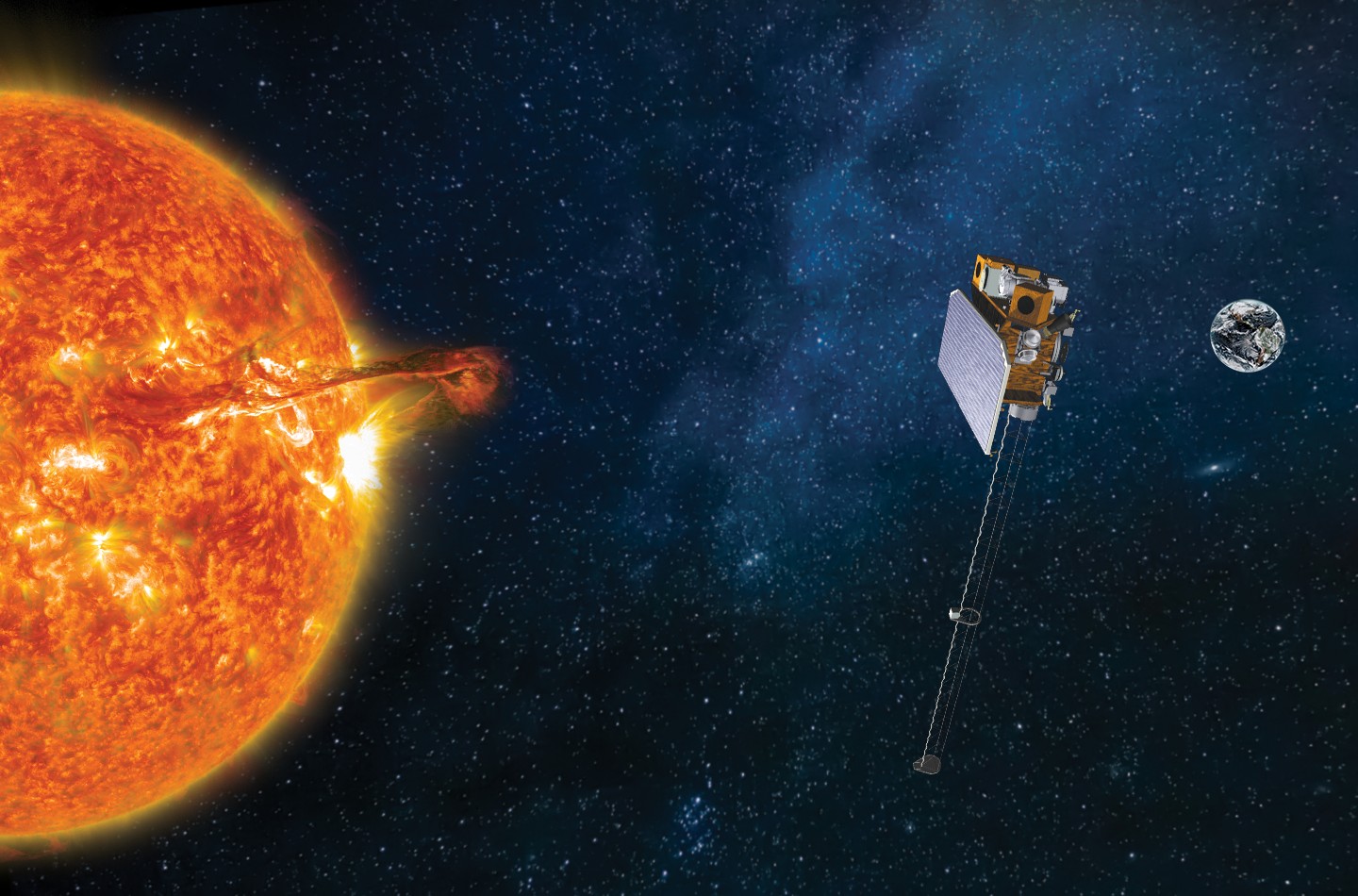
Global space weather forecasting is getting a step-change in capability as the National Oceanic and Atmospheric Administration’s (NOAA) SOLAR-1 satellite becomes operational.

Optera funding fuels UK hub for space domain awareness

Defence Security Space

Optera funding fuels UK hub for space domain awareness

15 June 2026

Optera, a neuromorphic sensing company delivering next-generation space domain awareness (SDA), has raised £3 million to establish and scale its UK headquarters and engineering team.

ESA officially adopts ARRAKIHS as F2 Mission

Space

ESA officially adopts ARRAKIHS as F2 Mission

12 June 2026

The European Space Agency (ESA) has officially adopted ARRAKIHS as its second FAST-class (F2) scientific mission, with the University of Surrey leading the UK’s role in the project to uncover the hidden history of galaxies ahead of a confirmed target launch date of 2030.

UK funding boosts breakthrough space tech

Space

UK funding boosts breakthrough space tech

11 June 2026

At London Tech Week, UK Space Minister Liz Lloyd unveiled more than £19 million to support British companies developing next-generation space technologies.

Advertisement
ODU RT
Tekever and Sapient Perception to explore airborne ISR sensing integration

Aerospace Security Space

Tekever and Sapient Perception to explore airborne ISR sensing integration

9 June 2026

Tekever and Sapient Perception have signed a Memorandum of Understanding to explore the integration and evaluation of Sapient Perception’s 10K camera system on Tekever uncrewed aerial systems.

NewOrbit to open Earth’s last empty orbit

Space

NewOrbit to open Earth’s last empty orbit

8 June 2026

Between commercial aircraft at 10 km and conventional satellites at 500 km lies a band of near-Earth space, called very low earth orbit (or VLEO), which until now, has not been accessible for commercial space flight.

Advertisement
ODU RT
Advertisement
FIA2026 animated banner