Royal Navy to defend neutral Ireland from beyond the 12-mile limit


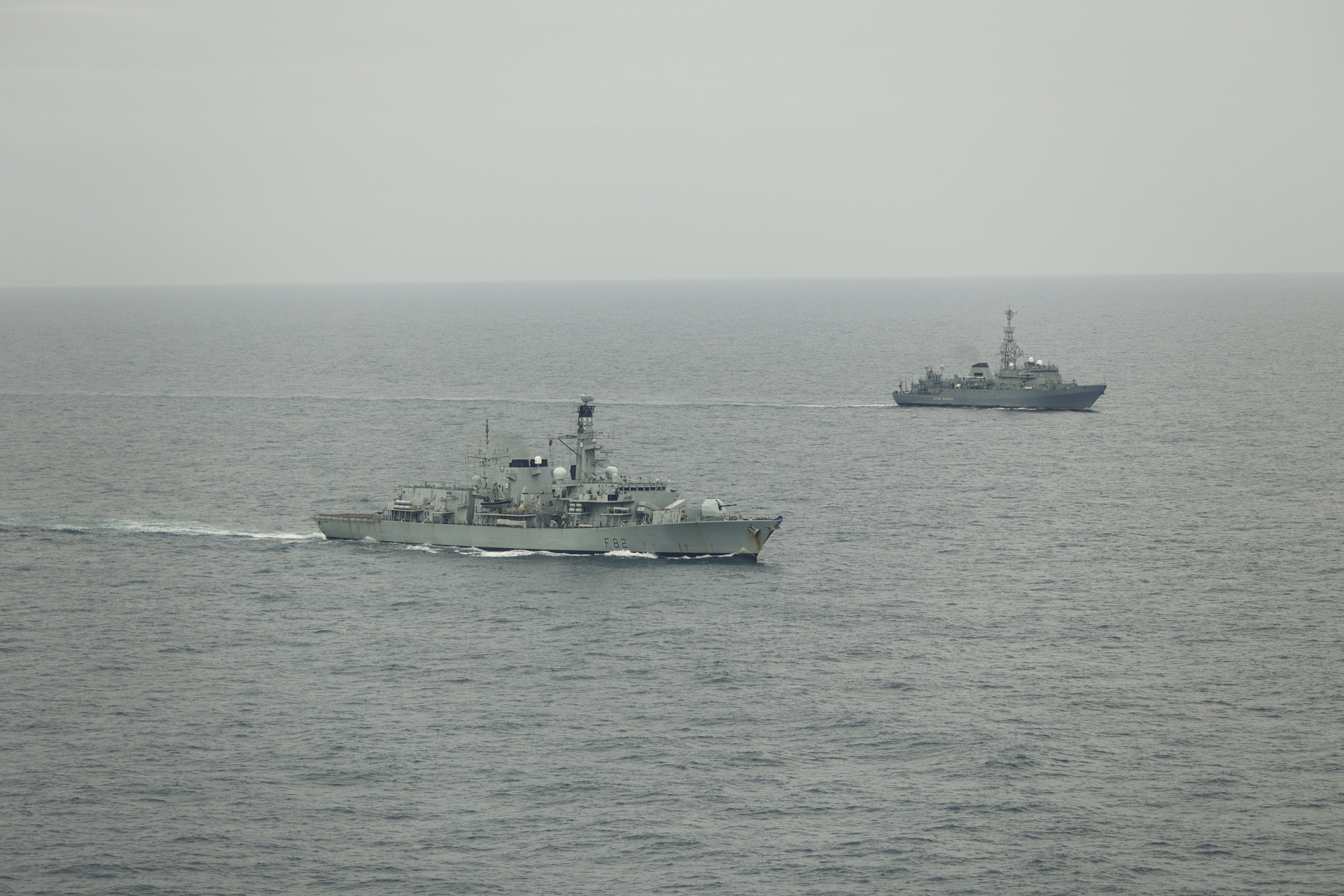
As Ireland doesn’t have the military capabilities to protect itself, French and British warships are providing Ireland with air defence as it holds the rotating EU presidency.
But according to an article in The Irish Times by Conor Gallagher, Ireland is requiring assisting warships to remain 22 kilometres (12 miles) out to sea due to its neutral status.
The Irish Times writes, “Although the assistance of the French and British navies was formally requested by Ireland to provide security during the six-month presidency, officers were told their ships cannot enter Irish territorial waters while engaged in these operations.”
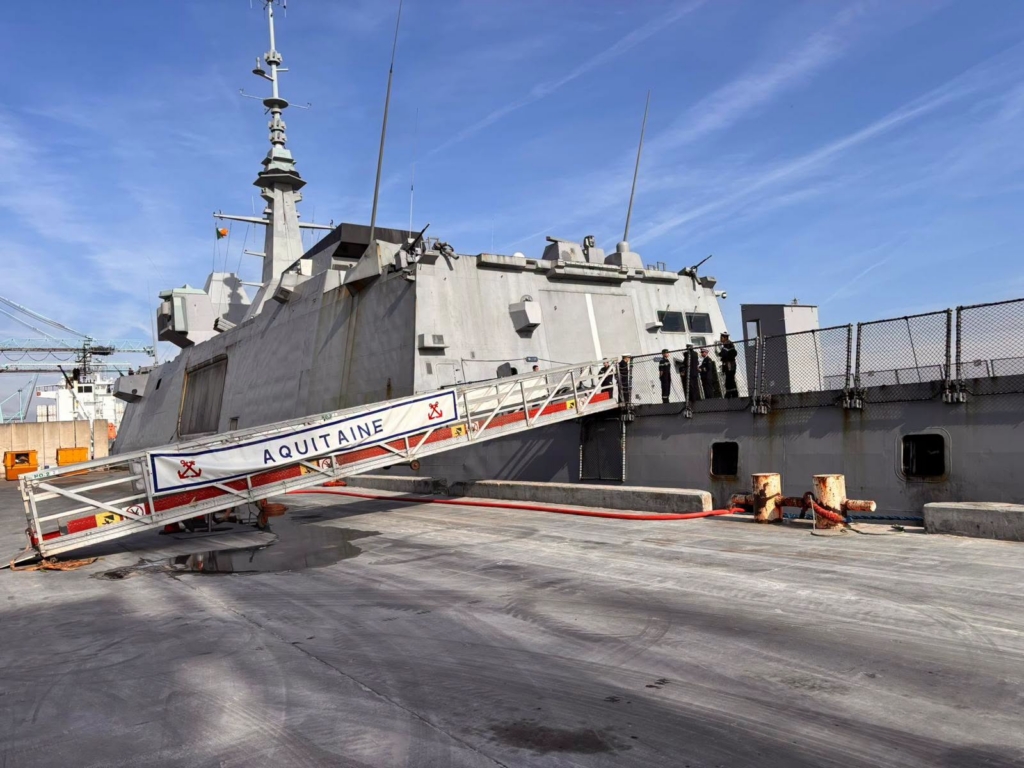
The arrangement is due to legal advice received by the Irish government that it would likely be unconstitutional (specifically Article 15 of the Constitution) for foreign military forces to be deployed in Ireland’s territorial waters while on active operations.
The Irish Constitution stipulates that only the national Oireachtas parliament has the right to raise a military force on Irish territory.
Anglo-French ships need Irish officer authorisation to engage threats
But this is not the end of the legal headaches for the deployment. There are questions in Ireland over whether a foreign vessel sitting outside of Ireland’s territorial waters is legally able to take lethal action over airborne threats once they are over Irish soil.
Ireland’s Defence Forces rules of engagement (called COD 6) say that only Irish military officers are permitted to authorise the use of force over Ireland’s territory. This could affect the Anglo-French warships in scenarios such as intercepting drones or a hijacked airliner over Irish airspace.
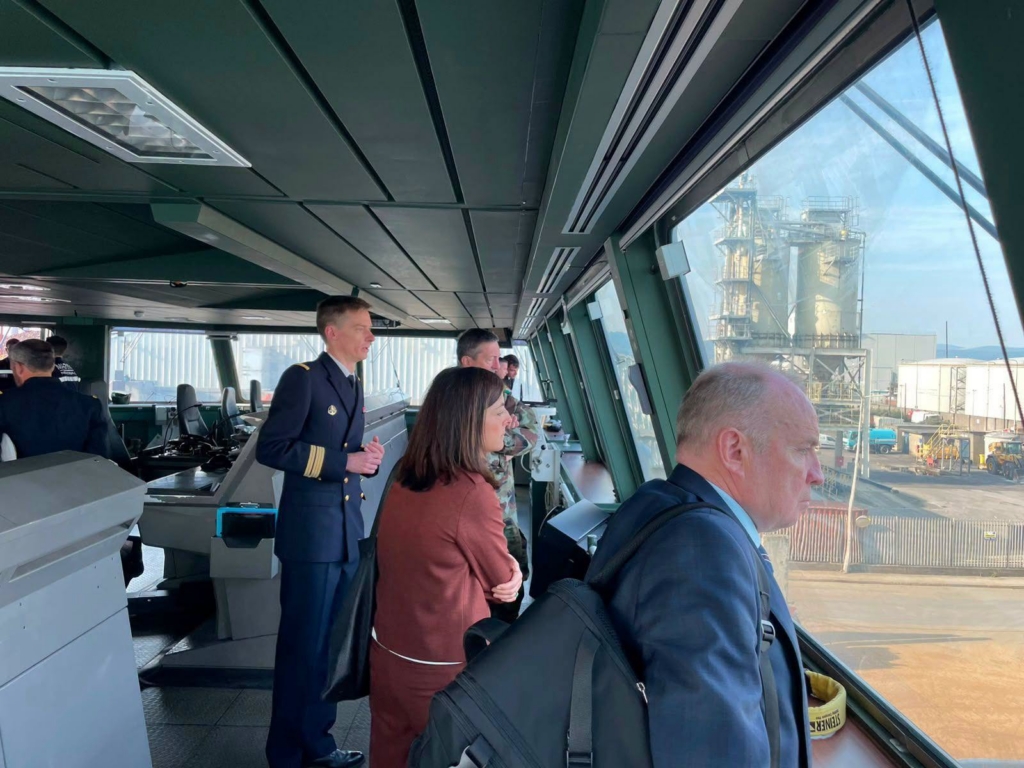
As a workaround, an Irish naval officer has been posted on the bridge of the French ships to serve as a liaison officer to authorise such strikes (e.g., long-range anti-aircraft missiles) if required.
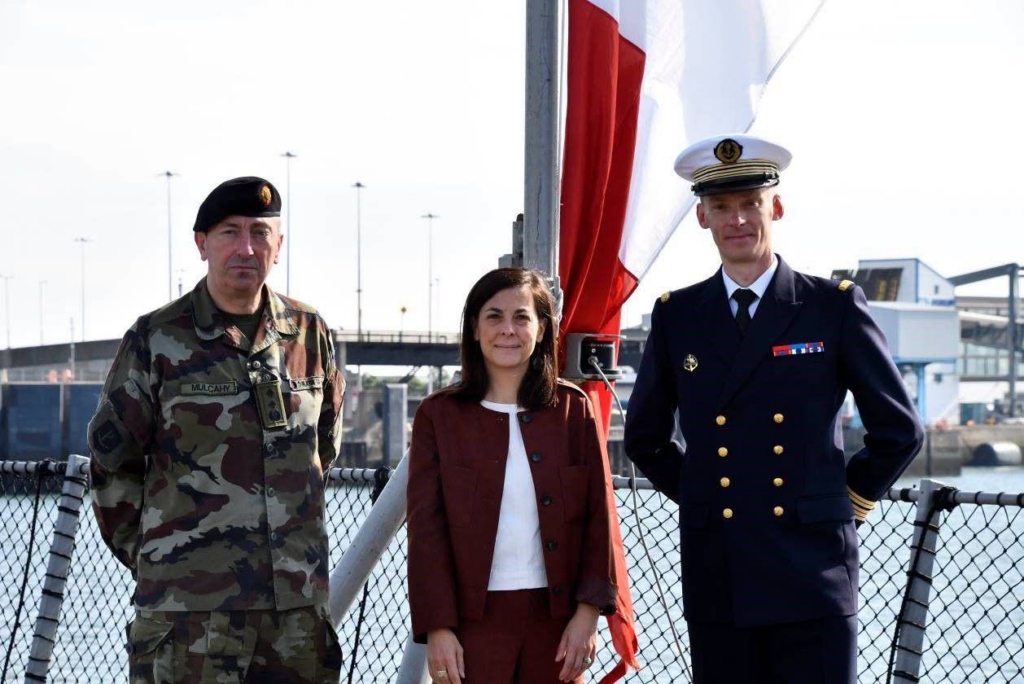
The first instance of this took place on the 1st of July when the French Aquitaine frigate defended Ireland in Dublin Bay with an Irish officer on the bridge.
A Royal Navy warship is expected to be deployed to the Irish Sea next week when EU defence and foreign affairs ministers gather in Co Wicklow.
Complications co-ordinating with Irish defence elements
The Irish Times reported on another layer of complications. Ireland is not a member of NATO. It is also not de facto integrated into it in the same way Finland and Sweden were by 2022.
It notes that Ireland doesn’t use NATO-level radio communications, and this has forced the French to use Irish radios borrowed from the Irish Naval Service.
Ireland also uses the Sitaware system to co-ordinate air and assets, while the French use more advanced NATO Link 16 and Link 22. This has led to difficulties in co-ordinating the location of Irish military assets when French ships have been deployed.
While things have mostly run smoothly, the publication reported that there was one incident “on July 1st when three Irish Air Corps PC-9 aircraft left their area of operations and flew over the Irish Sea to get a clearer communications signal.”
The unexpected appearance of the PC-9s near the French frigate briefly caused some alarm on the bridge. This was soon resolved after the Irish aircraft were ordered to return to their regular patrol pattern.
Sign up for our newsletter and get our latest content in your inbox.
Similar Reads





Sign up for our newsletter. Select all sectors relevant to you.
Related