

Royal Navy steps towards uncrewed undersea warfare with landmark Excalibur torpedo trial


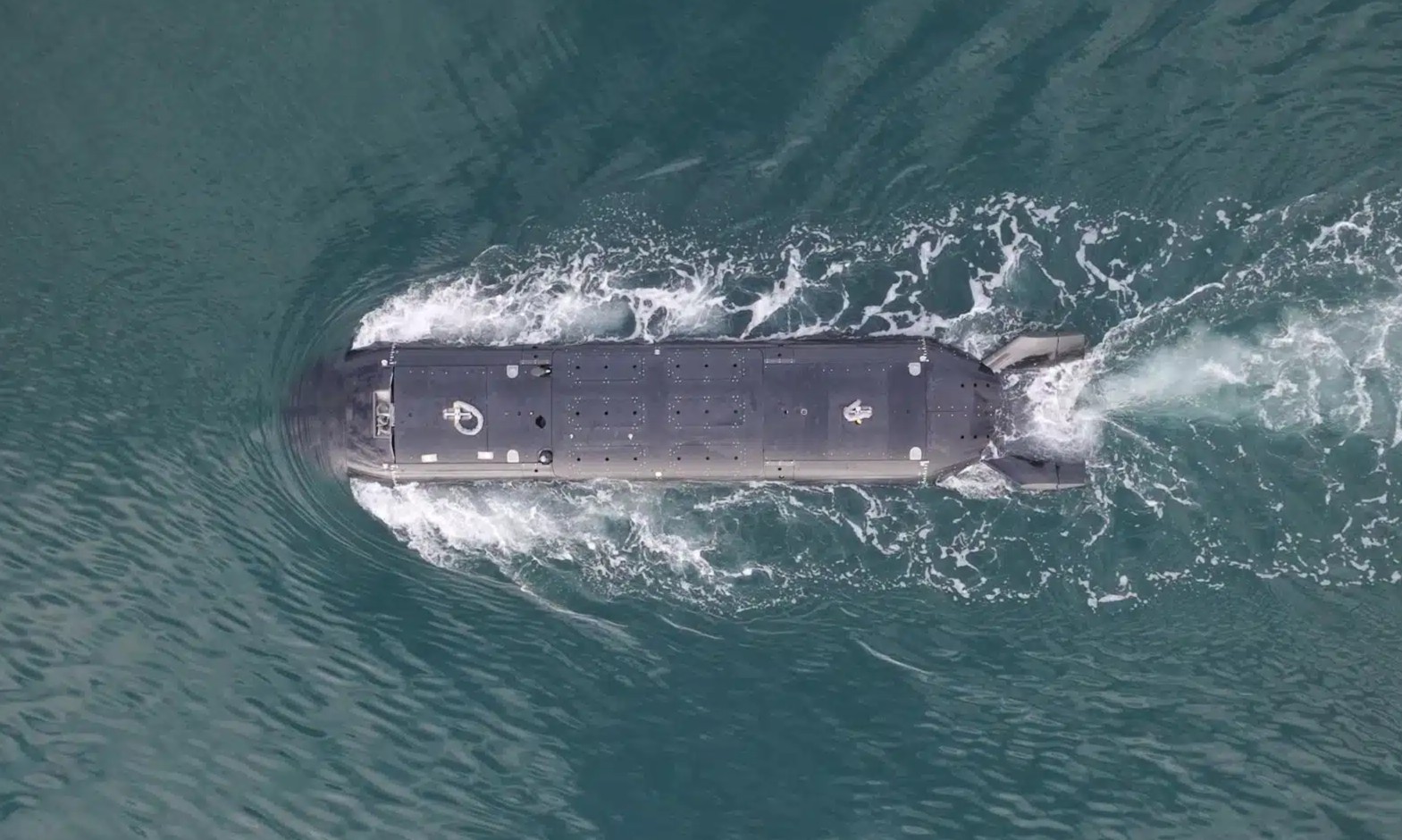
The UK has successfully fired a heavyweight torpedo from an uncrewed underwater vessel (UUV) for the first time, marking a major step forward in the continued development of the Royal Navy’s autonomous undersea warfare capabilities amid growing tensions with Russia.
This live-firing took place at the British Underwater Test & Evaluation Centre (BUTEC) in Scotland on 13 September as part of the AUKUS programme, with the 12m-long, Plymouth-built Extra-Large Uncrewed Underwater Vehicle (XLUUV) – known as XV Excalibur – launching a US-Australian-developed heavyweight torpedo.
The UK Ministry of Defence (MOD) said the trial was the first time either the UK or US had launched a torpedo from a UUV of any size. “This [milestone] marks a major advance in the future of submarine technology for the UK, US and Australia, and delivers a significant breakthrough for Euro-Atlantic security and NATO’s undersea advantage,” the UK defence ministry added.
📰 U.S. NAVY UPDATE: U.S. Navy and Royal Navy Successfully Test Fire Torpedo from Unmanned Undersea Vehicle
— Office of the Chief of Naval Operations (@USNavyCNO) September 22, 2026
📍WASHINGTON – On September 13, 2026, the U.S. Navy and the Royal Navy successfully conducted the proof-of-concept launch of an exercise U.S. Mk 48 Heavyweight Torpedo… pic.twitter.com/lVB4wYSwC0
The test marries together autonomous technology and an established naval weapon system, demonstrating that an XLUUV can both integrate and deploy a heavyweight kinetic payload.
Excalibur is classified as an XLUUV. Developed under Project Cetus with the Plymouth-based MSubs Ltd, the 19-tonne uncrewed vessel was handed over to the Royal Navy in May 2025. The experimental platform was designed to provide a testbed for autonomy, unique military payloads and future manned-unmanned teaming (MUM-T) operations.
Developing a new combat edge for autonomous submarines
While the Royal Navy’s crewed submarine fleet already operates the BAE Systems-developed Spearfish heavyweight dual-purpose torpedo to engage surface vessels and deep-diving submarines, this recent trial was carried out using a weapon that was developed jointly by Australia and the US.
Although the specific torpedo used in this demonstration was not disclosed by the MOD, the US Navy subsequently confirmed the Mk 48 Mod 7 Common Broadband Advanced Sonar System (CBASS) – which achieved Initial Operational Capability (IOC) in 2006 – was used.
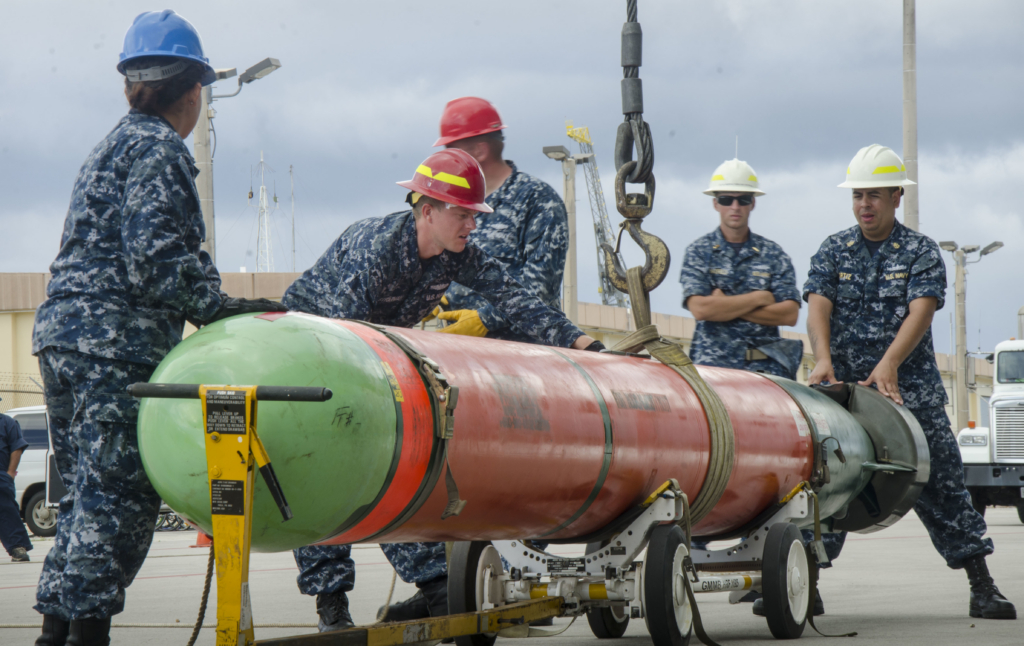
This specific model of the wider Mk 48 torpedo family is the product of a bilateral development effort between the US and Australia, with the heavyweight torpedo being designed to engage submarines and surface ships by leveraging its increased sonar bandwidth and ability to search, acquire and attack targets effectively by taking advantage of improved broadband signal processing techniques.
Despite not having any dedicated torpedo tubes, Excalibur has a large central payload bay. However, at 5.8m in length, the Mk 48 Mod 7 torpedo is too long to fit within Excalibur’s payload bay, with the weapon instead being released from an external cradle that was temporarily fitted to the bottom of the innovative XLUUV’s hull.
Building toward the UK’s future ‘Hybrid Navy’ concept
For the Royal Navy and its AUKUS allies, this recent trial demonstrated a different approach to delivering undersea effects at a time of heightened tensions with Russia – especially on the maritime frontier.
The latest trial also comes as the Royal Navy accelerates its move towards a ‘Hybrid Navy’ that combines crewed platforms with autonomous systems, like Excalibur.
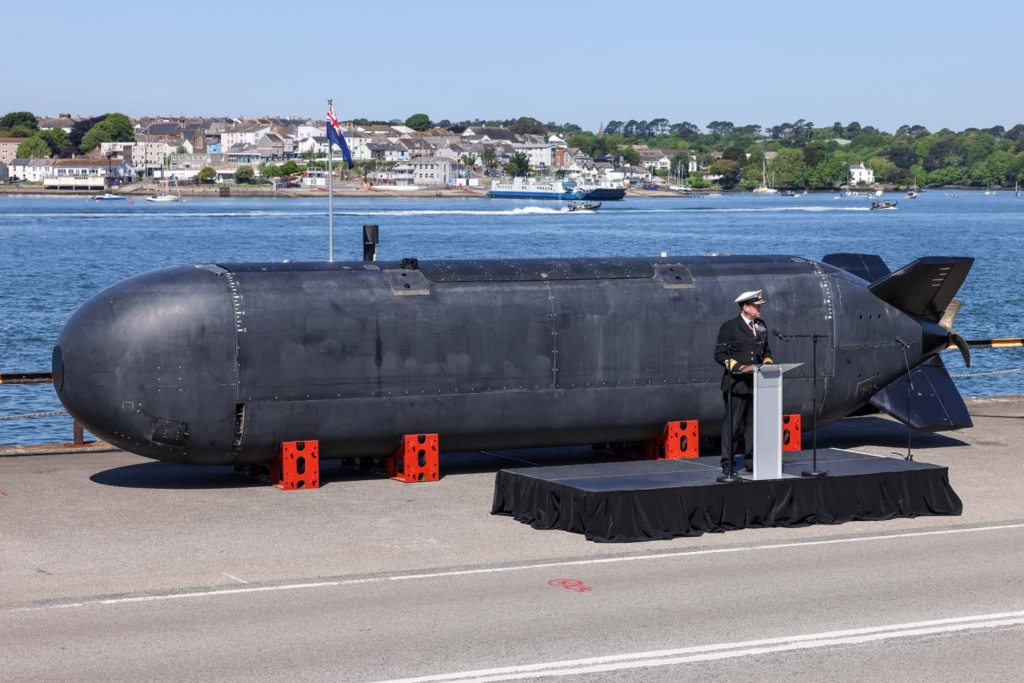
The UK government has committed more than £5bn to accelerate uncrewed and autonomous capabilities across the UK Armed Forces, including the development of XLUUVs that are intended to operate alongside the Navy’s crewed, Astute-class hunter-killer submarines.
This ongoing development also sits within the framework of broader AUKUS cooperation between Australia, the UK and the US on advanced defence technologies.
For industry, the trial highlights the growing importance of integrating autonomous platforms, sensors, communications and weapons rather than developing them as separate capabilities. It also demonstrates how experimental uncrewed systems are moving from surveillance and experimentation towards increasingly complex operational combat roles.
How the UUV is evolving from a surveillance system to an effective combat platform
This latest live-fire trial marks a shift in the role previously envisaged for UUVs. Until now, much of the focus has been on surveillance, reconnaissance, seabed monitoring and infrastructure protection. AUKUS plans are now extending into strike capabilities, with new autonomous platforms being developed to carry military payloads.
The move could allow uncrewed submarines to undertake missions that would otherwise require a crewed vessel. Without personnel onboard, platforms such as Excalibur could potentially operate in higher-risk environments while still working alongside conventional submarines and surface vessels.
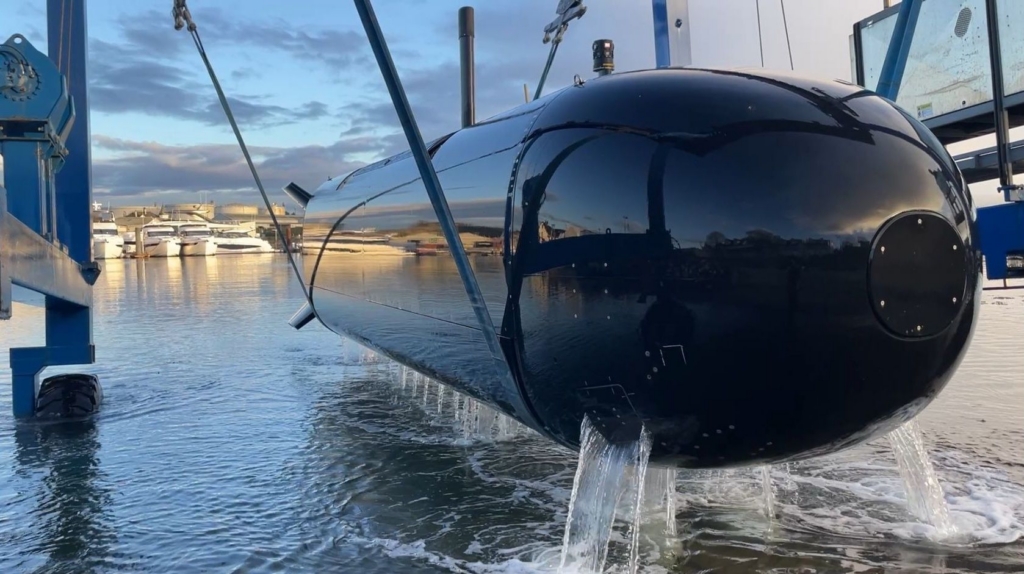
The significance of this trial therefore goes beyond the successful launch of a heavyweight torpedo. It demonstrates the integration of an autonomous UUV with a weapon capable of delivering significant combat effect.
For the Royal Navy, Excalibur remains an experimental platform rather than an operational combat submarine. However, this trial demonstrates a new development direction: uncrewed submarines are moving beyond their traditional surveillance role and towards becoming another component of a future ‘hybrid’ fleet, operating alongside crewed vessels and potentially taking on complex combat missions.
Sign up for our newsletter and get our latest content in your inbox.
Similar Reads