

Ryanair cuts winter flights as rising fuel costs squeeze growth


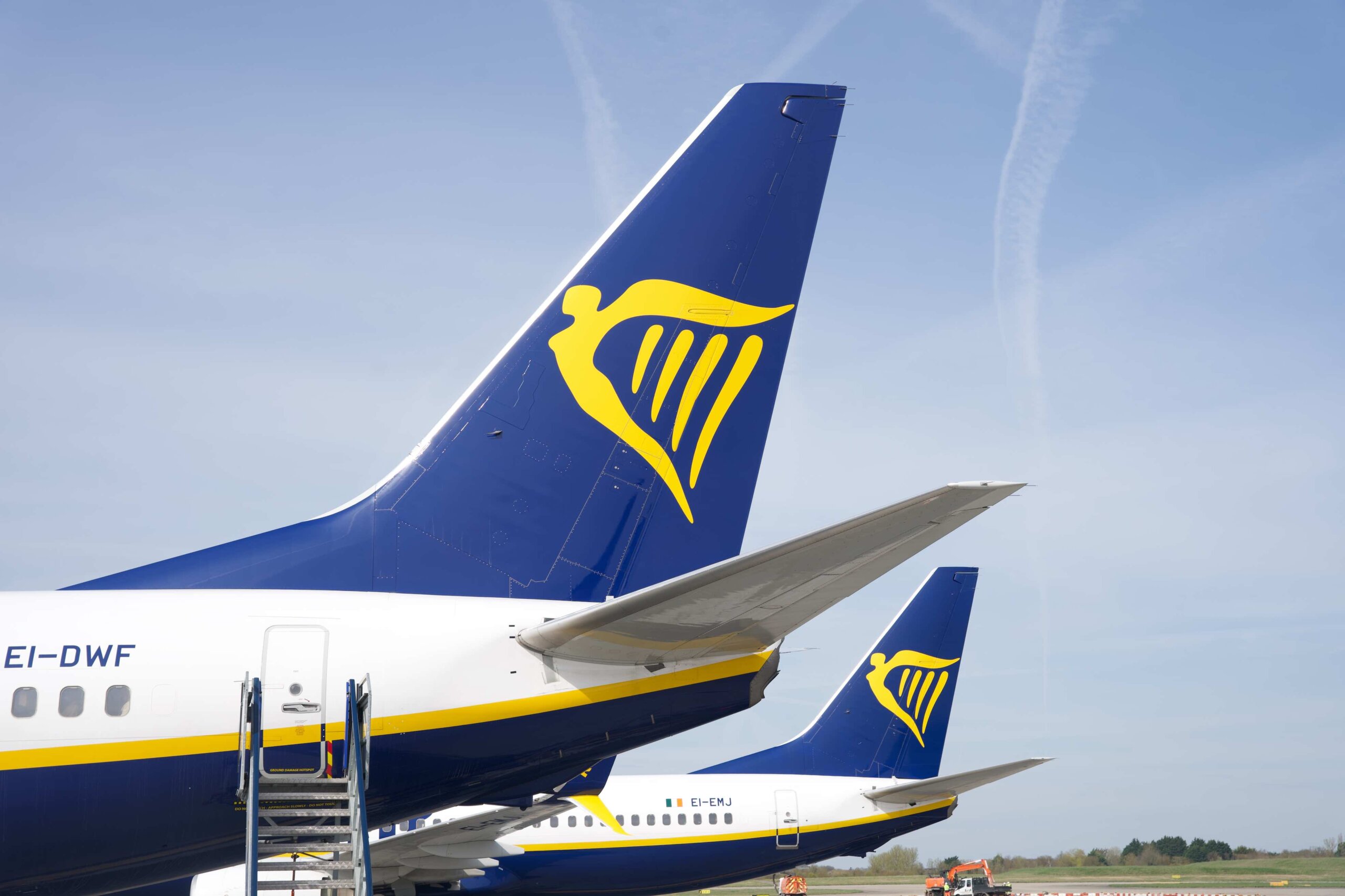
Ryanair is cutting its winter flying programme and lowering its annual passenger target as higher fuel prices make some services too expensive to operate.
Europe’s largest airline now expects to carry 214 million passengers in the financial year ending March 2027, two million fewer than its previous target of 216 million.
Ryanair confirmed the change alongside its August traffic figures on September 2, saying it was deliberately reducing winter capacity to limit its exposure to expensive unhedged fuel.
The airline has hedged about 80% of its fuel requirements for the current financial year at an average price of $67 per barrel. However, the remaining 20% is exposed to market prices. Ryanair said jet fuel is currently trading at around $140 per barrel.
“It is sensible to strategically reduce the group’s exposure to unhedged jet fuel during the unprofitable winter schedule (from Nov to Mar),” Ryanair said in its September 2 traffic announcement.
The airline expects the capacity reductions to cut its winter losses by between €70 million and €100 million. The eventual saving will depend on fares and passenger demand.
Ryanair reverses plans for winter growth
The airline had previously expected traffic during the second half of its financial year to increase by approximately 2%. It now expects passenger numbers between October and March to remain broadly flat compared with the previous year.
Ryanair has not yet announced a network-wide list of routes or individual flights that will be removed.
The cuts come less than two months after the airline unveiled what it described as its biggest winter schedule yet.
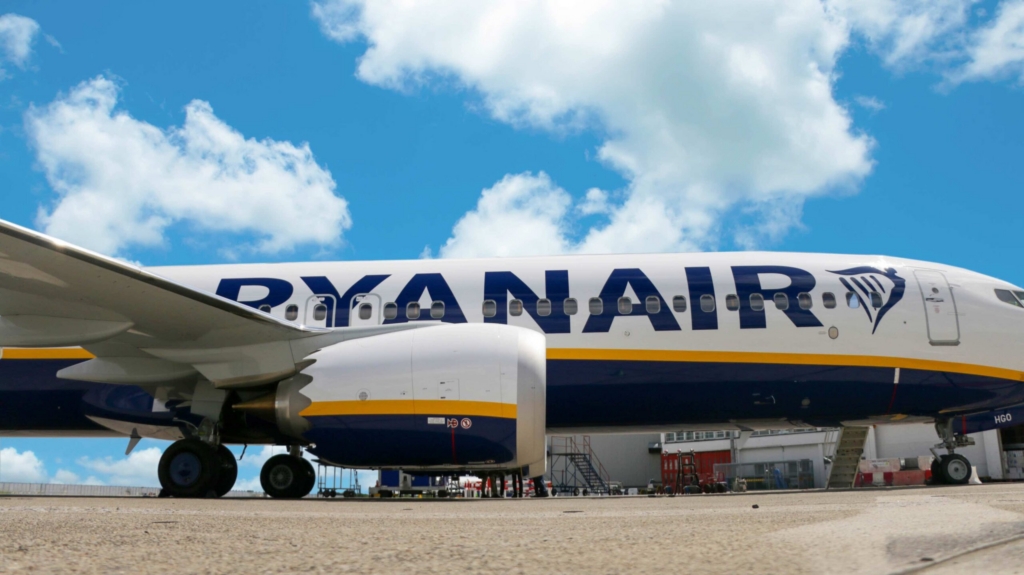
On July 16, Ryanair announced a record Winter 2026 programme offering 80 million seats across 1,700 routes in 35 countries. The programme included more than 140 new routes.
Ryanair has also announced significant winter expansion in individual markets, including its largest-ever winter schedule in Morocco.
The latest adjustment appears to be a targeted reduction in overall capacity, rather than a full retreat from the winter programme.
Middle East conflict pushes up Ryanair fuel bill
Ryanair has been warning about the impact of higher fuel prices for several months.
The airline’s hedging programme has protected most of its fuel requirements from the recent increase, but the portion that remains unhedged has become significantly more expensive following the escalation of conflict in the Middle East.
When Ryanair reported its first-quarter results on July 20, it said profit after tax had fallen 34% to €538 million, from €820 million a year earlier.
The airline attributed the decline partly to lower fares but also to the sharp increase in the price of its unhedged fuel.
Ryanair said the cost of the approximately 20% of fuel that was not hedged had more than doubled, with unhedged jet fuel averaging around $150 per barrel during the quarter.
The company remains better protected against immediate fuel-price movements than it would be without its hedging programme. Around 80% of FY27 requirements were secured at approximately $67 per barrel.
Ryanair has argued that this position gives it an advantage over rivals with less fuel hedged at lower prices.
Fuel costs could push European air fares higher
The impact of higher oil prices may extend beyond Ryanair’s winter schedule.
The airline warned that if elevated prices continue into summer 2027, European short-haul fares could rise as carriers pass higher operating costs on to passengers or reduce capacity.
Ryanair also believes weaker airlines with less favourable fuel hedges could face considerably greater pressure over the winter.
The airline has previously warned that “unprofitable airlines” facing higher jet-fuel prices and a strong US dollar could face a difficult winter.
Ryanair still carrying record passenger numbers
The winter cuts come despite continued strong traffic during the peak summer season.
Ryanair carried 22.2 million passengers in August, up 6% from 21 million during the same month last year. Its load factor remained at 96%.
The airline operated more than 119,000 flights during the month.
Over the 12 months to the end of August, Ryanair carried 212.5 million passengers, an 8% increase from 197.2 million during the previous 12-month period.
The reduction in its full-year target does not reflect a fall in passenger demand. Instead, Ryanair is strategically cutting two million passengers from its original target to avoid some of the least profitable winter flying while retaining the benefit of its existing fuel hedges.
Sign up for our newsletter and get our latest content in your inbox.
Similar Reads




Sign up for our newsletter. Select all sectors relevant to you.
Related