Former CIA chief David Petraeus calls for UK-led NATO transformation after Ukraine lessons


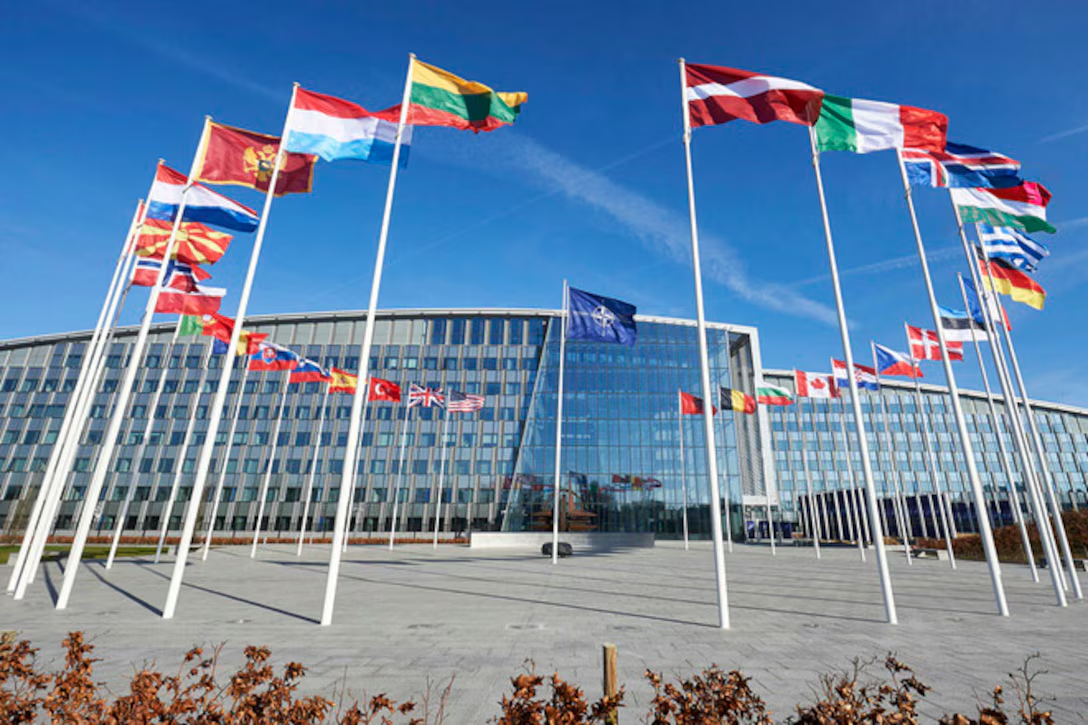
The United Kingdom should become the first major Western power to reshape its defence institutions around the lessons emerging from Ukraine and use that transformation to help NATO prepare for a new form of warfare, former CIA director and US Army General David Petraeus has said.
Gen Petraeus, who commanded coalition forces in Iraq and Afghanistan during a 37-year military career, made the case during the Lord Speaker’s Lecture at the House of Lords on 1 September.
His argument went beyond buying more drones or investing in artificial intelligence. Ukraine, he said, is showing that the way militaries organise, acquire technology, train and fight is itself changing.
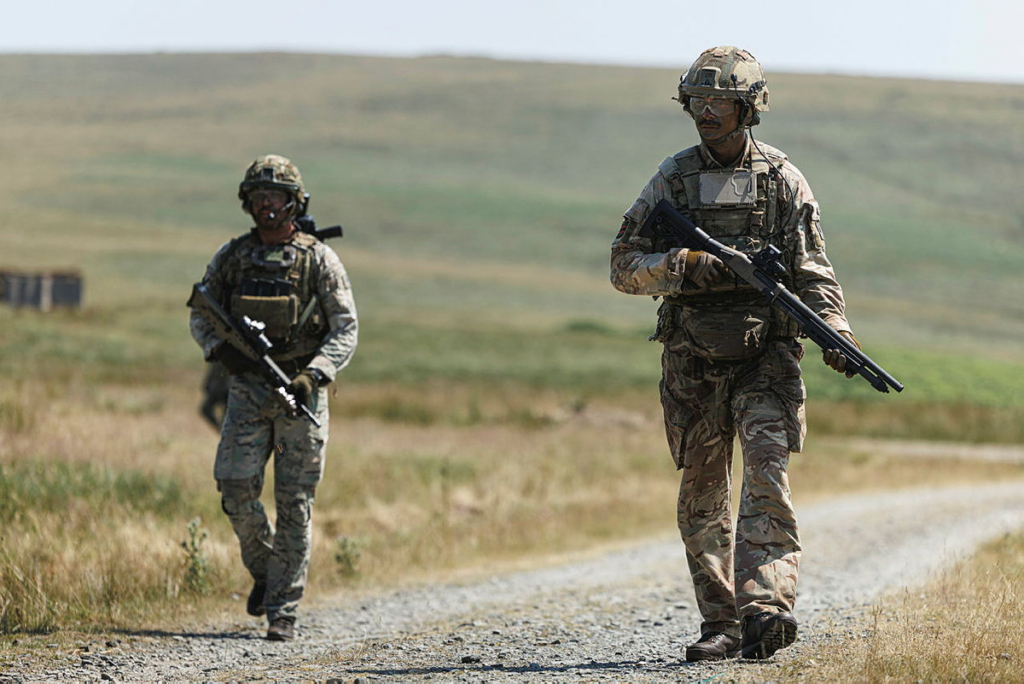
“That now presents Britain with another opportunity: to become the first major Western nation to organise its defence institutions around the new concept of warfare that Ukraine has been pioneering – and, in doing so, to help lead the transformation of NATO itself,” Gen Petraeus said.
The intervention comes as Britain attempts to turn its Strategic Defence Review into programmes and investment, while European NATO members confront the military lessons of more than four years of war in Ukraine.
Ukraine has become a laboratory for a different kind of warfare
Gen Petraeus described Ukraine as “the defining military laboratory of the twenty-first century”.
The lesson, in his assessment, is not any single weapon. Ukraine has brought together drones, electronic warfare, precision weapons, battlefield software and sensors while adapting them at a pace that conventional military procurement systems have struggled to match.
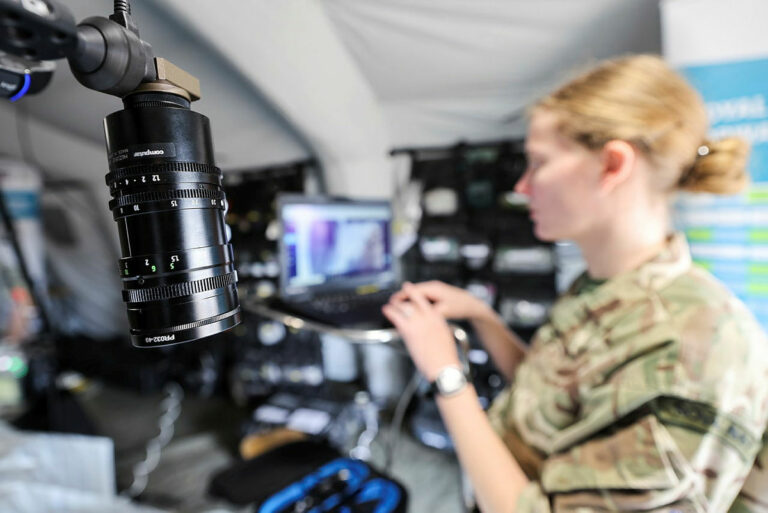
“Much of the discussion has understandably focused on individual technologies – unmanned systems, artificial intelligence, electronic warfare, cyber capabilities, precision strike, battle management systems, and others. Each matters. But the principal lesson is larger: the very concept of warfare is changing,” he said.
That change is also being driven by the speed at which battlefield information can be collected and turned into action. Commercial technology is moving rapidly into military use, while software, hardware and tactics are being modified during combat rather than waiting for lengthy acquisition cycles.
The UK, Gen Petraeus argued, is well placed to respond because it recognised the strategic implications of Russia’s actions relatively early and has remained a major supporter of Ukraine.
“Britain now has an opportunity to demonstrate that same quality once again. Just as it helped lead the Alliance in recognising the strategic implications of Russia’s aggression, it can now help lead the Alliance in recognizing the revolutionary implications that Ukraine holds for the future of warfare itself.”
Britain’s defence reforms are a starting point rather than the finished answer
He also pointed to the UK’s Strategic Defence Review and Defence Investment Plan as evidence that Britain has begun responding to these changes. Their emphasis on autonomous systems, AI, electronic warfare, industrial resilience and procurement reform broadly reflects what is being learnt from Ukraine.
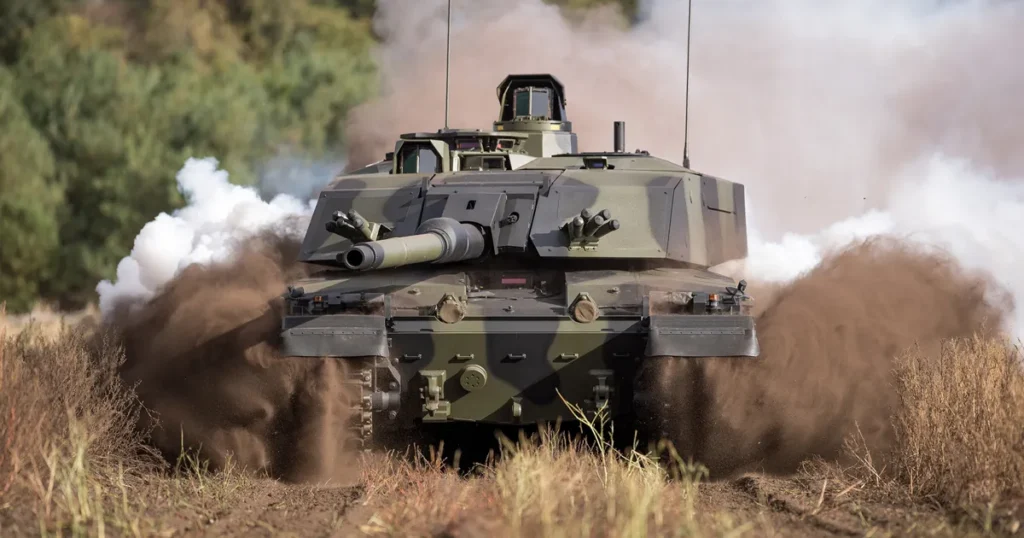
But he cautioned against treating new equipment or additional spending as sufficient.
“The most consequential military transformations seldom begin with new equipment. They begin with new ideas,” Petraeus said.
That distinction matters for the UK. The government is pursuing a more technology-heavy force while simultaneously confronting pressures over personnel, stockpiles, industrial capacity and the speed at which new capabilities can reach frontline units.
Gen Petraeus’s prescription would reach further. He called for changes to force structures, military education and training, procurement, personnel policies and relationships with industry, as well as faster ways of identifying battlefield lessons and incorporating them into forces.
NATO will have to change with its member states
Gen Petraeus argued that national reforms would have limited effect unless NATO adapts as well. The alliance needs a common understanding of the emerging model of warfare, he said, including changes to the headquarters responsible for commanding NATO forces.
His remarks also come against a worsening security backdrop for the UK. LBC reported that Russia has threatened British military and industrial targets over the UK’s support for Ukraine, while former British Army intelligence officer Colonel Philip Ingram told the broadcaster that Moscow was already using sabotage, cyber attacks and other activity below the threshold of conventional war.
“Putin has been attacking us on a daily basis. What they’re threatening is nothing new,” Ingram told LBC.
For Gen Petraeus, however, the challenge extends beyond responding to Russia. The changes visible in Ukraine are already appearing elsewhere, leaving Western militaries with a choice over how quickly they adapt.
“The question is not whether this transformation will occur. It is already underway – most visibly in Ukraine, but also in Russia, the Middle East, and elsewhere. The question is whether we will lead it – or be forced to catch up to those who do,” he said.
Sign up for our newsletter and get our latest content in your inbox.
Similar Reads





Sign up for our newsletter. Select all sectors relevant to you.
Related