Defence committee warns of “glaring gaps” in High North defences against Russia


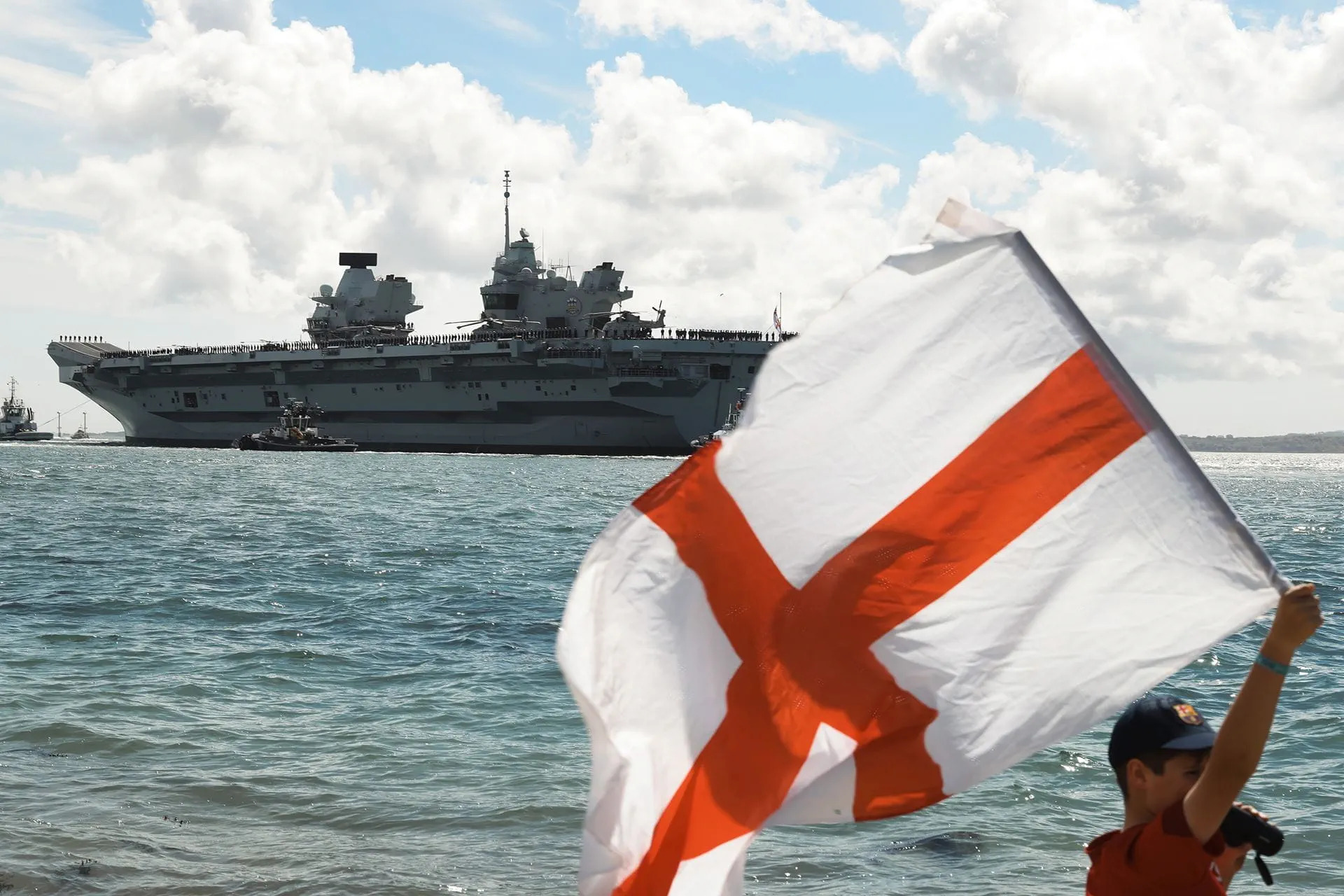
According to the new House of Commons Defence Committee’s report on “Defence in the High North,” published today, there are “glaring gaps” in the UK’s ability to defend against potential Russian threats in the region.
The report notes that the High North, which includes the North Atlantic and the Greater Arctic, is central to the UK’s defence and security concerns.
The melting sea ice is making the region even more important as “Russia seeks to both protect its bases and project its forces into the Atlantic and UK territorial waters.”
The report says Russian submarine and sabotage capabilities in the region pose a potential threat to NATO supply lines, undersea energy pipelines and data cables.
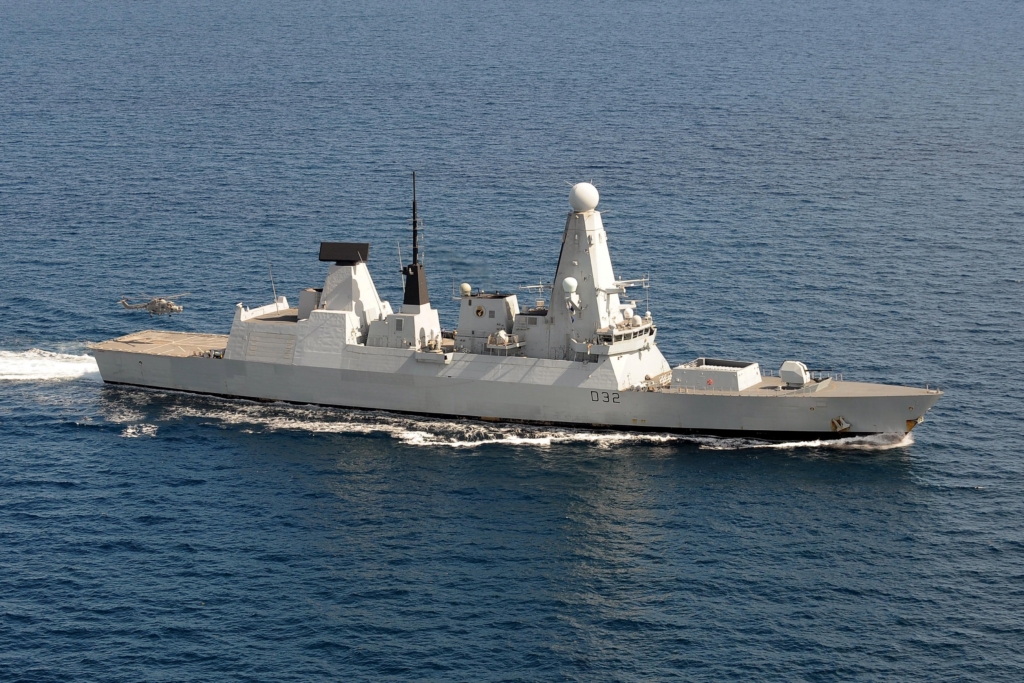
The report also notes that the United States has acted more unilaterally in the region in recent years, particularly in relation to Canada and Greenland. It argues that European NATO members and Canada may therefore need to assume greater responsibility for regional security.
Britain has accepted its leading role in the High North
Britain is leading the expanding 10-nation Joint Expeditionary Force (JEF) to defend the High North and has accepted its central role. It is actively engaged in warding off Russian aggression in the region and threats to its undersea infrastructure.
Former Prime Minister Keir Starmer said in June 2026 that intelligence assessments indicated Russia could be in a position to attack a NATO member as soon as 2030.
Recently, ADS Advance reported that Canada is planning to join JEF, while Ireland is seeking to also join in some capacity, not as a full member.
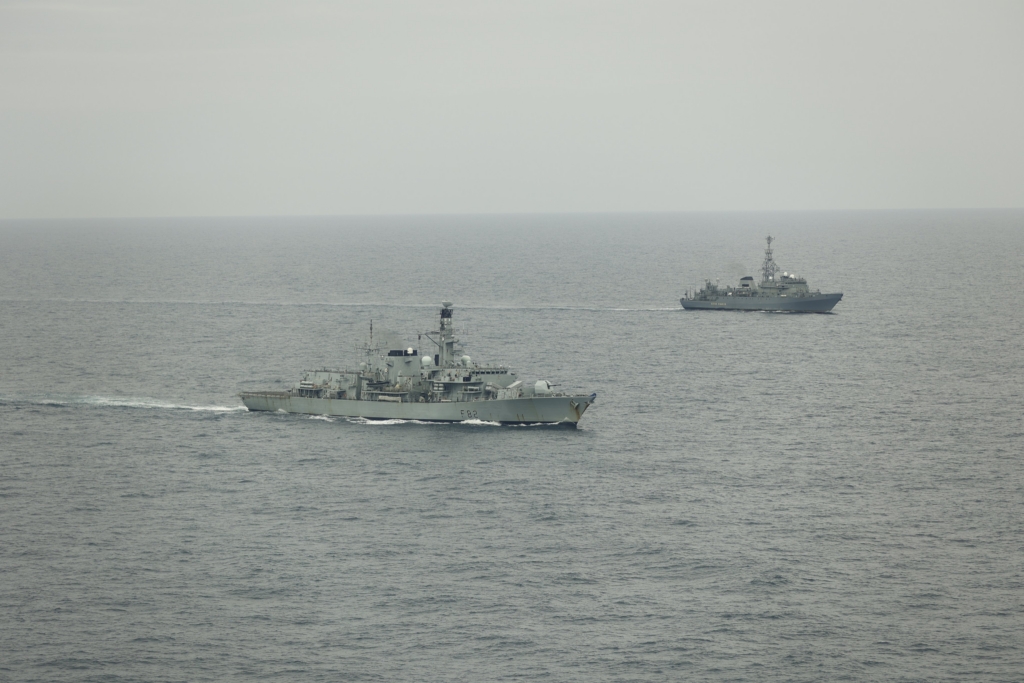
The Royal Navy is recognized as having some areas of genuine strength, particularly the Royal Marines’ Arctic experience. However, the greatest Russian threat is its submarines and maritime sabotage forces.
The Royal Navy has glaring gaps in availability
The Royal Navy’s anti-submarine warfare frigates and nuclear-powered submarines offer the greatest deterrent to Russia. But these are either ageing or too often unavailable due to maintenance issues.
The report adds, “If the UK is to lead an effective coalition, it must address glaring gaps in the availability of its current maritime forces.” Britain must also ensure it has an agreed plan that is integrated with relevant European allies to deter and defeat any aggression.
Among the issues is the Royal Navy’s “shockingly low availability” of submarines. The service has six Astute-class attack submarines in inventory, but recently there have been times when none are at sea.
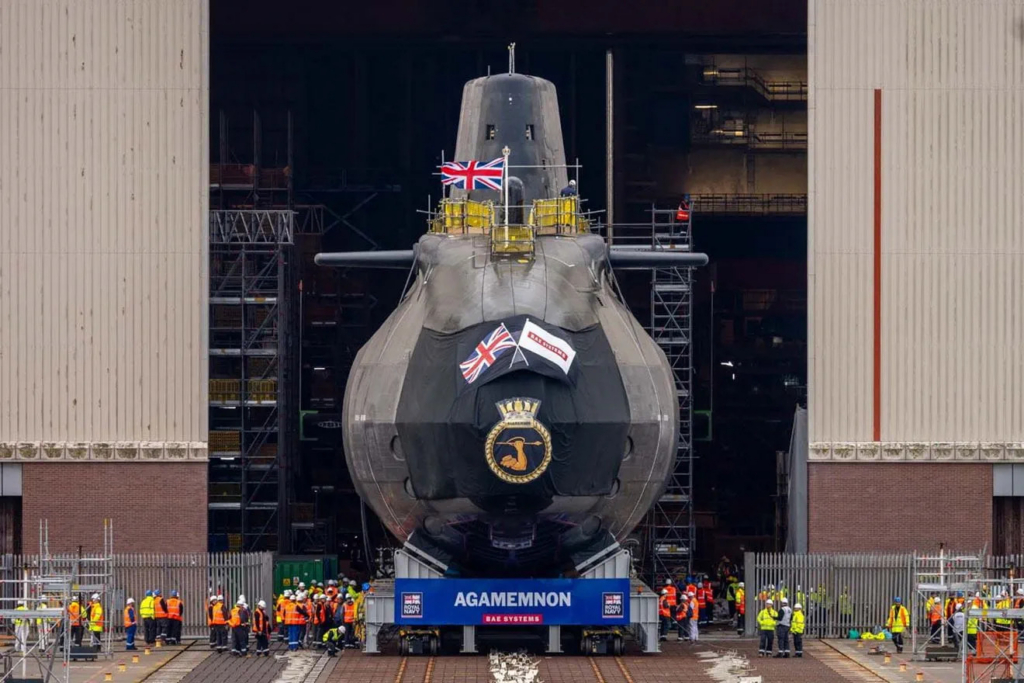
The UK has efforts to address these issues with its submarines and to double the production rate, but these measures take time.
Meanwhile, the BBC reports that Russian submarine activity in the North Atlantic has returned to Cold War-era levels.
The Commons Defence Committee says the Royal Navy is suffering from a shortage of warships and submarines and that this leaves the nation’s critical infrastructure exposed. It says work to remedy these issues “cannot start soon enough.”
Sign up for our newsletter and get our latest content in your inbox.
Similar Reads



Sign up for our newsletter. Select all sectors relevant to you.
Related