Satys completes strategic realignment
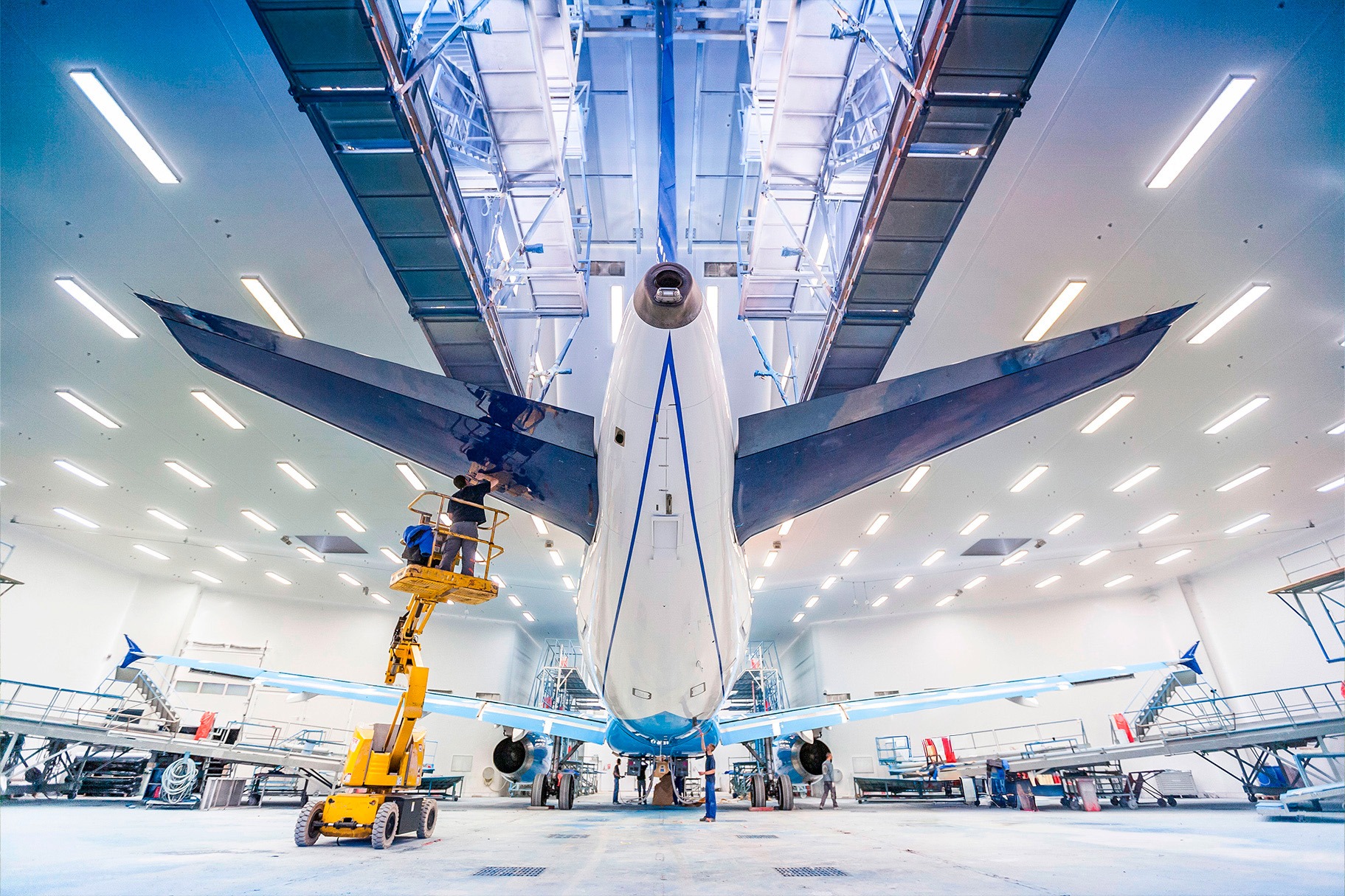
Image courtesy Satys
Driven by the strong momentum of the global aeronautics industry, the Toulouse-based Satys Group is consolidating its growth, recovering its pre-Covid profitability ratios and entering 2026 with solid development ambitions across its six markets: commercial aviation, regional aviation, business aviation, helicopters, defence and aircraft repainting.

Christophe Cador, Founder and Chairman of Satys, said: “This favourable environment contrasts sharply with the extreme difficulties we faced from 2020 to mid-2024, initially due to the health crisis and subsequently to the effects of hyperinflation, a cyber-attack and the discontinuity of demand.
“We have worked extensively, particularly on our organisational structure and continued to invest in training and targeted industrial capabilities to ensure we could meet the strong recovery of the sector. The efforts of the Satys Aerospace and Satys Coatings teams are now paying off and our four priorities have remained unchanged for 40 years: staff safety, on-time delivery, the quality of our services and a service-driven mindset.”
The group has undertaken a major strategic shift since 2020 by refocusing on aircraft painting and surface treatment. This roadmap led Satys to divest its cabling business to an investment fund in 2020, then in early 2025 to sell its Satys Cabin division to the UUDS Group. Finally, on 30th January 2026, it sold its rail interior design business, Kelox, to the French group Barat, a well-established player in this sector. Kelox had been successfully restructured in 2025 following very serious financial difficulties between 2022 and 2024, which had required significant financial support from the shareholder.
The latest milestone in this strategy is the takeover of Sabena technics’ four aircraft painting facilities in Cornebarrieu, finalised on 13th February 2026. Located on the edge of the Toulouse-Blagnac runways, these facilities handle 140 aircraft per year. The transaction includes the transfer of the site’s 130 employees to Satys Aerospace.
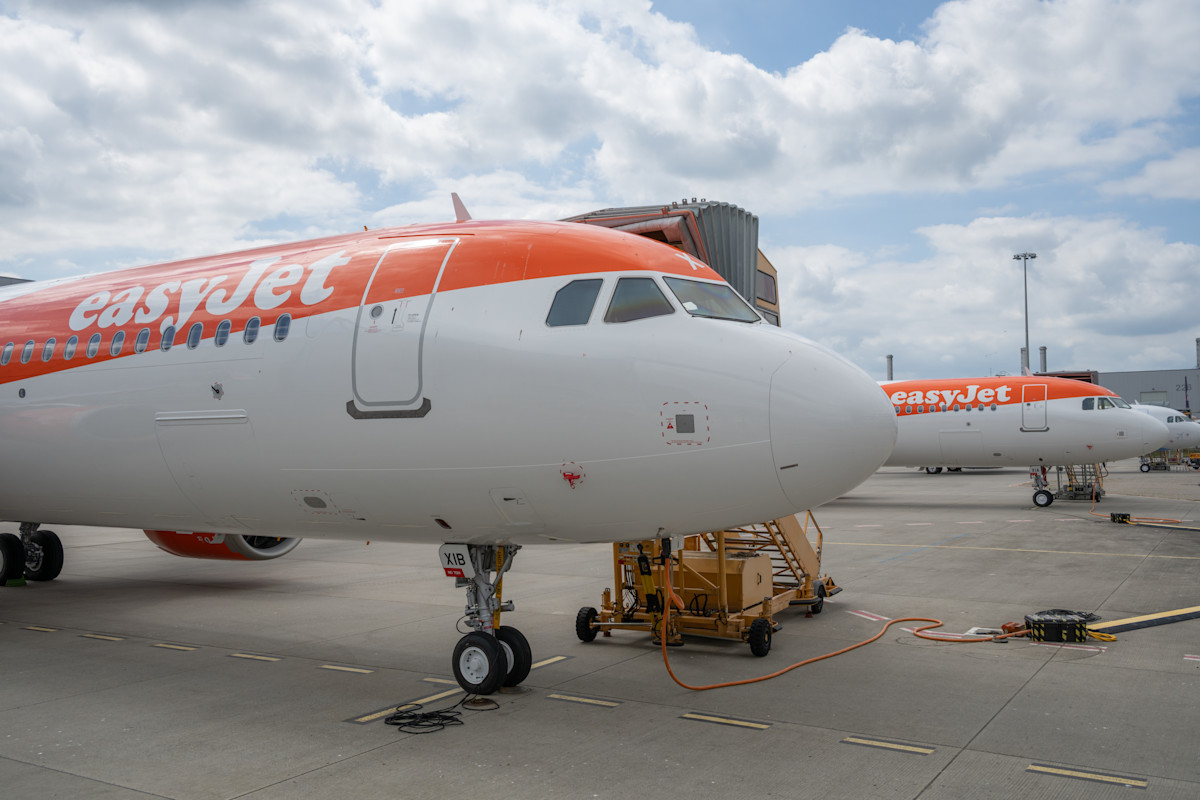
Gregory Mayeur, CEO of Satys Aerospace said: “The expertise of the Satys teams in Blagnac, combined with that of Sabena technics in Cornebarrieu, will enable us to further strengthen our positioning and operational performance for our customer Airbus, with a total of 10 painting facilities in Toulouse, including four widebody hangars.”
This takeover follows the acquisition of SPI in 2022 and the opening of four new painting facilities in 2025–26, including a widebody paint bay in Châteauroux.
Satys Industries is today structured around two autonomous groups, each 100% dedicated to aeronautics:
Satys Aerospace specialises in aircraft painting and sealing and will celebrate its 40th anniversary in June 2026. The company operates forty-six paint shops and sixty-eight paint booths across 10 countries and plans to open 18 additional sites — including six long-haul capacity facilities — on four continents over the next six years.
Satys Aerospace’s main customers include the aircraft manufacturers Airbus, Dassault, Embraer and ATR, airlines and maintenance centres.
Satys Coatings, led by Thierry Cotelle (CEO), specialises in surface treatment for aeronautical parts and operates four production sites: in Marseille, where Satys Coatings is investing in the renovation of its historic facility, in Toulouse, in Dugny (Seine-Saint-Denis) and in Gyula (Hungary).
Satys Coatings has also developed in Marignane, together with its partner Gaches Chimie, the Expiris platform, which comprises a design office—focused on research into next-generation coatings—a corrosion expertise centre and a laboratory supporting its activities.
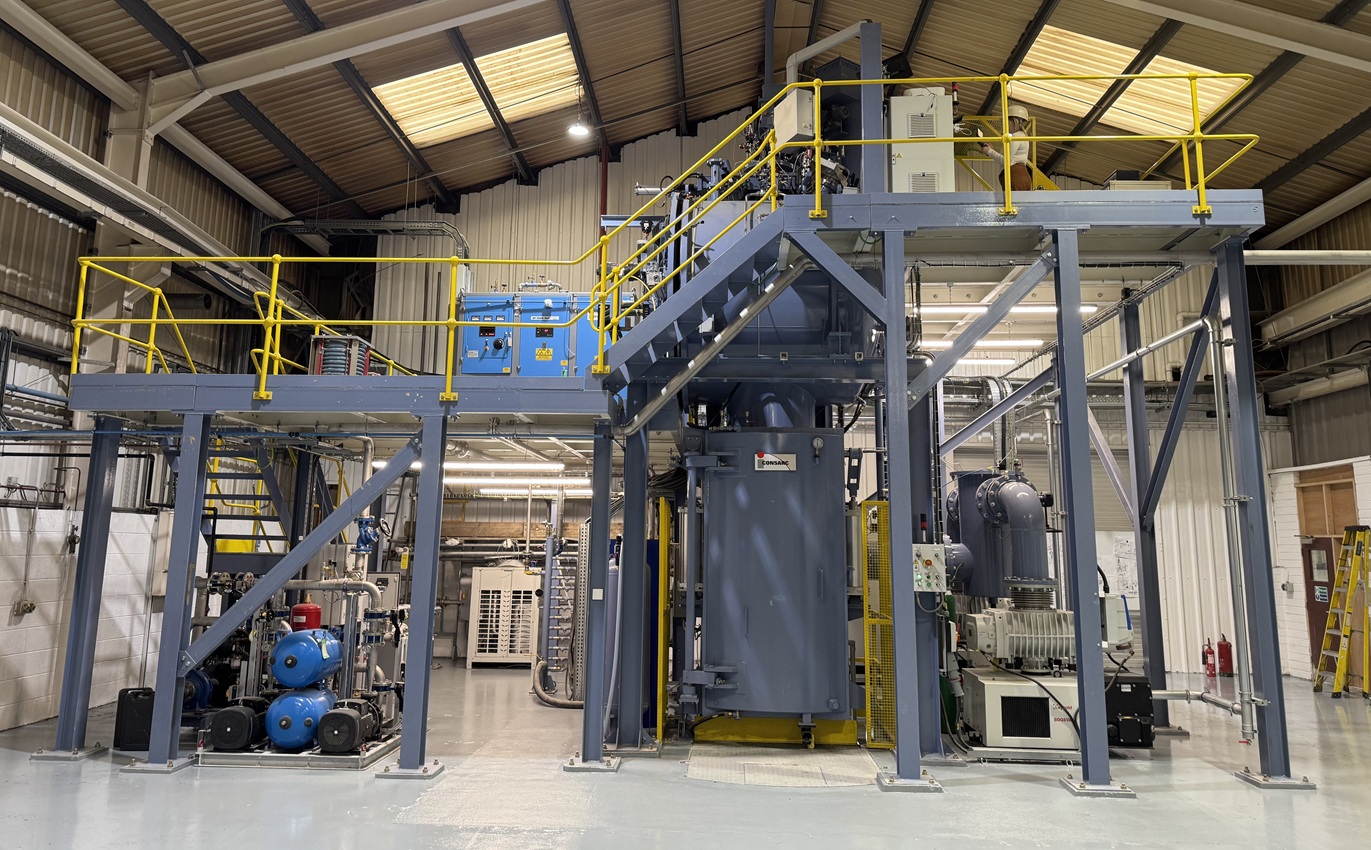
With a workforce of 300 people, the company is strongly focused on innovation. The group has developed anaphoretic coating technology (with a €7 million investment in 2023), a genuine alternative to the use of chromates in surface treatment and painting. Thierr said: “Our priorities also include reducing processing times, maintaining a high level of quality and providing additional capacity to support the growth of the aeronautics sector.”