Advancing UK Aerospace, Defence, Security & Space Solutions Worldwide
  • Home
  • /
  • Space
  • /
  • Serco to support EUMETSAT with Copernicus data processing

Space

Serco to support EUMETSAT with Copernicus data processing
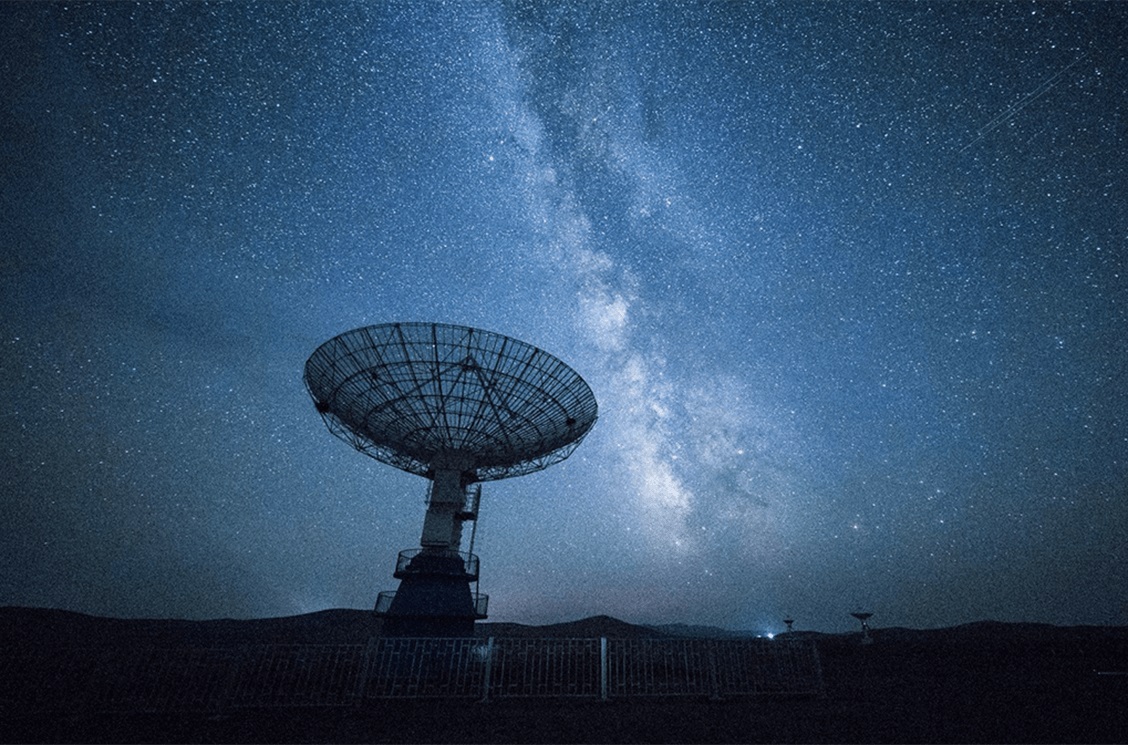
Serco Europe has been awarded a new three-year contract (with two one-year extensions) by EUMETSAT – the European operational satellite agency for monitoring weather, climate and the environment from space.

Image courtesy Serco

Serco will lead a consortium including CS Group - Germany and Terma to provide engineering support to the data processing systems for the Copernicus Satellite missions at EUMETSAT.

The initial team of eight engineers will support the operational Sentinel-3 and Sentinel-6 satellites, with the volume of work anticipated to double over the contract with the planned launch of the Sentinel-4, Sentinel-5 and Sentinel-7/CO2M satellite missions.

Advertisement
ODU RT

Serco, together with its partners, will be responsible for providing operational engineering support to the satellite payload data processing facilities. These data processing facilities provide the main functions for payload data acquisition, processing, instrument calibration, quality control, product validation, archiving and dissemination of data obtained from the Sentinel satellites as part of the Copernicus mission.

Guido Vingione, Space Business Development Director said: "This important new contract reinforces Serco’s capability to provide managed service solutions to satellite operations and strengthens our support to EUMETSAT and the Copernicus programme".

Copernicus is the European Union’s Earth Observation programme. Currently, the data coming from the two satellites in orbit are devoted to oceanography and global land application (Sentinel 3), as well as ocean topography (Sentinel 6), obtaining key measurements and data to support weather forecasting and to monitor sea levels and other key indicators of climate change.

Advertisement
ODU RT

Serco already provides a wide range of services to EUMETSAT, including real time satellite operations services to all the satellite constellations in EUMETSAT and other engineering activities supporting the satellite and ground segments.



Advertisement
FIA2026 animated banner
Seraphim establishes Global Space Futures Advisory Council

Space

Seraphim establishes Global Space Futures Advisory Council

17 April 2026

London based space technology investment group, Seraphim Space, has announced the establishment of the Global Space Futures Advisory Council, created to address key strategic, commercial and geopolitical opportunities and challenges facing the space sector.

AccelerComm granted 56th patent as it advances 5G

Space

AccelerComm granted 56th patent as it advances 5G

16 April 2026

UK based provider of physical layer IP for 5G non-terrestrial networks (NTN), AccelerComm Ltd, today announced the grant of its 56th international patent, marking a significant milestone as the company completes its 10th year of operations.

DESI completes 3D map of the Universe

Space

DESI completes 3D map of the Universe

16 April 2026

The Dark Energy Spectroscopic Instrument (DESI) has completed the largest 3D map of the Universe.

BAE Systems introduces Ascent spacecraft

Defence Space

BAE Systems introduces Ascent spacecraft

15 April 2026

BAE Systems has introduced its Ascent spacecraft, a new addition to the company’s Elevation spacecraft line that supports superiority and exploration missions across the space domain.

Advertisement
ODU RT
Amazon to acquire Globalstar

Space

Amazon to acquire Globalstar

14 April 2026

Amazon.com, Inc. and Globalstar, Inc. have announced that they have entered into a definitive merger agreement under which Amazon will acquire Globalstar, enabling Amazon Leo to add direct-to-device (D2D) services to its low Earth orbit satellite network and extend cellular coverage to customers beyond the reach of terrestrial networks.

Northumbria University researchers awarded £4m to solve space radiation mystery

Space

Northumbria University researchers awarded £4m to solve space radiation mystery

14 April 2026

Researchers at Northumbria University have been awarded £4 million to unlock the secrets of Earth's radiation belts and why they behave so unpredictably – information which is crucial for protecting satellites and forecasting space weather.

Advertisement
ODU RT
Advertisement
Gulfstream banner