Surrey Space Centre delivers analysis of space weather radiation storm
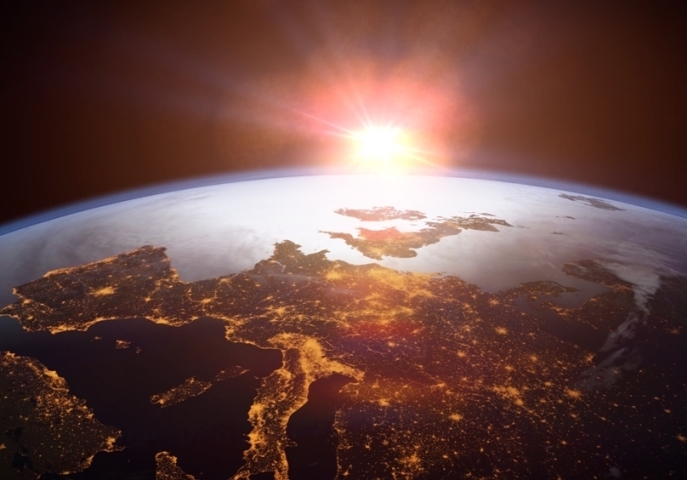
Image By Dotted Yeti / copyright Shutterstock
Backed by £100,000 from the Natural Environment Research Council (NERC), researchers at the Surrey Space Centre will collate data from these dense sensor networks across the UK, US, Germany and Australia to reconstruct the event in greater detail.

Typically used to monitor water levels in soil, these sensors work by measuring neutron radiation near the Earth’s surface. During intense space weather events, high-energy particles from the Sun interact with the atmosphere, increasing neutron counts – meaning the sensors can inadvertently capture the signature of solar radiation storms.
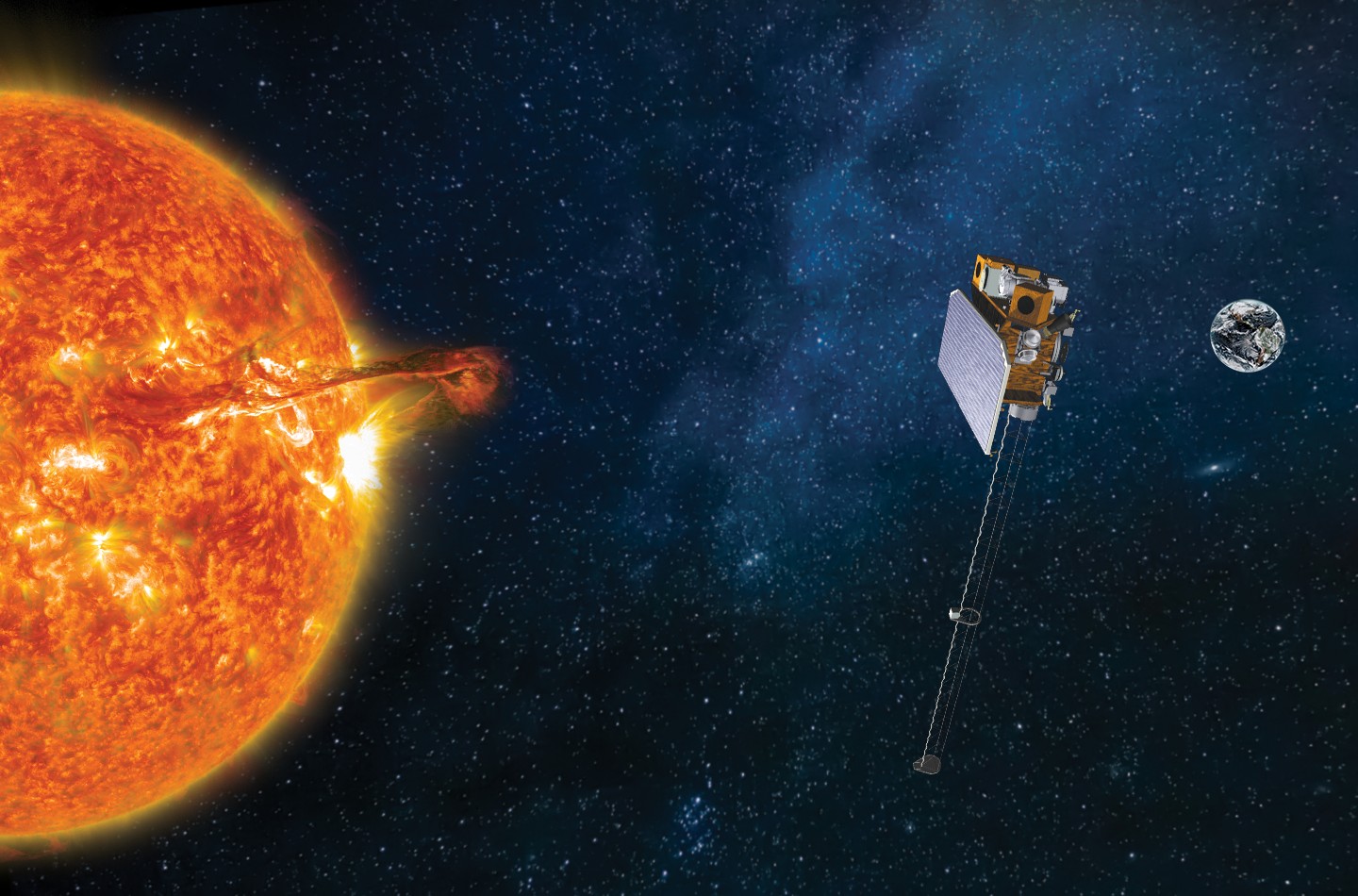
Space weather events such as this – known as Ground Level Enhancements (GLEs) – are infrequent but potentially disruptive, with the ability to affect aircraft systems, satellites and critical infrastructure: for example, the grounding of nearly 6,000 Airbus A320 aircraft in November 2025 was due to the existence of such vulnerabilities. However, existing monitoring networks are sparse, making it difficult to understand the intensity of GLEs across locations.
In contrast, the growing density and global spread of soil moisture sensor networks could allow scientists to map atmospheric space weather increases at a much finer resolution than ever before, providing a clearer picture of where impacts are most severe.
Dr Fraser Baird, Research Fellow at the University of Surrey and co-lead on the project, said: “Space weather is often treated as a global phenomenon but its effects can differ significantly depending on where you are in the world. For example, we know that ionising radiation in the atmosphere doubled in just 10 minutes in Lerwick, Scotland, on the 11th of November, whereas in Guildford, England, it only increased by 10% over an hour. What we’re trying to do is capture the detail in between these measurements for the first time.
“These soil sensors are already deployed around the world for environmental monitoring. If we can use them to detect space weather too, it opens up a completely new, cost-effective way of observing these events.”
The findings could help improve how scientists monitor and respond to space weather, particularly as reliance on satellite technology and aviation systems continues to grow. A better understanding of how radiation exposure differs from place to place could also support more accurate forecasting and strengthen resilience across critical infrastructure.
Professor Keith Ryden, leader of the Space Environment and Protection research team at the Surrey Space Centre and project lead, said: “The UK National Risk Register places space weather second only to a pandemic, so we do need to better understand and manage such hazards. This new project is a great example of how existing infrastructure can be repurposed to address such risks, as well as being a benefit for space science in the longer term. While these sensors were not designed for monitoring space weather, they can offer a level of detail that’s difficult to achieve with existing space weather monitoring systems.”
Running for nine months from April 2026, the project aims to deliver the most detailed report of the largest ground-level space weather radiation event in almost 20 years – and could pave the way for a new approach to space weather monitoring.