Surrey Space Institute enhances expertise with new apppointments
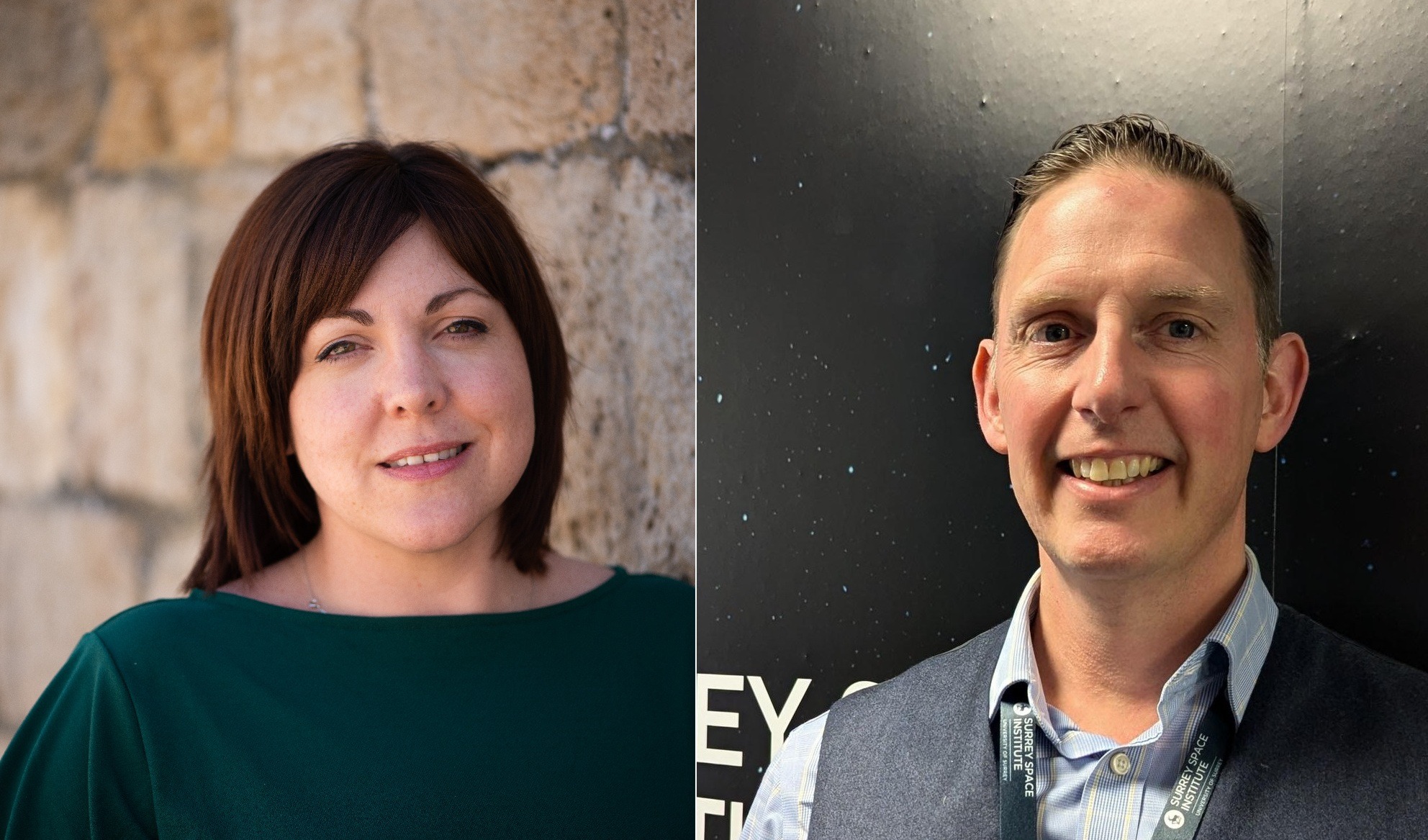
Image courtesy Surrey Space Institute
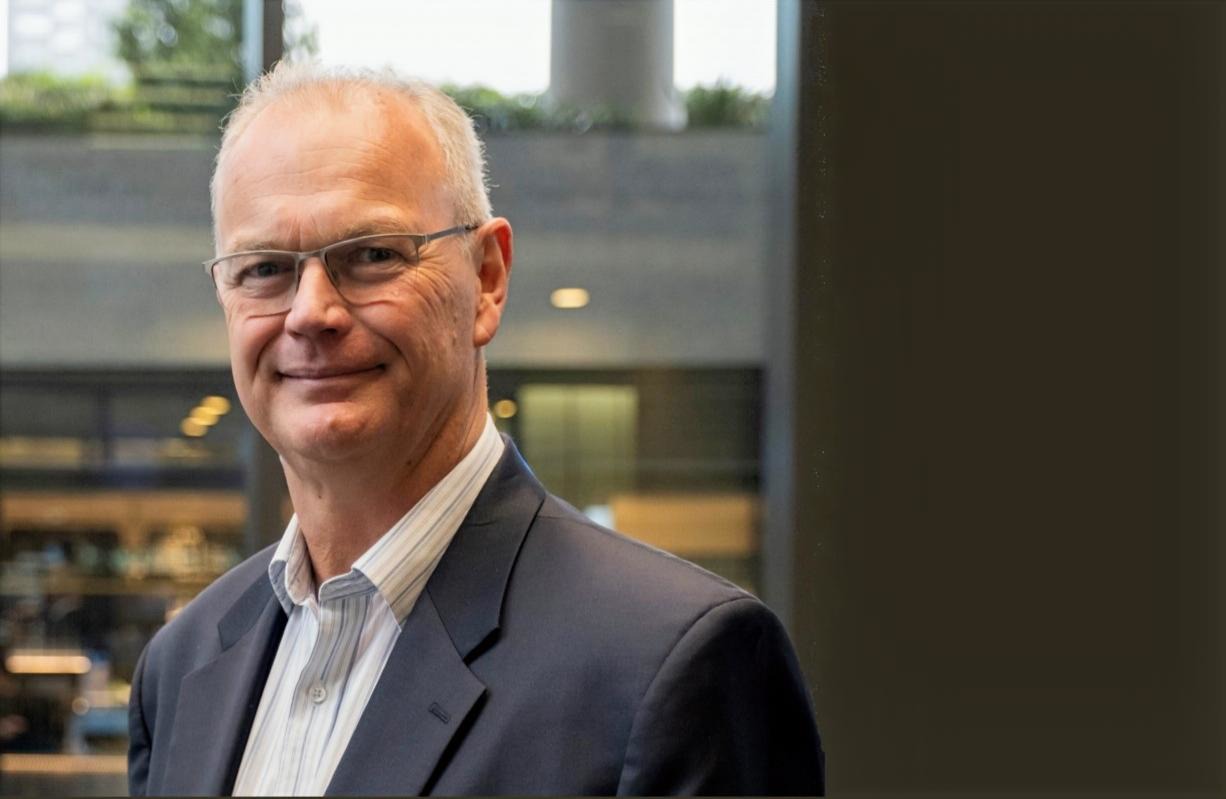
Dr Louise Butt, currently Director of the Space South Central cluster, will join as Head of Institute Operations on 1st April and Simon Fellowes has already started as Chief Engineer.
Louise Butt is a respected space leader who has worked closely with the University of Surrey for four years, since it co-founded Space South Central in 2022. Known for her extensive knowledge of the regional space landscape, her ability to foster collaborative environments and her facilitation of skills development within the sector, Louise has a strong record of enabling growth across one of the UK’s most dynamic and mature space regions.
At Surrey, she will help realise the Space Institute’s vision of building strong industry partnerships and delivering space research, education and technologies that drive economic growth while serving humanity and protecting the environment. She said: “Surrey has long been a powerhouse of space innovation, pioneering the small satellite revolution and propelling influential space leaders across the globe. As the UK reaches a pivotal moment in its space journey, with the capability and ambition to deliver world leading missions and train the next generation of talent, I am excited to bring my experience to the Surrey Space Institute, which represents a powerful convergence of ambition, capability and community.”

Simon Fellowes, a technical manager with more than 25 years’ experience in systems and space engineering at organisations including Surrey Satellite Technology Ltd, NPL, QinetiQ and D-Orbit, rejoins the University of Surrey having previously coordinated the €15 million international RemoveDEBRIS technology demonstration project, led by Surrey, which launched from the International Space Station in 2018.
Simon will support the Space Institute’s delivery of missions. He has been instrumental in the JUPITER programme – the Joint Universities Programme for In-orbit Training, Education and Research. Through this, he supported students through the Jovian-O mission, which also qualified a new satellite deploy pod designed by Surrey’s students and built on campus, and he is leading the Jovian-1 mission. He said:
“We have ambitious ideas for new space innovations, which will enable students to develop the hands-on mission experience the space sector so greatly needs. Built in partnership with industry, we want our missions to deliver tangible societal benefits, helping the environment and building resilience, as well as working towards exciting exploration developments.”
Professor Adam Amara, Founding Director of the Surrey Space Institute, said: “With the appointment of these two space powerhouses to support our talented academics, the Space Institute will be able to reach across the globe to convene the technologies, researchers and companies that will tackle the world’s problems and use an interdisciplinary approach to space to address them.”
The Surrey Space Institute, based at the University of Surrey, builds on the proud legacy of the Surrey Space Centre and its spinout company, Surrey Satellite Technology Ltd and brings together strengths in interdisciplinary research, innovation and education to address three critical themes: using space data to better understand water on Earth, ensuring space infrastructure is resilient and can sustainably continue to support life on Earth; and identifying how to protect human life during deep space exploration.