Teledyne e2v sensors to help ESA’s Euclid explore the dark universe
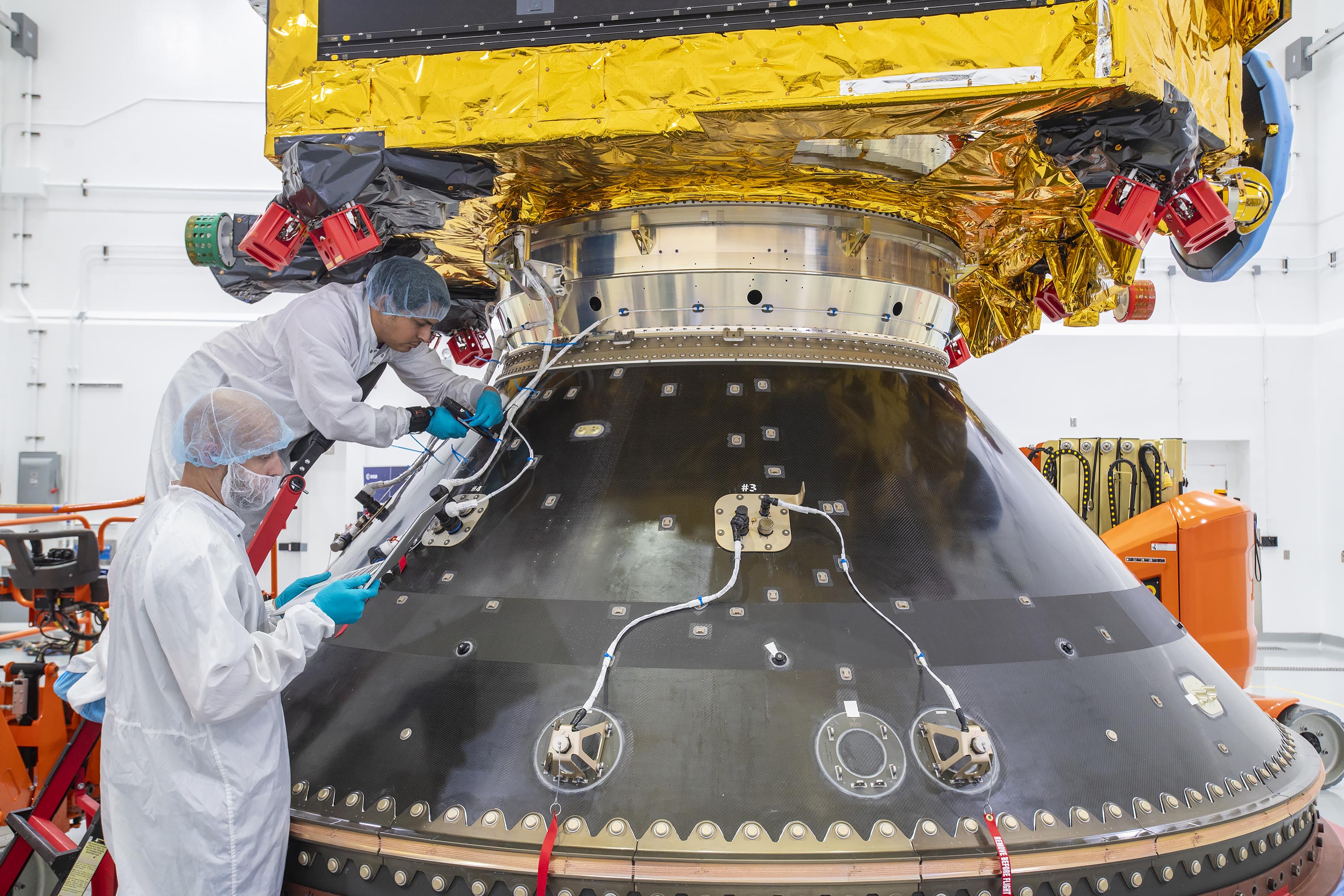
Above:
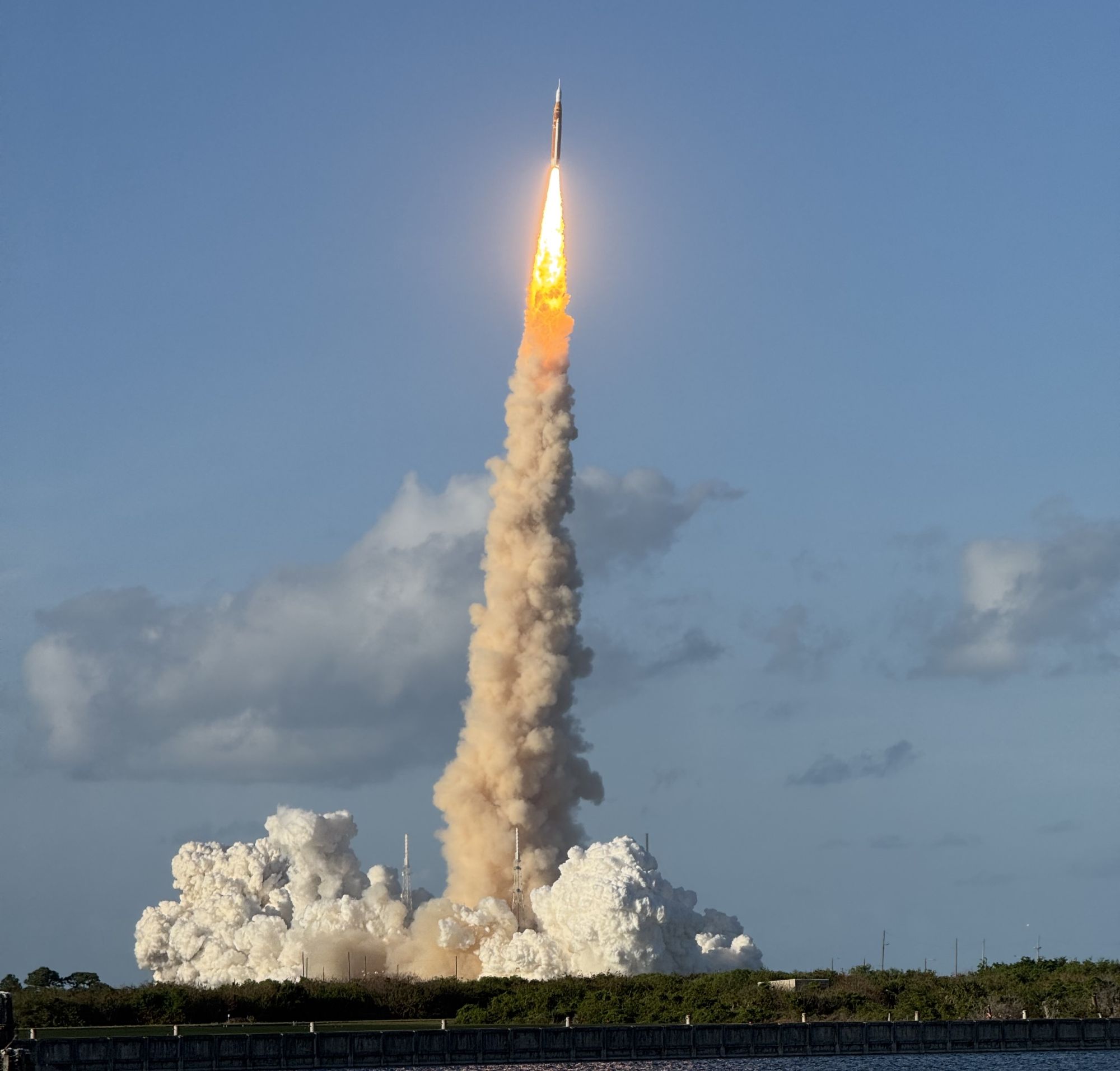
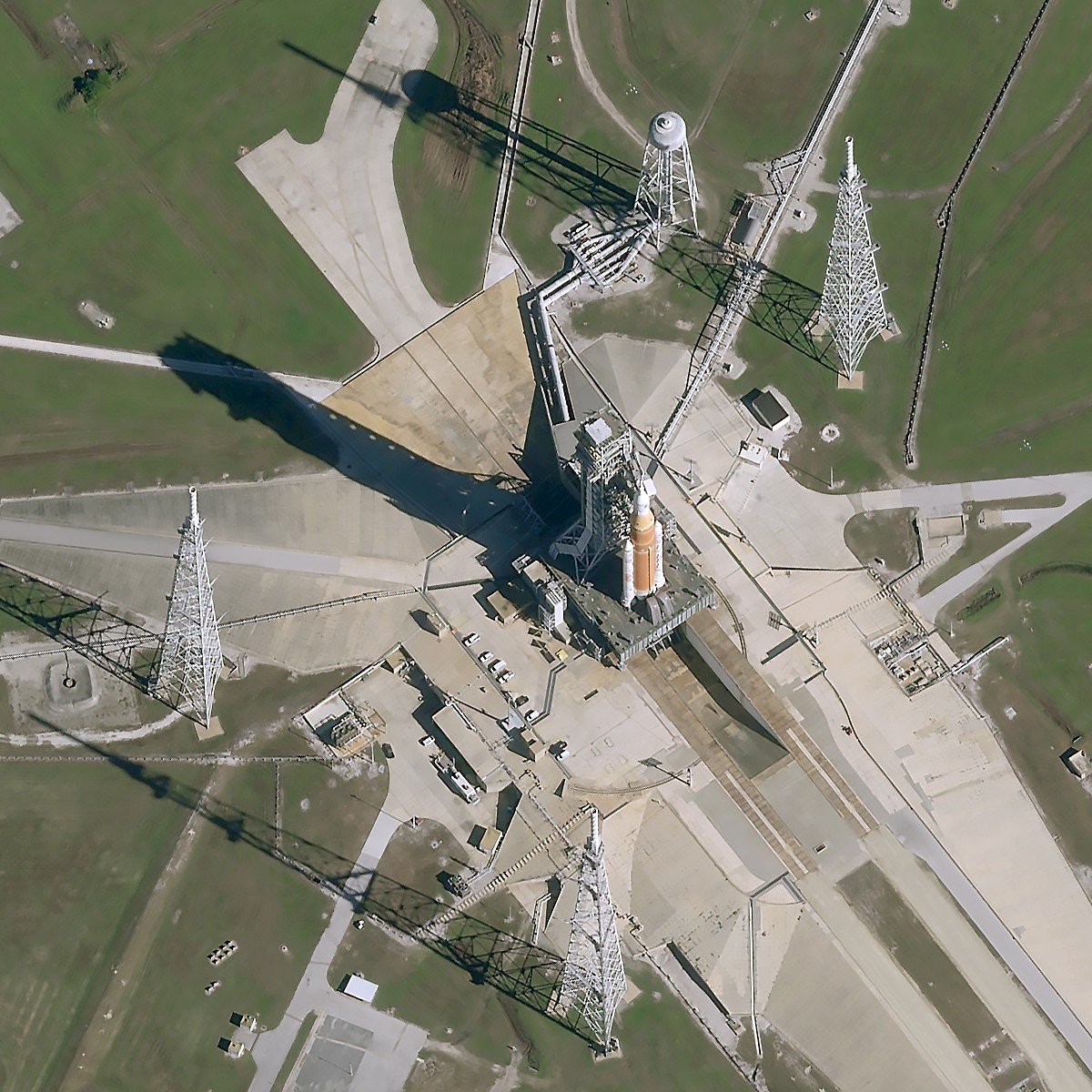
After being secured to the SpaceX Falcon 9 adaptor, on Friday 23rd June, Euclid was mounted on top of the Payload Attach Fitting (PAF). Before launch, Euclid on the PAF will be encapsulated in the Falcon 9 rocket. ESA’s new cosmological mission Euclid is getting ready for lift-off with a target launch date of 1st July 2023 from Cape Canaveral in Florida (USA).
Copyright ESA

Euclid is designed to explore the evolution of the dark universe. Over six years, it will make a 3D-map of the universe by observing billions of galaxies out to 10 billion light-years, across more than a third of the sky. Euclid will give us further understanding of what dark energy and dark matter actually are. The mission will help to determine how the universe originated and what it is made of.
Euclid is a European mission, built and operated by the European Space Agency (ESA), with contributions from NASA. Teledyne e2v is part of the Euclid consortium consisting of more than 2000 scientists from 300 institutes in 13 European countries, the US, Canada and Japan.
The Teledyne e2v team have a rich heritage of manufacturing imaging sensors and sub-systems for over 150 space missions helping humankind to better understand the world we live in. They were selected to work with ESA on the Euclid mission as their sensors are proven to surpass the mission lifetime and known to survive the cold hostile space environment. All Teledyne e2v’s sensors go through intensive radiation, temperature, shock and vibration testing. Euclid will be too far out into space to do any repairs so the Teledyne e2v team have designed sensors that will deliver on performance over the mission lifetime.
The launch was delayed due to the war in Ukraine and is now scheduled for 1st July on a SpaceX Falcon 9 launch vehicle from Cape Canaveral, Florida, USA. Its operational orbit will be a halo around a point known as the Sun-Earth Lagrange point 2, at an average distance of 1.5 million km beyond Earth’s orbit. It will initially fly for 30 days for instrument testing followed by an operational lifetime of six years, with the possibility of extension.
Gabriela Druitt, Director of Engineering for Space Imaging at Teledyne e2v, who worked on Dark Matter research prior to starting at Teledyne e2v, said: “I think this is one of the most exciting missions that we have worked on to date. The Euclid mission will help us understand the fundamental physical laws of the Universe. It will reveal what dark energy and dark matter is and how the universe is changing. Dark matter can have some interesting applications, such as enabling futuristic space travel which would enable humankind to break current challenges that are associated with it.”
All the Euclid visible sensors were designed, fabricated, post-processed, packaged and tested in Teledyne e2v’s facilities in Chelmsford in the UK. The detectors for the EUCLID infrared focal plane were provided by Teledyne e2v’s sister company, Teledyne Imaging Sensors, in California.