

Travelport releases 2025 State of Modern Retailing Report


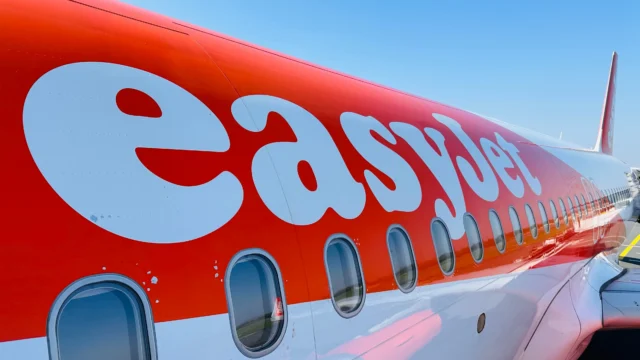
Image by 06 photo / copyright Shutterstock
This report, combining new proprietary research and cross-industry insights, outlines critical trends reshaping the travel industry in 2025, including heightened demand for transparency, the emergence of new subscription models, and AI-driven advancements in the travel retail experience.
Jen Catto, Chief Marketing Officer at Travelport said: “Consumers are clear about what they want from the travel industry – simplicity, transparency and trust.
“Our latest research shows that travel has reached a tipping point. Modern retailers who embrace radical transparency, adopt AI responsibly, and deliver streamlined experiences will thrive in this evolving landscape.”
Five key trends to watch in 2025:
- Consumer-washing ends and radical transparency begins
Travel companies face growing criticism for ‘consumer washing’, a practice where businesses advertise deceptively low prices, hiding fees or conditions until checkout.
Nearly half (44%) of surveyed consumers ranked airlines, hotels, and travel companies as major offenders, second only to credit card companies (45%).
Modern retailing requires honesty at every stage of the customer journey. Brands that eliminate hidden fees and agencies that present clear, comparable options across suppliers will earn customer loyalty. Radical transparency is not just a necessity – it is a competitive advantage.
- Disruptors delivering simplicity will outpace the laggards
Fintech disruptors have reshaped banking, with 47% of consumers agreeing they have made personal finances easier to manage. However, the travel industry lags behind. Over half of consumers (56%) report that airline offers have become more confusing over the past decade.
To match fintech’s success, travel brands must embrace agile, API-led technology that enables seamless integration of new content, data and features. Those who simplify the shopping experience will stand out in a crowded market.
- Distribution partnerships drive consumer growth
The overwhelming number of content options across industries has led to choice overload. In streaming services, for example, 56% of consumers feel overwhelmed by the amount of content available on traditional and streaming channels and 75% would prefer one bundled subscription.
Travel is no different. Forward-thinking companies are forming unconventional partnerships to meet consumers where they shop. For example, low-cost carriers (LCCs) are opening up their content to travel retailers, recognising that a multichannel approach simplifies the consumer experience while driving loyalty.
- Travel subscriptions gain traction
Travellers are increasingly turning to subscriptions. Online travel agencies (OTAs) like eDreams ODIGEO have demonstrated the potential of this approach, boasting more than 6.5 million Prime subscribers. Its subscription model is currently the company’s largest contributor of revenues and margins.
One in three consumers (35%) surveyed said that they would consider a travel subscription in 2025, highlighting that this business model is primed for growth. Benefits such as convenience, cost savings, and exclusive perks make subscriptions a compelling alternative to traditional loyalty programmes.
- AI raises the bar for travel retailing
AI adoption is accelerating, with 58% of people using AI in their personal or professional lives. Travel ranks in top three industries for AI trust, with 42% of consumers trusting travel brands to use AI responsibly. In fact, 80% of frequent travelers already feel comfortable using AI for trip planning.
AI-driven tools will revolutionise travel retailing in 2025, from predicting travel behaviour to curating personalised offers. For agencies, AI will simplify managing multi-source content and enable more effective customer service and upselling.
To read the full report: www.travelport.com/travel-trends-2025
Sign up for our newsletter and get our latest content in your inbox.
Similar Reads


Sign up for our newsletter. Select all sectors relevant to you.
Related