UK airlines minimise A320 maintenance disruption

Image copyright Airbus
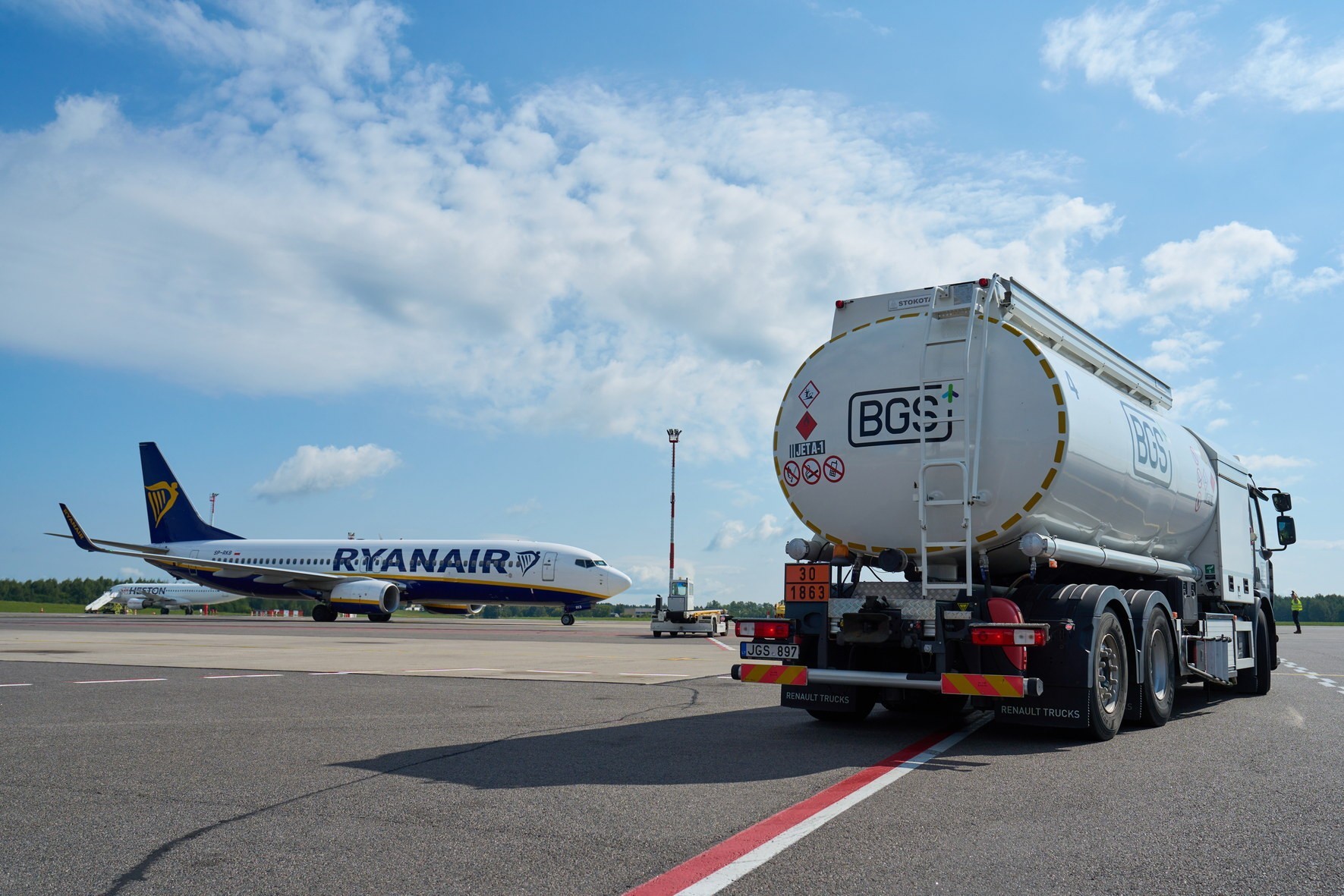
UK airlines worked swiftly and closely with their airport partners to carry out the software update to the vast majority of the relevant aircraft. While some disruption had been anticipated, very few UK airline flights were affected, with passengers experiencing minimal impacts.

Following this work, only a small number of aircraft operated by UK carriers still required a software/hardware change. Given the spare aircraft capacity airlines have, especially at this time of year, we are not expecting any significant passenger disruption.
Rob Bishton, Chief Executive at the UK Civil Aviation Authority, said: “I want to thank the airlines for working at pace to take this precautionary maintenance action.
“Thanks to their diligent and swift efforts, UK aviation has come together to minimise significant passenger disruption.”
The CAA also thanked colleagues at the European Union Aviation Safety Agency (EASA) for their clarity and support.
Airbus provided an update on deployment of A320 Family precautionary fleet measures, stating that out of a total number of around 6,000 aircraft potentially impacted, the vast majority had now received the necessary modifications. Airbus worked with its airline customers to support the modification of less than 100 remaining aircraft to ensure they could be returned to service.

Professor Keith Ryden and Professor Clive Dyer from the Surrey Space Centre at the University of Surrey said: "The malfunction of a computer on the A320 JetBlue (JBLU.O) flight from Cancun, Mexico, to New Jersey, on 30th October, in which several passengers were hurt following a sharp loss of altitude, is uncannily similar to an event in 2008 on Qantas that also led to many severe injuries and finished the career of the pilot who heroically saved the plane.
"We need to know more about the event but research here at the University of Surrey over some decades has shown that solar radiation is quite capable of causing malfunctions in airborne electronics, and we have recently launched a model that enables engineers to readily calculate the effects on computers and electronics operating at altitude – the model, MAIRE, is already under trial at the UK Met Office and should ultimately improve the information available to the aviation sector.
"On the other hand, it's somewhat puzzling that Airbus refer to 'intense' solar radiation: on 30th October, the aircraft concerned would only have experienced normal radiation levels for that altitude – there was no solar event of concern and no increase above normal. That said, there was a big radiation increase two weeks later, on 11th November 2025, when a 'space weather' event known as a ground level enhancement (GLE) took place – the largest for 20 years. Our model indicates that radiation levels reached almost ten times normal for a short period at cruising altitudes, and measurements using rapid reaction balloons launched by the UK Met Office during the event are being studied – we certainly saw substantial increases in some regions.
"Such data enables us to calibrate our model and estimate what might occur in more severe events – in 1956, for example, an event 100 times more intense occurred, and it's part of our research to estimate what the effects might be. We have contributed to avionics standards for radiation effects over two decades, but space weather enhancements are not adequately addressed at present."