UK and UN join forces in using space tech to tackle climate change

Above:
T
he 26th UN Climate Change Conference of the Parties (COP26)
is taking place at the SEC Centre within the Scottish Event Campus (SEC) in Glasgow (31st October - 12th November).
Image: By Richard Brew / copyright Shutterstock
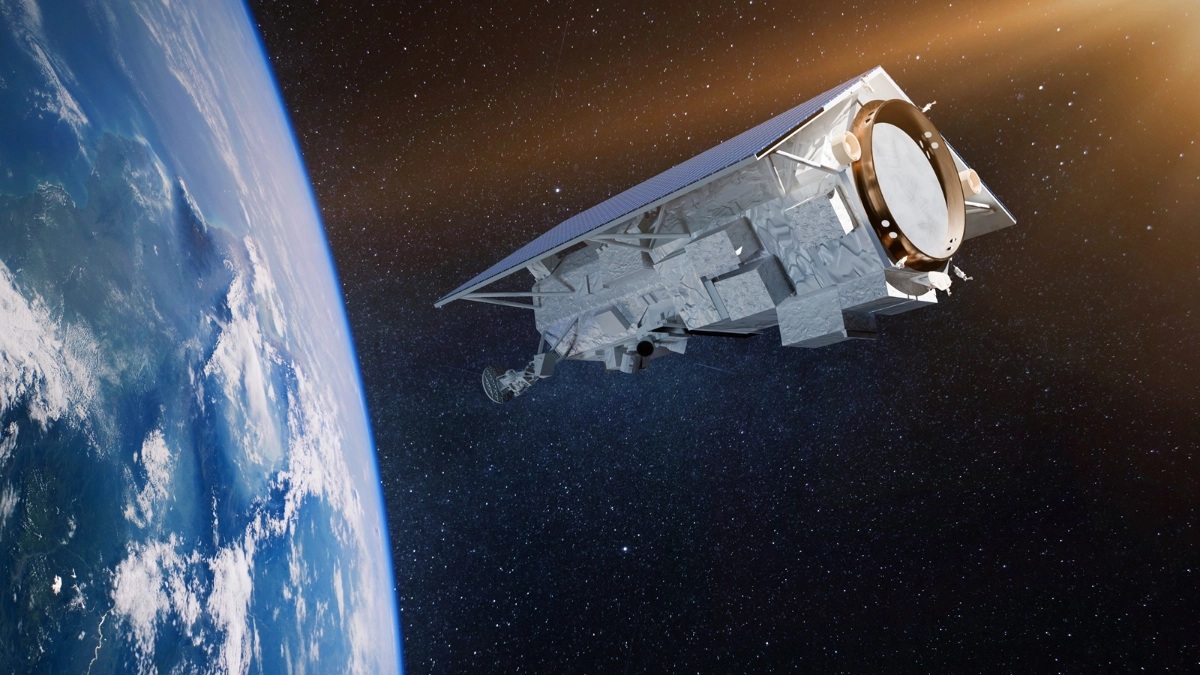
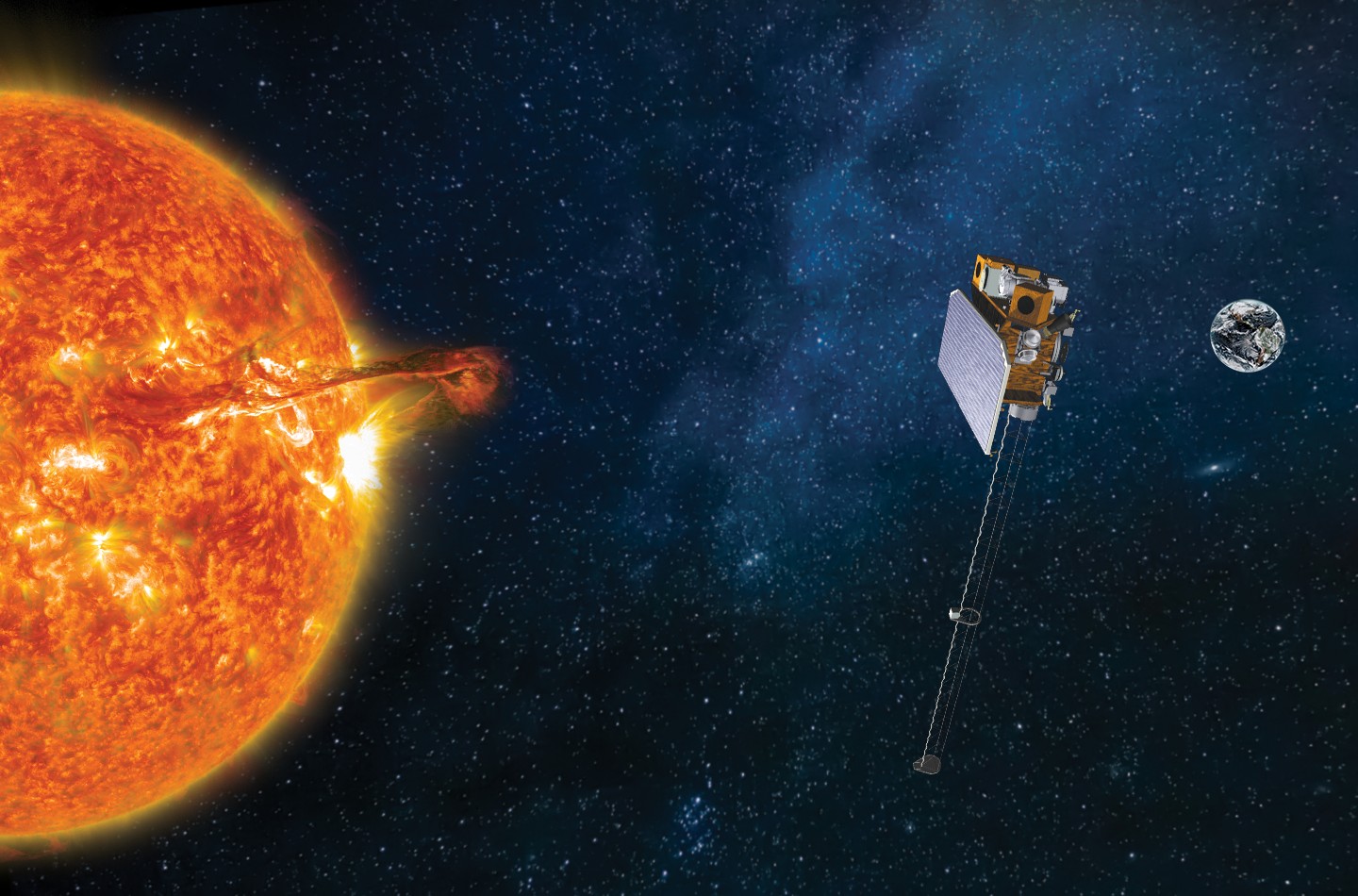
The government’s National Space Strategy, which was unveiled in September, set out an ambition for the UK to be a leader in using space for climate action. Now, the UK Space Agency will work with the UN Office for Outer Space Affairs (UNOOSA) on a new review of existing activity on climate action through the use of space technologies.

The aim is to develop a strategic view of climate activities being carried out in space on a scale that has never been done before and, through this, increase policy coherence across the multilateral system and relevant international organisations.
The review, which is due to start in December, is intended to provide a detailed overview of space-based climate activities undertaken by both UN and non-UN entities and raise awareness of those opportunities at hand to support actions while fostering collaboration.
Dr Paul Bate, Chief Executive of the UK Space Agency, said: “The UK is leading the way in using satellites to monitor and tackle climate change and we are building trusted relationships between the UK space sector and international partners.
“We’ve seen throughout COP26 how satellites are being used to measure carbon emissions, monitor deforestation and improve climate models that inform international action. This new project with UNOOSA will map this existing work and investigate what more can be done to strengthen the space sector’s contribution to tackling our planet’s biggest global challenge.”
Simonetta Di Pippo, Director, United Nations Office for Outer Space Affairs, said: “Space activities have transformed the way humanity perceives and understands planet Earth, rendering them vital for climate science and action. We need to maximise the ambition in utilising space benefits for a better tomorrow.
“At UNOOSA, we are fully committed to reinforcing both direct and indirect contributions of the space sector to a net-zero future. With this initiative proposed by the UK Space Agency, we take our joint commitment to another level. By consolidating and mapping the existing climate activities, we will be much better equipped to move forward in coordinating international efforts and stimulating climate actions.”
The announcement was made at the ‘In Space We Trust’ event at COP26 today which explored how space data and technology empowers climate action.
Hosted by Space4Climate in partnership with the UK Space Agency’s International Partnership Programme and the Global Partnership for Sustainable Development Data, the event gave a platform to speakers from indigenous groups and countries as widespread as Vietnam to Colombia to Cabo Verde. It showcased existing partnerships using space for climate action and climate data capacity building, in collaboration with developing economies.
Davis Adieno, Director of Programmes at the Global Partnership for Sustainable Development Data, who hosted the event, said: “Without a doubt the world is at a crossroads. The ravaging impacts of climate change have been laid bare for all of us to see wherever we are. But as we agitate for change, we must recognize the steep road towards change is not easy but is scalable. We have a great opportunity to act now and act at an unprecedented scale through international collaboration to accelerate progress in delivering world climate summit ambitions.”
The UK Space Agency’s International Partnership Programme (IPP) is a £150 million space for sustainable development initiative which uses the UK space sector’s capabilities in satellite technology and data services to deliver measurable and sustainable economic, societal or environmental benefits in partnership with developing countries.
Since 2016, IPP has grant-funded 43 projects in 47 countries across Africa, Asia-Pacific and Latin America and Caribbean to develop space-based solutions which tackle global development challenges such as climate and disaster resilience, food security, maritime issues, disease forecasting, and improving access to financial services. The majority of IPP projects support climate action.
Organisations represented at the online event in the Space and Geospatial Virtual Pavilion included the United Nations, Red Cross Red Crescent Climate Centre, Mercy Corps (Kyrgyzstan), Forest Carbon Partnership Facility, Pan African Climate Justice Alliance, Columbia University, National Forestry Commission (Ghana), the Maasai-led Community Outreach and Development Services NGO, Royal Meteorological Society, Association of Banana Growers of Magdalena and La Guajira (Colombia), Centre for Nomadic Pastoralism Studies (Mongolia), UNELCO ENGIE (Vanuatu), JBA Consulting, Community Research and Development Services Limited and the University of Leeds.