UK-backed space weather mission sets sail for launch site
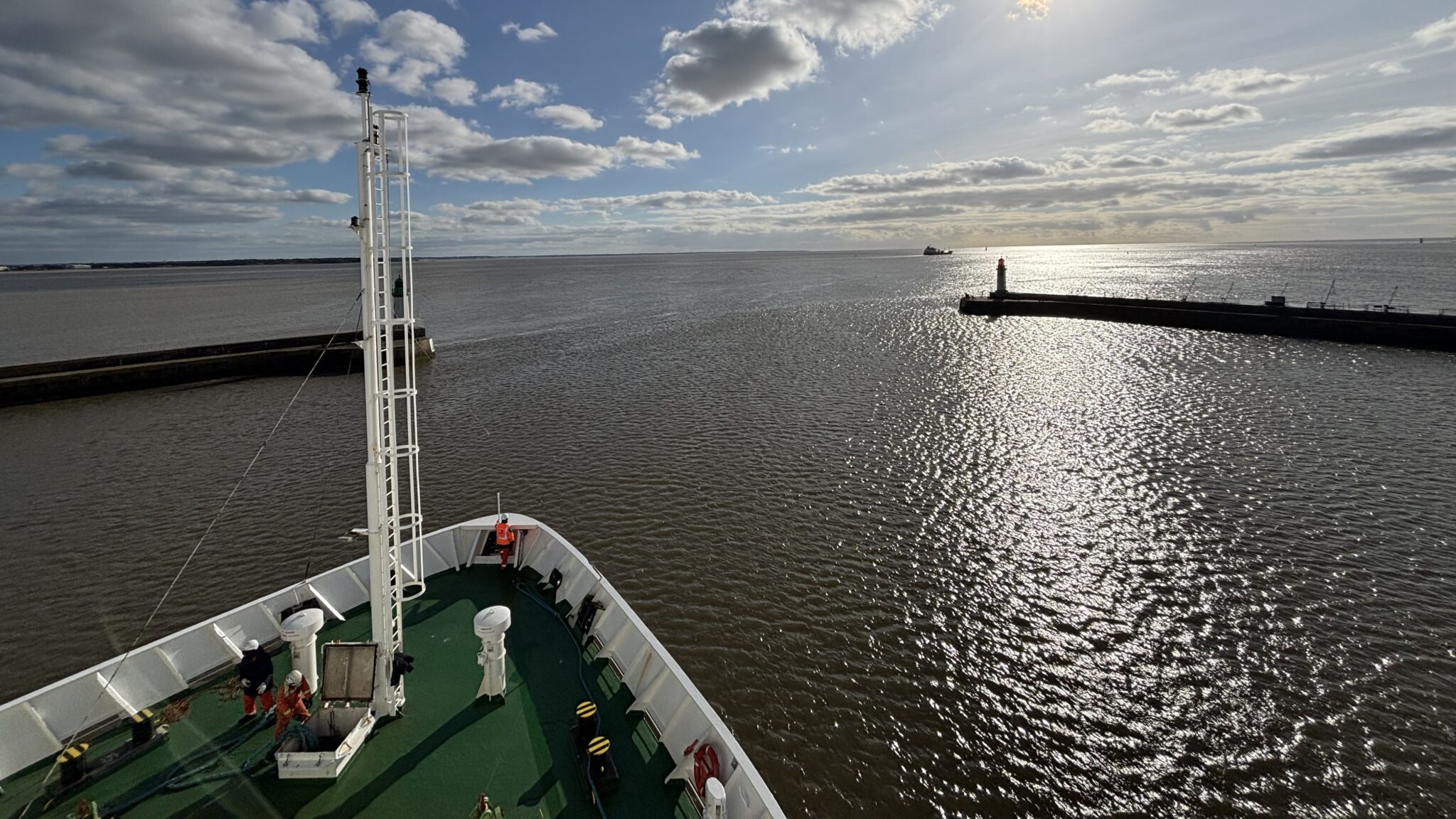
Above: Smile leaving the Port of Saint-Nazaire in France after departing Amserdam, having picked up the upper stage of the Vega-C rocket that will carry it to space.
Courtesy ESA - M. Roos
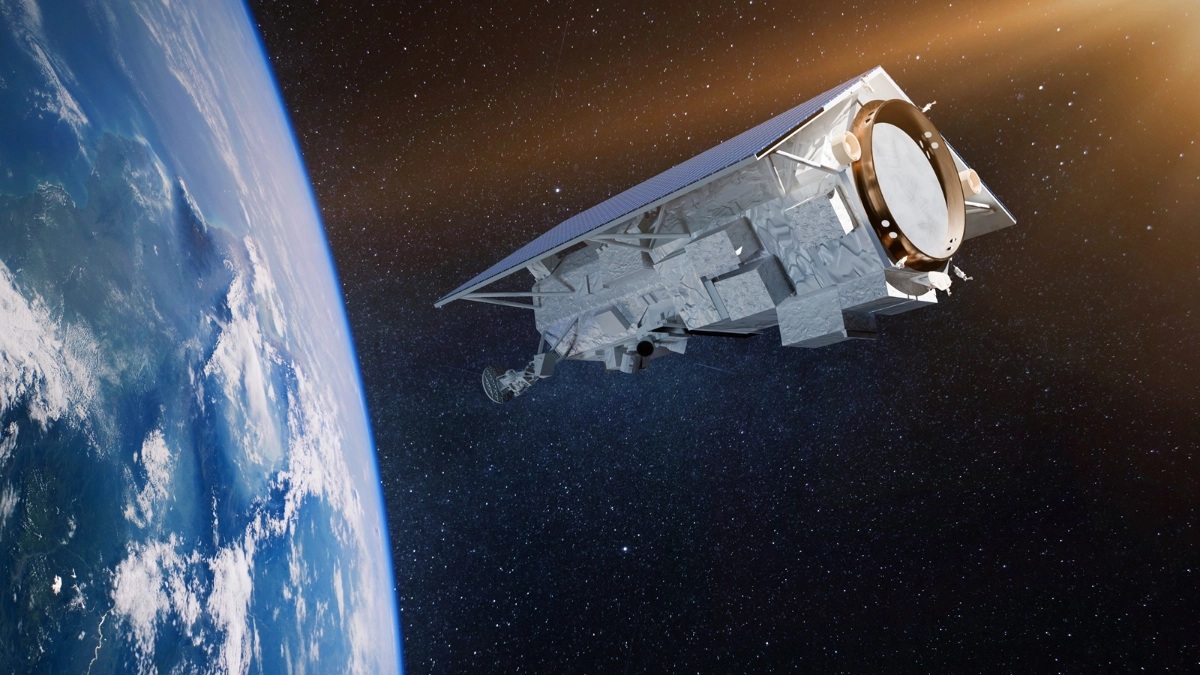
The SMILE spacecraft — the Solar wind Magnetosphere Ionosphere Link Explorer — left ESA’s technical centre in the Netherlands on 11 February, travelling by truck to the Port of Amsterdam before setting sail aboard the cargo ship Colibri. The vessel, which also transported the James Webb Space Telescope in 2021, is carrying the spacecraft across the Atlantic Ocean and is expected to arrive before the end of February.

SMILE has a launch window of 8th April to 7th May 2026, when it will lift off on a Vega-C rocket. Once in orbit, it will give scientists their first complete picture of how Earth responds to the solar wind — the streams of particles and bursts of radiation constantly emitted by the Sun.
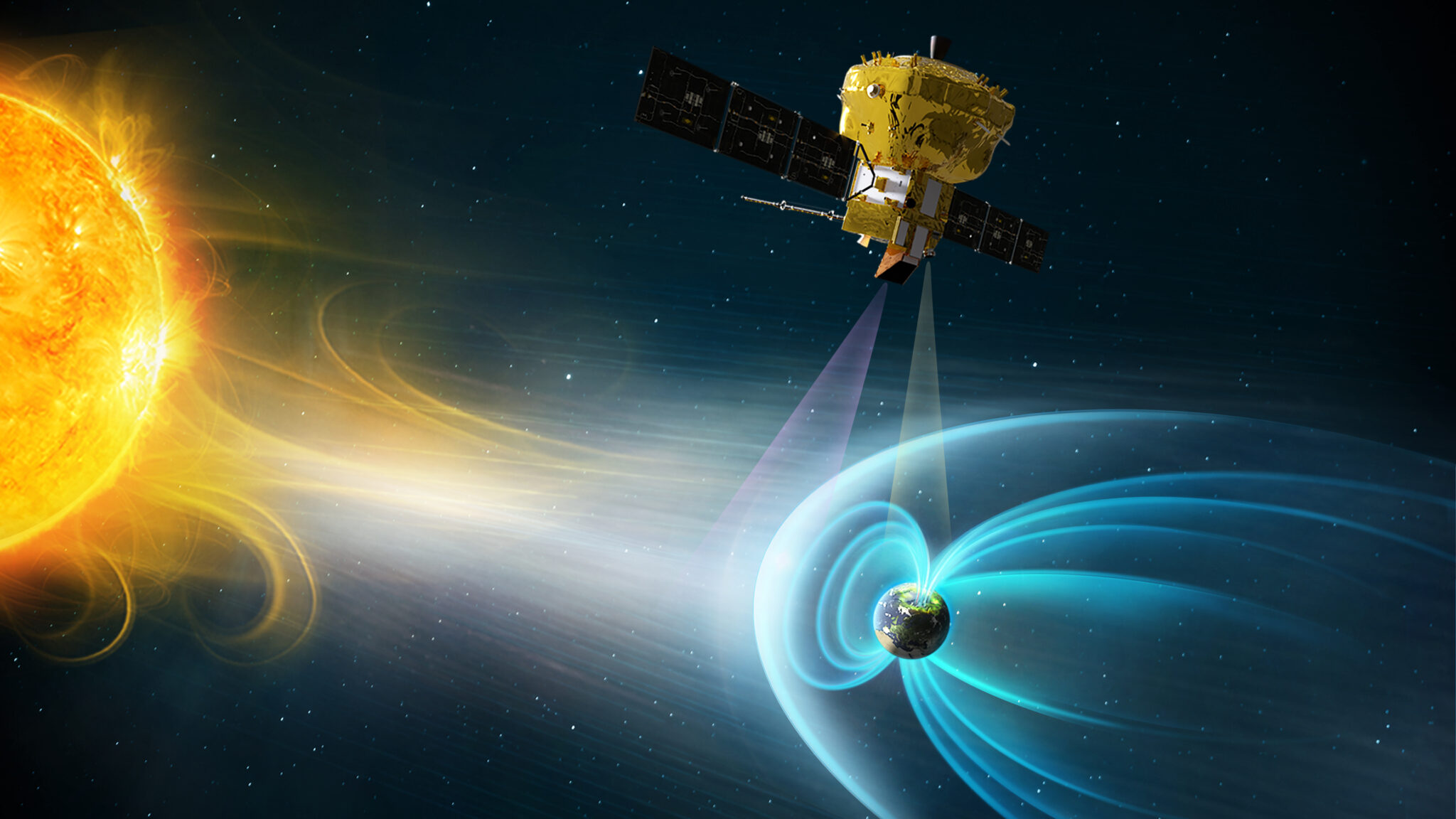
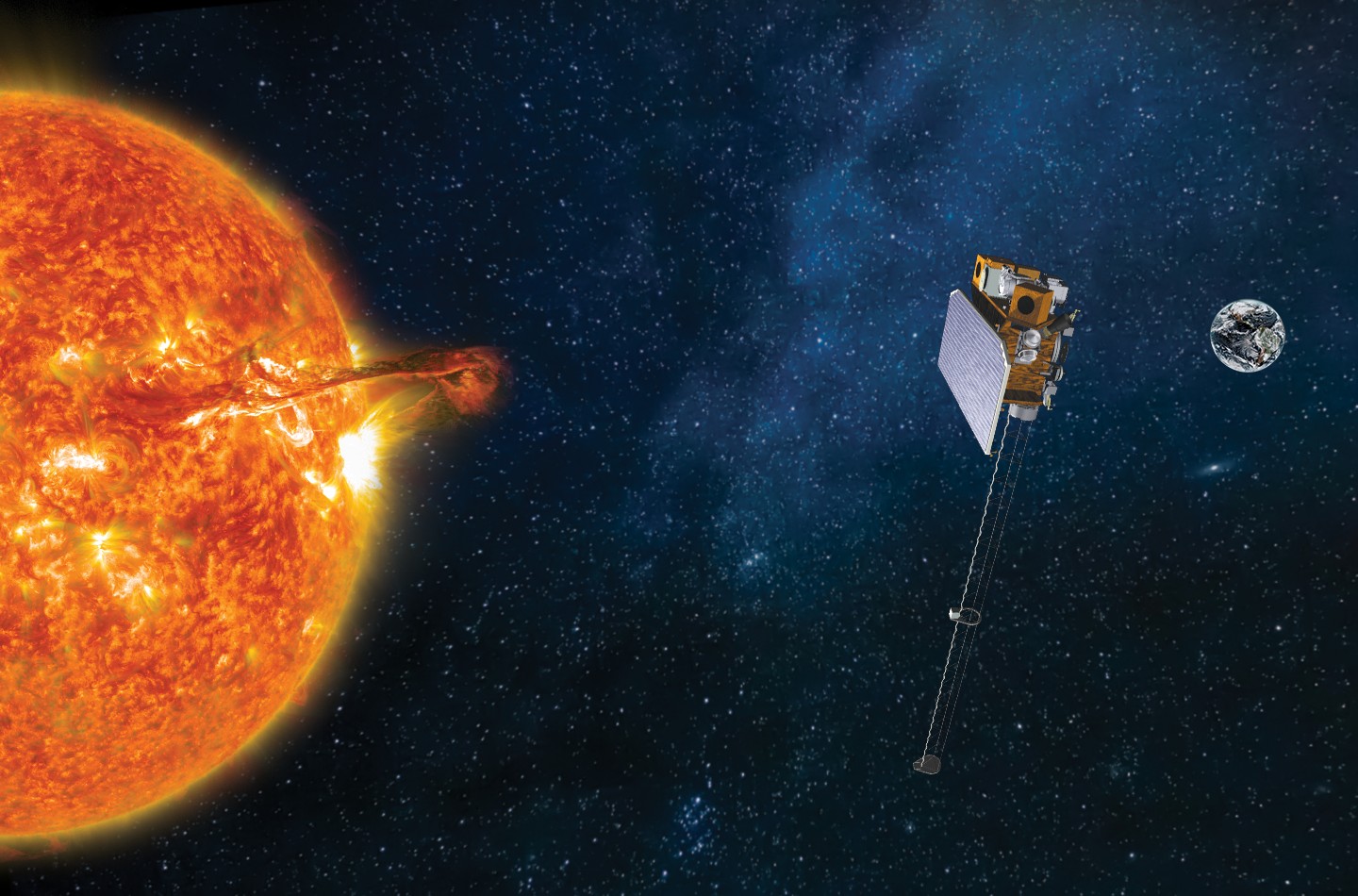
Above: Smile will reveal how Earth's magnetic field reacts to the streams of particles and bursts of energy that the Sun constantly throws in our direction.
Courtesy ESA
UK at the heart of the mission
The UK has played a central role in SMILE, with British researchers leading the soft X-ray imager (SXI) instrument — one of four scientific instruments aboard the spacecraft — and co-leading the overall mission science. UK companies Teledyne e2v and Photek Ltd have also made vital hardware contributions to the mission.
Caroline Harper, Head of Space Science at the UK Space Agency, said: “SMILE is a landmark mission for UK space science. By leading the soft X-ray imager instrument and co-leading the overall mission science, British researchers will be at the forefront of the discoveries this mission delivers, drawing on our world-leading expertise in solar physics, space plasma and planetary science. SMILE data will help improve space weather forecasting, protecting critical systems like satellite navigation, communications and power infrastructure.
“I’m also delighted to see UK companies Teledyne e2v and Photek Ltd making vital hardware contributions, demonstrating that British industry can compete and win on the global stage. As SMILE sets sail for its launch in French Guiana, the UK Space Agency is excited for what lies ahead.”
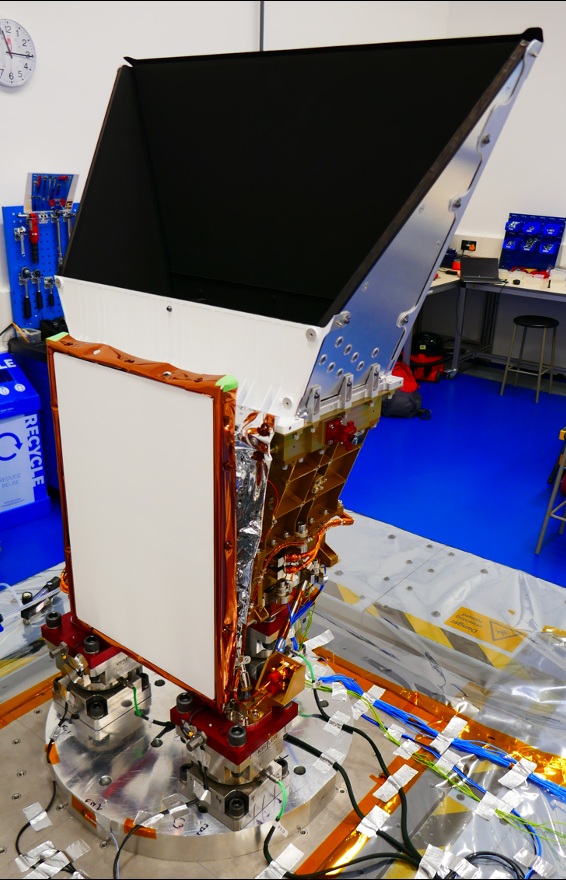
Above: The soft X-ray imager (SXI) abord Smile will map the location, shape and motion of the boundaries of Earth's magnetosphere to help us understand the interaction between the Sun and Earth.
Courtesy S. Sembay, University of Leicester
The Colibri is carrying 12 containers of spacecraft equipment and a small team of European and Chinese mission specialists. To keep the spacecraft in perfect condition during the voyage, its container is continuously flushed with nitrogen to remove oxygen, water vapour and other potential contaminants, with temperature, pressure and humidity monitored throughout.
On its way south, the ship made a stop in Saint Nazaire, France, to collect the Vega-C upper stage that will carry SMILE into orbit — meaning the rocket and spacecraft will make the final leg of the sea journey together.
Once the ship docks in Kourou, engineers from both Europe and China will begin final launch preparations, including unpacking, testing, fuelling, and mating the spacecraft to its rocket.
David Agnolon, ESA Project Manager for SMILE, said: “Everybody has done a fantastic job to make this happen, whether it’s the truck drivers, the boat crew or the crew that was involved in preparing the logistics. For legal matters, insurance matters, driving on the Dutch roads, crossing the Atlantic – it’s many, many tens of people involved in this process, with ESA overall responsible for this part of the mission, but our Chinese colleagues closely involved. Two more months and we’re in space — every little step counts.”
SMILE is a joint mission between the European Space Agency (ESA) and the Chinese Academy of Sciences (CAS). It will use four science instruments — including ultraviolet and soft X-ray cameras, as well as particle and magnetic field detectors — to study how Earth's magnetic environment responds to the solar wind. The mission forms part of ESA’s Cosmic Vision programme.