UK funding aimed at £40bn satellite communications market

Image By Harvepino / copyright Shutterstock
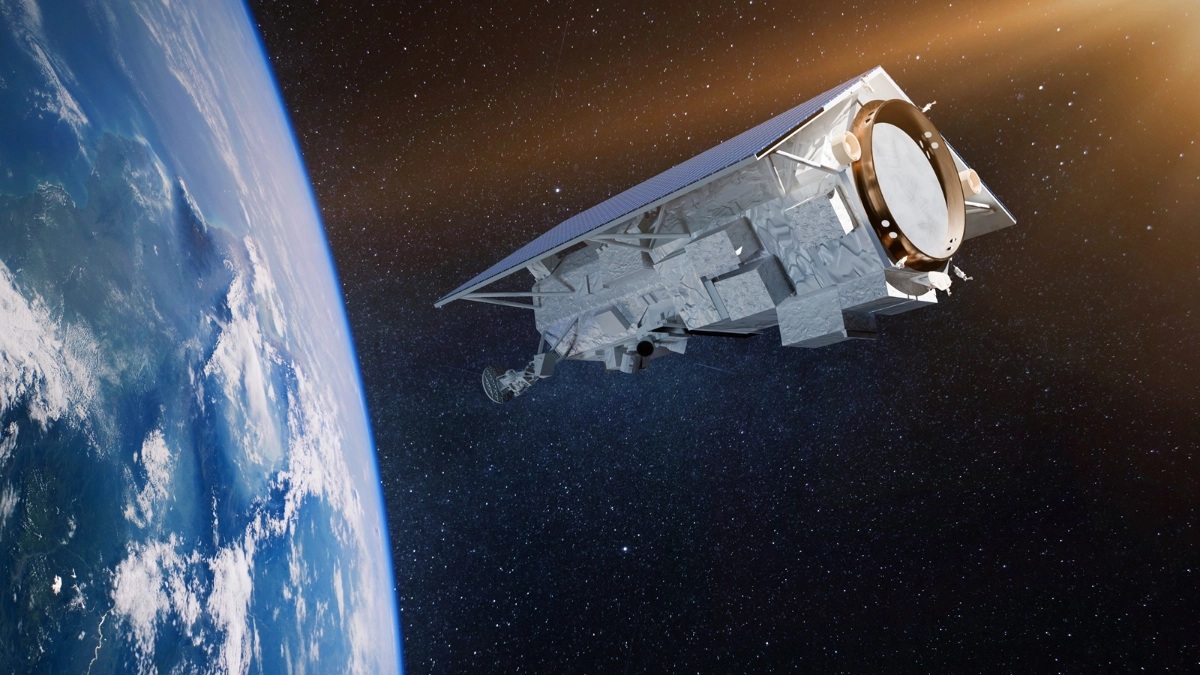
The investment, the second round of funding from the UK Space Agency’s Connectivity in Low Earth Orbit (C-LEO) programme, will help UK firms develop cutting-edge components and technologies for the satellite constellations that are transforming how the world stays connected. These vast networks of satellites, orbiting hundreds of miles above the Earth, work together to deliver high-speed internet, communications and data services to every corner of the globe — from remote rural communities to ships at sea and aircraft in flight.

The government will back new projects to develop advanced technologies that are essential to the future of connectivity. With the global market currently worth around £40 billion and growing at over 10% annually, driven by demand for services such as navigation and positioning, broadband internet, weather forecasting and maritime and aviation tracking, there is a significant opportunity for UK companies to capture a greater share. These technologies are also vital for defence and national security.
Space Minister Liz Lloyd said: "Space is now the cornerstone of our modern economy. Satellite constellations have revolutionised how we operate, digitalising industries, optimising logistics and connecting all corners of the globe.
"This new funding will support the development of smarter satellites with better hardware, the use of AI to make data delivery faster and improved connections between spacecraft.
"This is part of the government’s commitment to keeping UK companies at the forefront of satellite communications, delivering economic growth and strengthening our defence and national security."
The new £30 million investment will help companies move their technologies from the testing phase to being ready for use in real missions, positioning them to win future contracts with major satellite network operators.
The programme will support the next generation of advanced satellite capabilities, meaning better services for governments and customers around the globe, enabling faster processing of information, lower latency and greater assurance for where UK data lands and is held, and positioning the UK supply chain at the heart of this step change in space-based capability.
The announcement comes as more than 5,000 people descend on one of Europe’s biggest space industry events – Space-Comm Expo – at ExCeL London over the next two days.
The government will use the event to set out a new vision for the UK as a competitive, agile space power. Space Minister Liz Lloyd will speak at the event and set out where key elements of the UK Space Agency budget will be directed, as delivering on this vision requires a more focused approach, with satellite communications identified as one of four areas that are fundamental to the UK’s ability to operate in and benefit from space, now and into the future.
Connectivity in Low Earth Orbit (C-LEO)
The first C-LEO funding call supported three projects with £18 million in funding. These projects involved eight UK companies and have created 26 specialist jobs in the UK so far. The projects have been running for a year and will continue for another two years, developing user terminals, active antennas and on-board regenerative processors.
Bethan Evans, Chief Operating Officer at Excelerate Technology, one of the companies that received funding from the first C-LEO call, said: "Support from the C-LEO programme has played a pivotal role in accelerating the MAMUT programme toward full market readiness. The funding has enabled us to enhance the scalability, resilience and commercial viability of our solution, ensuring it will meet the evolving needs of customers. Just as importantly, the collaborative framework of the programme has strengthened partnerships across the ecosystem, enabling shared expertise, integration opportunities and greater alignment with end-user requirements.
"As a result, we have accelerated product development, strengthened our market position and advanced our pathway to revenue growth and wider operational deployment."
Paul Morris, Vice President of RF & Comms Business Unit at EnSilica, said: "The C-LEO funding has been transformative for our development of chipsets for LEO user terminals, spanning analogue, digital and hybrid beamforming alongside a software-defined modem optimised for 5G NTN. This support has helped us win contracts with key customers who have validated our specifications, while also allowing us to grow our team and deepen our technical expertise. It’s a strong example of how targeted public funding can accelerate innovation and strengthen a commercial business case — and we’re grateful for the close collaboration with UK Space Agency throughout."
UK Space Agency CEO Dr Paul Bate said: "UK companies are developing world-class satellite communications technologies, from advanced antennas to optical links that can transmit data between satellites at the speed of light.
"Our first C-LEO funding round is delivering real results, and this second call will help even more businesses take their innovations from prototype to product, ready to be integrated into the constellations of tomorrow."
The funding call opened yesterday and companies can apply via the UK Space Agency website.