UK–India trade mission puts aviation and advanced technology at heart of £1bn package


The UK is seeking to strengthen its aviation, advanced communications and technology links with India through a trade package worth more than £1 billion.
This includes a semiconductor partnership offering potential exports of over £100 million and new investments in artificial intelligence, quantum computing and digital infrastructure.
The package – announced on 12 October as UK ministers, regional leaders and more than 100 businesses travelled to Delhi and Mumbai – also highlights major aviation services agreements and engineering projects, alongside technology partnerships that could support closer cooperation in strategically important sectors.
The mission comes three months after the UK–India Free Trade Agreement entered into force, with the government seeking to turn closer economic ties into commercial contracts, investment and skilled jobs.
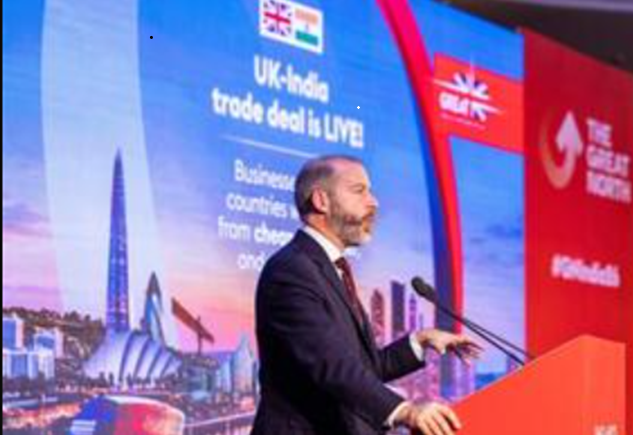
Business Secretary Jonathan Reynolds, who is leading the visit alongside northern mayors and other ministers, said the agreement was beginning to deliver commercial opportunities for UK businesses.
“Our trade deal with India opened the door, and now regional businesses are walking through it with our northern Mayors leading the way in building partnerships to drive jobs, investment and growth back home.
“This billion pound trade mission will deepen ties with one of the world’s fastest-growing economies to bring opportunity to every postcode,” Reynolds said.
Semiconductor partnership opens £100m export opportunity
Among the technology agreements highlighted is a strategic partnership signed by UK company RANsemi Limited to expand the use of British-developed 5G Open RAN semiconductor technology in India.

The government estimates the partnership could generate more than £100 million in exports over the next five years, strengthening cooperation in advanced communications infrastructure.
Open RAN technology allows mobile network operators to use equipment and software from different suppliers rather than relying on proprietary systems from a single manufacturer. The approach is relevant to efforts to improve network flexibility, resilience and supplier diversity.
These capabilities also have potential applications in security-sensitive communications environments, although the government announcement does not identify a defence customer or military programme associated with RANsemi’s agreement.
The Indian partner has not been named, and the announcement does not specify which semiconductor products or systems will be supplied.
Another agreement involves UK cloud infrastructure company Civo, which has signed an exclusive partnership with Indian technology distributor Redington.
The arrangement combines Civo’s £15.5 million sovereign, AI-ready cloud platform with Redington’s distribution network to offer Indian businesses an alternative to major global cloud providers.
According to the government, the platform is intended to comply with India’s Digital Personal Data Protection requirements, an increasingly important consideration for organisations handling sensitive information.
UK attracts £50m investment in AI and quantum technology
The trade mission is also highlighting new Indian-linked investment in UK technology capabilities.
Meta for Data Technologies plans to invest £50 million in the UK, creating 500 highly skilled jobs in London and Manchester.
The investment will support a new AI and data research centre, an engineering and AI hub, and a quantum computing laboratory in Greater Manchester.
The planned facilities would add to the UK’s research and engineering capacity in technologies with applications across commercial industry, critical infrastructure and potentially defence.
Meanwhile, UK technology company Oriole Networks is investing nearly £5 million to expand its Indian operations following the launch of an engineering centre in Bengaluru.
The expansion will support the development of energy-efficient networking solutions for large-scale AI infrastructure, where rising computing demands are increasing the importance of power efficiency and high-speed data transmission.
The government is also highlighting the role of smaller technology companies in expanding UK exports, including London-based AI businesses entering the Indian market.
Menzies aviation agreement expected to generate £600m
Aviation accounts for the largest individual projected export revenue figure in the government’s latest package.
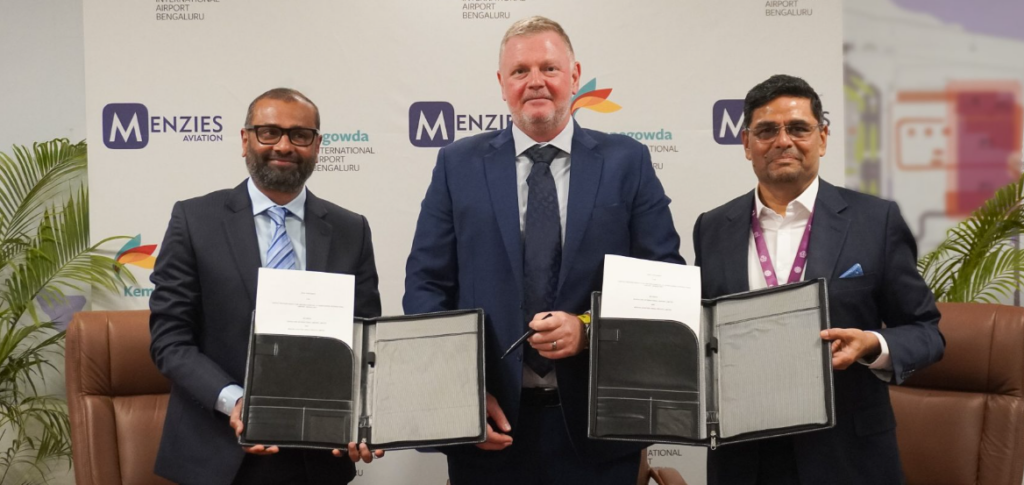
UK aviation services provider Menzies Aviation expects to generate more than £600 million over 15 years from its ground handling licence at Kempegowda International Airport in Bengaluru.
The government said the programme is backed by £6 million in investment and includes exclusive rights to bridge-mounted equipment, which supports aircraft servicing at terminal stands.
Menzies is expanding its presence at Bengaluru, where it also has cargo handling activities, into a broader range of ground services.
More than 1,000 jobs are associated with the company’s expanding aviation services footprint in India.
The agreement illustrates the opportunities for UK aviation service providers as Indian airports expand their capacity to accommodate growing passenger and cargo traffic.
UK engineering companies expand Indian operations
Engineering consultancy Buro Happold is targeting £90 million in revenue from Indian projects as it scales up its operations in the country.
The Bath-based company plans to invest £3 million in India and create more than 500 jobs over three years.
Its work spans projects involving government organisations, airports and property developers, providing another avenue for UK engineering expertise to support India’s infrastructure development.
Arup has also secured a £1.4 million design review contract for the Mumbai Metro and is targeting a further £7 million pipeline of work.
The contract is expected to support 22 jobs across the UK and India.
These projects form part of a broader expansion of UK engineering and technical services into India, where major infrastructure programmes are creating demand for specialist design, project management and consultancy capabilities.
Trade mission seeks deeper technology cooperation
The commercial announcements come alongside efforts to strengthen government-level cooperation in science, technology and innovation.
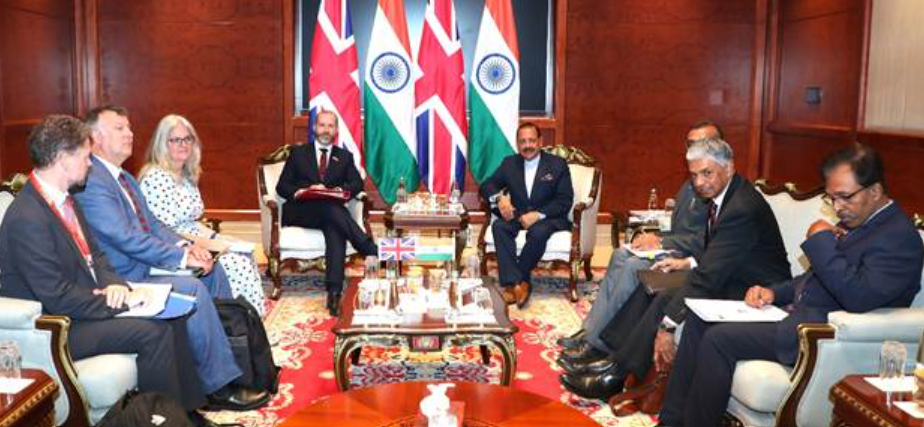
During the visit, Reynolds is scheduled to meet Indian Commerce Minister Piyush Goyal to co-chair the UK–India Joint Economic and Trade Committee.
He will also co-chair the UK–India Science and Innovation Council with Indian Science and Technology Minister Jitendra Singh.
The meetings provide a framework for further collaboration in emerging technologies, although the trade mission announcement itself does not identify new defence contracts.
The UK government said agreements worth nearly £12 billion have been struck since the signing of the free trade agreement in July 2025.
Total bilateral trade reached £48 billion in the 12 months to March 2026, an increase of £3 billion from the previous year in current prices.
The government estimates that the free trade agreement could increase annual bilateral trade by £25.5 billion in the long term.
Sign up for our newsletter and get our latest content in your inbox.
Similar Reads




Sign up for our newsletter. Select all sectors relevant to you.
Related